 by
by Lexus Prepares a Full Electric Replacement for the IS
The recent facelift of the Lexus IS updated the exterior and interior, but this is only a temporary measure. Behind the scenes, work is already underway on a full-fledged successor, which, according to Japanese sources, will debut in 2027 and become an exclusively electric model.
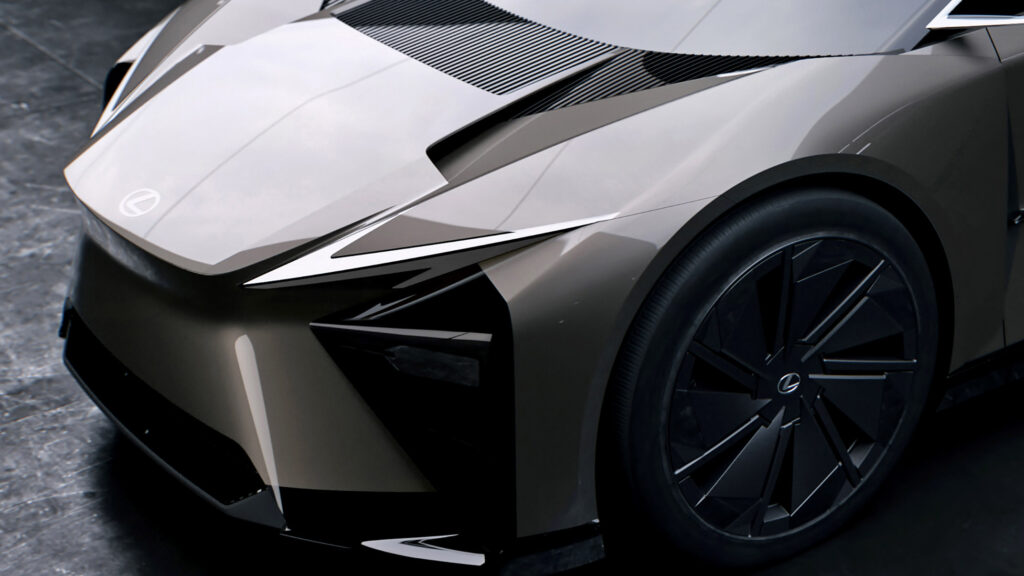
Talks about an electric IS began back in 2021 with the Electrified Sedan concept. A clearer vision of the future was provided by the 2023 LF-ZC concept, which promised an aerodynamic shape, the use of gigacasting in production, and new batteries to double the driving range.
Despite the fact that enthusiasm for electric sedans has cooled in some markets, and buyers are returning to hybrids, Toyota is adhering to its multi-pathway strategy.
Competition with German Brands
According to reports, the next Lexus IS will completely abandon internal combustion engines, becoming a dedicated electric vehicle. It is expected to be a direct competitor to the future BMW i3 Neue Klasse, Audi A4 e-tron, and Mercedes-Benz C-Class EQ, which are also planned for 2027.
The production IS is expected to inherit many features of the LF-ZC concept, receiving a low silhouette focused on aerodynamics instead of classic sedan proportions. Its length will be about 4790 mm, making it more compact than the current Lexus ES.
Technology and Design of the Future
Gigacasting is expected to be used in production, and the interior will be filled with advanced communication and safety systems. Digital artist Theophilus Chin has already created renders of the future IS, combining features of the larger ES with the proportions of the 2021 concept. However, Toyota will give Lexus more creative freedom, so the final car may look much bolder.
Powerful Electric Platform
The new model is expected to receive a powerful electric platform. The lineup will start with a rear-wheel-drive version with a single motor, and the top variant will be an all-wheel-drive modification with two motors producing about 500 hp. A steer-by-wire system and a specially tuned chassis are also likely.
The most interesting is the potential of solid-state battery technology, which could allow the driving range to exceed 620 miles (1000 km).
If this figure proves to be real, it will make hybrid alternatives less attractive and give Lexus a significant advantage in the premium compact electric vehicle segment. With an expected launch at the end of 2027, the development of the new IS must already be at advanced stages, so Lexus may start revealing details soon.
The transition to a fully electric architecture for such a key model as the IS is a bold step for Lexus, especially in the context of the overall cooling of the electric sedan market. The success of this car will depend not only on technical characteristics such as incredible range, but also on Lexus’s ability to convey the driving feel and quality for which the brand is valued. Competition with the new generation of German electric vehicles will be fierce, and 2027 promises to be a real turning point for the premium segment.