


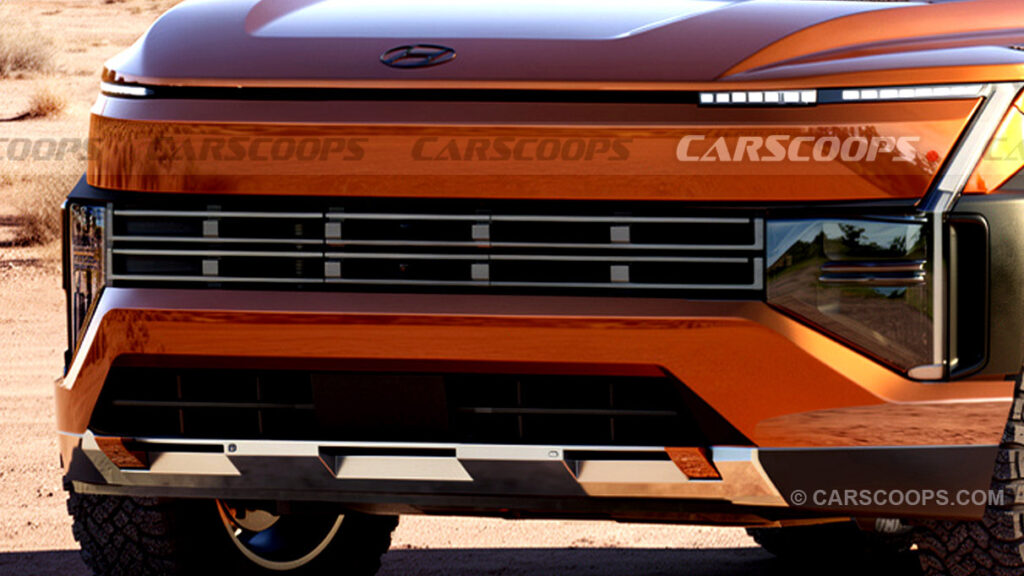
Hyundai is preparing a large-scale update of its popular Tucson compact crossover. The new model, which received the internal designation NX5, will radically change its appearance and technical content to compete with market leaders such as the Toyota RAV4 and Honda CR-V.
Main expected innovations:
Radical Design Change
The next generation Tucson will sharply depart from the sporty lines and sharp edges of the current model in favor of a more square and rugged appearance. The design, known as “Steel Art,” will emphasize rigid lines, pixel lighting, and an overall rectangular presence.
At the front, the car will receive pixel daytime running lights that flow into the main headlight units. A hood that covers the fenders and a wide radiator grille with a geometric pattern will add an off-road, utilitarian charm.
The side profile will be emphasized by massive side sill cladding, a smooth window line, and angled wheel arches. Contrasting A-pillars and narrow vertical rear lights complete the look.
Updated Technology and Interior
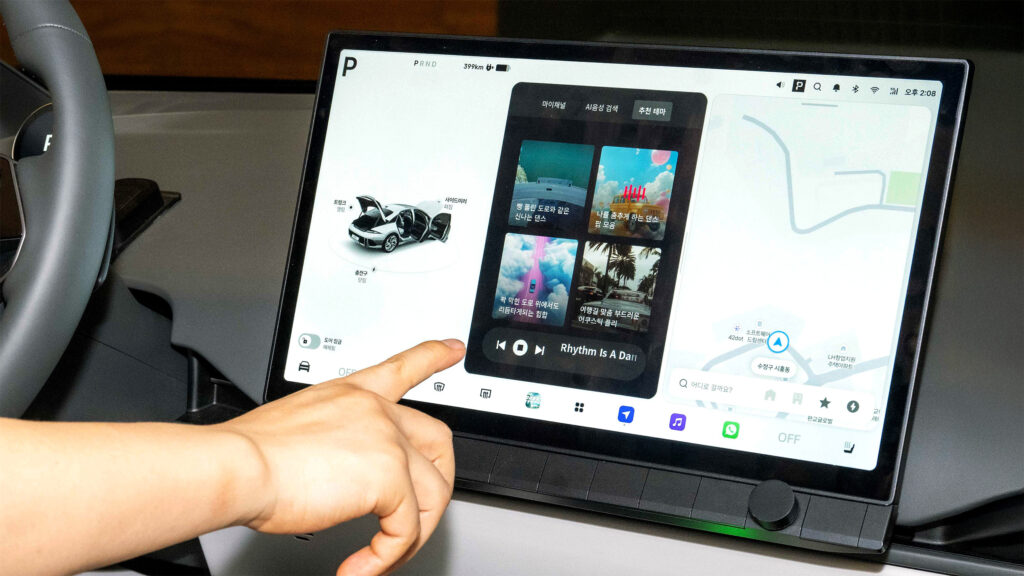

The interior will debut a new generation of the Pleos Connect operating system based on Android Automotive. The system will receive a large touchscreen similar to Tesla’s and an AI voice assistant for controlling navigation, multimedia, and vehicle settings.
The new Tucson may borrow some ideas from the concept, but its interior will not be as futuristic.
The interior design will echo the angled theme of the exterior. A diagonal line will appear on the door cards, and vertical decorative inserts will be on the dashboard. A balanced mix of physical buttons and digital controls is expected. The gear selector will likely move from the center console to the steering column, freeing up space between the front seats.
New Powertrain Range: Hybrids Instead of Diesels
Prototype of the new generation 2027 Hyundai Tucson during testing.
Hyundai is finally abandoning diesel engines in the Tucson in favor of hybrid and plug-in hybrid powertrains. The lineup will include hybrids with a 2.0-liter engine and a plug-in hybrid with a 1.6-liter engine.
The plug-in hybrid version is expected to be able to travel about 100 kilometers (62 miles) on electric power alone. There are also rumors that sporty versions, even under the N brand, may appear later in the model’s life cycle to compete with the Toyota RAV4 GR Sport.
Competitors and Release Timeline
The current fourth generation Hyundai Tucson has been in production since 2020.
In the market, the new Tucson will have to compete not only with the Toyota RAV4 and Honda CR-V but also with models such as the Mazda CX-5, Ford Bronco Sport, Kia Sportage, Subaru Forester, Volkswagen Tiguan, Nissan Rogue, and Chevrolet Equinox.
An official presentation is expected this year, with sales in key markets starting in early 2027. Thus, in the USA, the model could appear as either a 2027 or 2028 model year. Prices have not been announced yet, but Hyundai is expected to offer a competitive position in the segment.
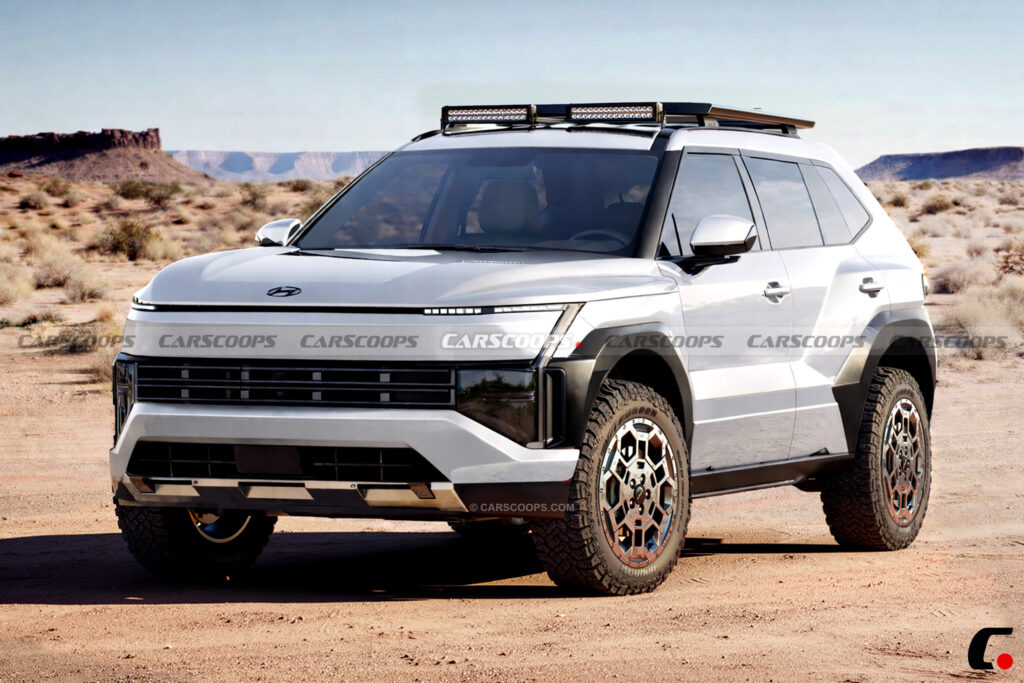

The Tucson update from Hyundai is part of the brand’s overall strategy aimed at strengthening its position in the global compact crossover market. The shift to a bolder, “square” design may be an attempt to stand out among competitors, who often adhere to more streamlined shapes. The emphasis on electrification and advanced infotainment systems aligns with general automotive industry trends. The success of this model will depend not only on design and technology but also on the final pricing policy and execution quality, as the segment is extremely competitive and buyers are demanding.