 by
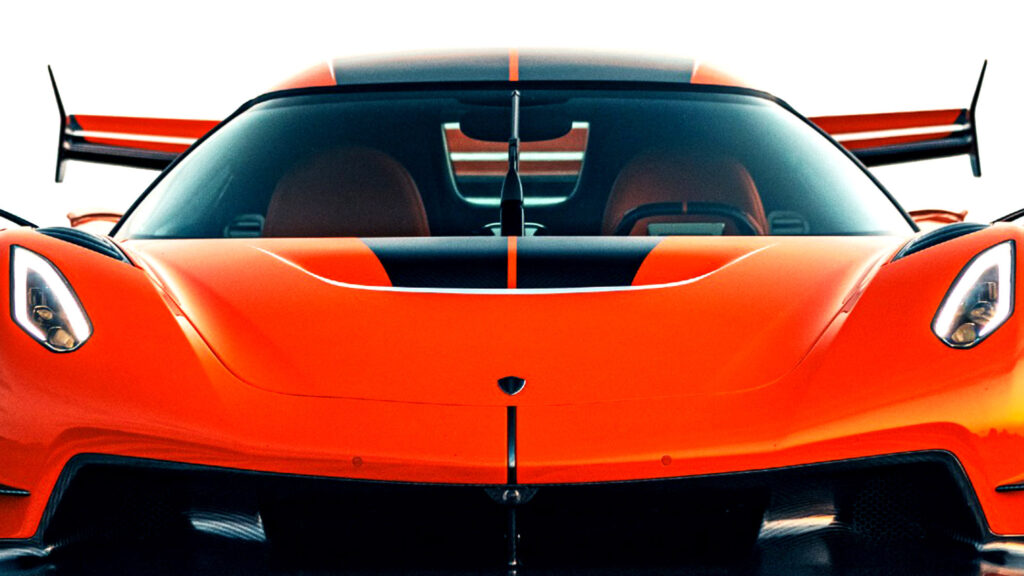
by The Swedish hypercar manufacturer Koenigsegg is considering going public. This step could become a source of funding for the company’s planned expansion.
Plans for Public Listing
If you want to own a new Koenigsegg, you’ll have to part with at least two million dollars. This means that for most people, the closest they’ll get to owning the real thing remains a scale model. However, this dynamic could change, although probably not in the way enthusiasts hope.
It turns out that the Swedish hypercar manufacturer is laying the groundwork for a stock market listing. While this won’t bring the company’s models closer to the general public, it will allow investors to own a small piece of Koenigsegg.
Bloomberg reports that Christian von Koenigsegg and his wife Halldora, the firm’s COO, converted Koenigsegg into a public limited liability company in 2025.

New Appointments and Strategy
Furthermore, Koenigsegg recently hired Johan Ekdahl as its new CFO, who previously held the same position at Volvo. Also, Volvo’s head of legal financing, Rosmarie Söderbom, is now Koenigsegg’s General Counsel. Both Ekdahl and Söderbom played key roles in Volvo’s IPO in 2021.
Business is Growing Rapidly
Since 2020, Koenigsegg has expanded rapidly, increasing its workforce from 150 to 850, partly due to growing demand for multi-million dollar hypercars. The company has over 400 car orders and has expanded its factory, hoping to produce up to 200 cars per year over the next few years. Going public would allow them to raise funds for further expansion and potentially creating more accessible models.
Finding new investors for Koenigsegg shouldn’t be difficult. However, as Bernstein Research analyst Luca Solca notes, going public might not make much sense for Koenigsegg unless it plans a sharp increase in production. By becoming a public company, it will also come under much greater scrutiny, which could create additional challenges.
The production expansion and potential IPO are taking place against the backdrop of overall growth in the exclusive car market. The success of such moves often depends on the company’s ability to maintain its elite appeal while scaling operations. The experience of other niche automakers that have gone public shows that the balance between exclusivity and investor accessibility is crucial for long-term brand value.