


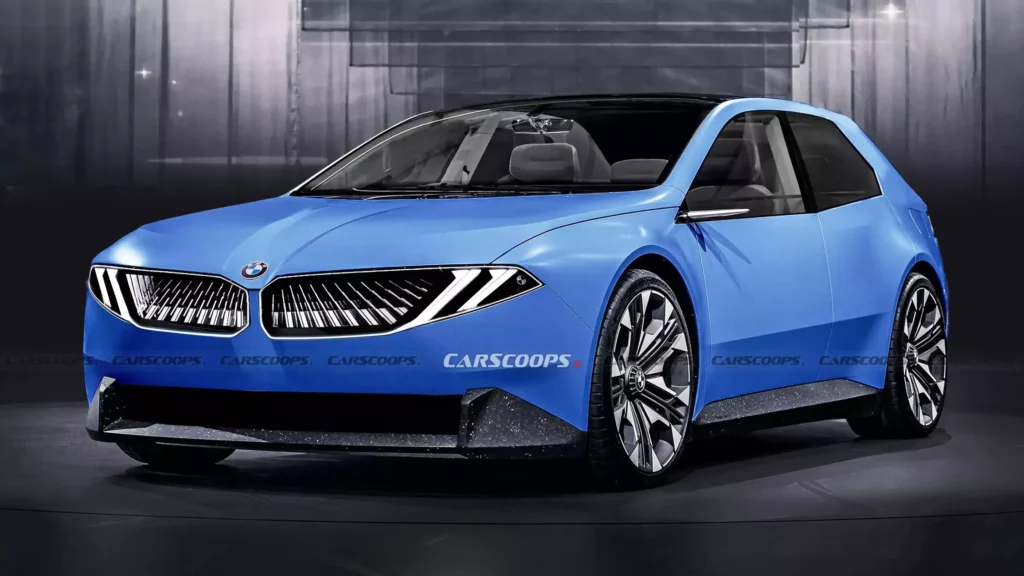
Updated BMW 1-Series: two faces of one model
BMW is in the process of a massive model lineup update, and one of the key new models will be a completely redesigned 1-Series. According to insiders, the updated hatchback will appear in 2028 and will be available with both traditional internal combustion engines and a fully electric version. The electric model will compete with the upcoming Audi A2 e-tron and Mercedes A-Class EQ. Interestingly, despite the shared name and similar design, the electric vehicle will have a completely different platform.
Design in Neue Klasse style
According to Autocar, BMW sold nearly 200,000 units of the 1-Series last year, so the company considers this model one of its “main pillars.” Accordingly, the hatchback will enter the Neue Klasse era with a fresh design that follows the new i3 and iX3 models.
Although the overall look will echo the mentioned models, designer Oliver Heilmer hinted that the new 1-Series will get its own interpretation of the company’s new design language. He suggested this could include a unique radiator grille design and surface treatment. Interestingly, the publication also suggests a possible return of the three-door version, but exclusively in an electric configuration.
Interior and technologies
Despite some distinctive exterior details, the interior will be quite recognizable, as it will feature the Panoramic iDrive system. This means we can expect a new steering wheel, a display spanning the full width of the dashboard, and a 17.9-inch infotainment system.
Powertrains: petrol, hybrid, and electric
Details about the powertrains remain hazy, but the publication claims that the current 1.5- and 2.0-liter petrol engines will be carried over to the new model, joined by a new plug-in hybrid version. The latter could combine a larger engine with a substantial battery pack, providing approximately 60 miles (97 km) of range on electric power alone. According to the report, the ICE model will continue to use the same front-wheel-drive UKL2 architecture as the current car.
As for the electric vehicle, it takes a different approach, using the rear-wheel-drive Gen6 architecture. It could borrow technology from the base version of the iX3 40, which features a rear electric motor with 316 hp (235 kW / 320 PS) and 369 lb-ft (500 Nm) of torque. There are also rumors of an M version, which could use a dual-motor all-wheel-drive system with 463 hp (345 kW / 469 PS) and 476 lb-ft (645 Nm) of torque.
While the motors will likely be borrowed from other i models, a significantly smaller battery is expected. This is due to space and cost constraints.
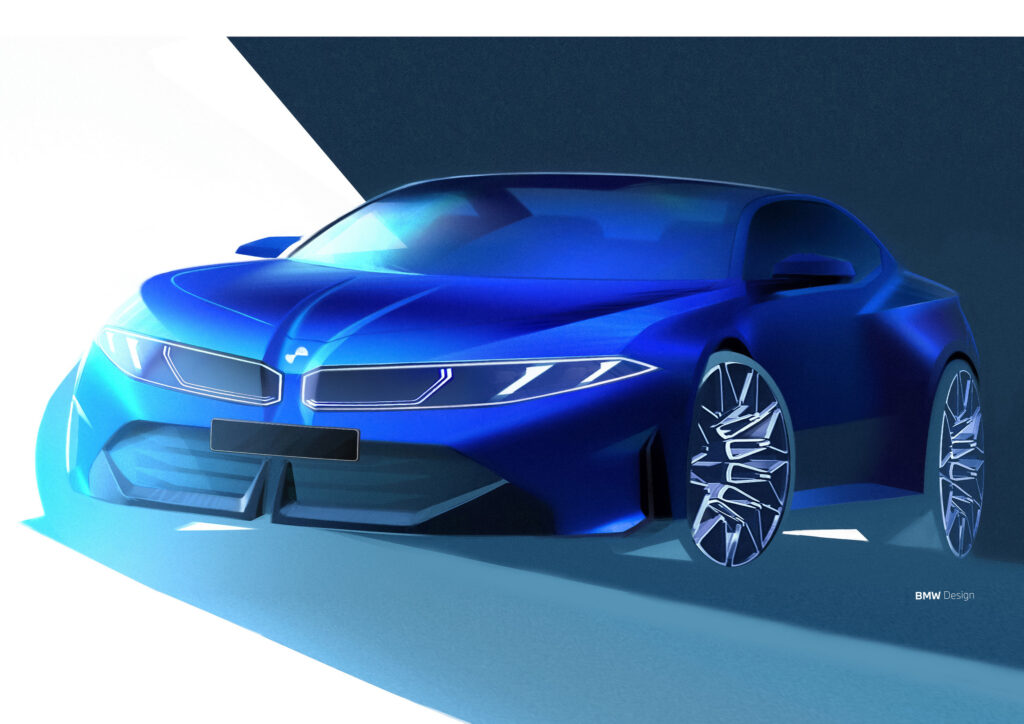

The photo shows the i3 model
Thus, the new generation of the 1-Series will be a unique example of platform flexibility: petrol versions will remain on the proven front-wheel-drive platform, while the electric version will receive a fundamentally new rear-wheel-drive architecture. This approach allows BMW to cater to different market segments without compromising on technology. It is worth noting that the emergence of a powerful M version with two electric motors could significantly change the perception of the compact hatchback, turning it into a true “hot” electric vehicle. At the same time, keeping the ICE suggests that BMW is in no rush to completely abandon traditional engines in this segment, responding to demand and infrastructure constraints in different regions.