


Anticipated Debut of the New BMW i3 and 3-Series
The long-awaited BMW i3 electric sedan will debut soon – its presentation is scheduled for March 18. It will become the second model in BMW’s new generation of electric cars, appearing shortly after the recently unveiled iX3. Soon after the fully electric i3, the world will also see the updated 3-Series, although it may not look exactly as many expect.
At first glance, one might think that the future i3 is simply an electric version of the 3-Series with a different emblem. However, BMW is choosing a different approach. Instead of making the electric car merely a light-variant version of the same car, the company is developing separate, albeit closely related, exterior designs for the two models.
The new i3 and 3-Series demonstrate the most striking separation in BMW’s history.
This approach contrasts with BMW’s larger sedans. The current i5 and i7 look almost identical to the 5-Series and 7-Series respectively, sharing most of their exterior design with the internal combustion engine versions. But there is a very good reason for that, and it is structural. Those larger models use the same platform, regardless of whether they run on gasoline or electricity. The i3 and the next 3-Series do not. Each is built on a different architecture, which is precisely why BMW is giving them separate bodies.
Differences in Design and Platforms
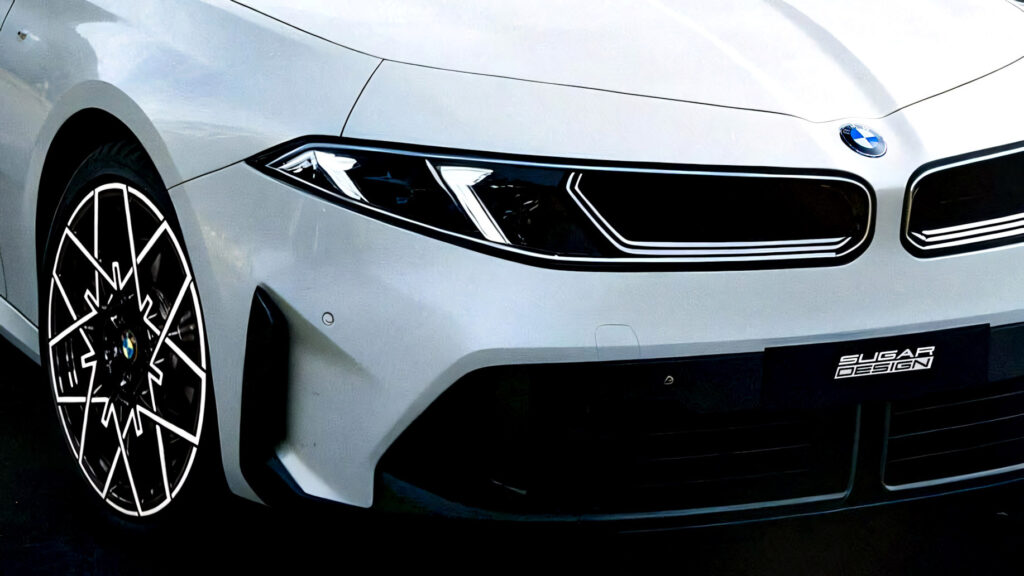
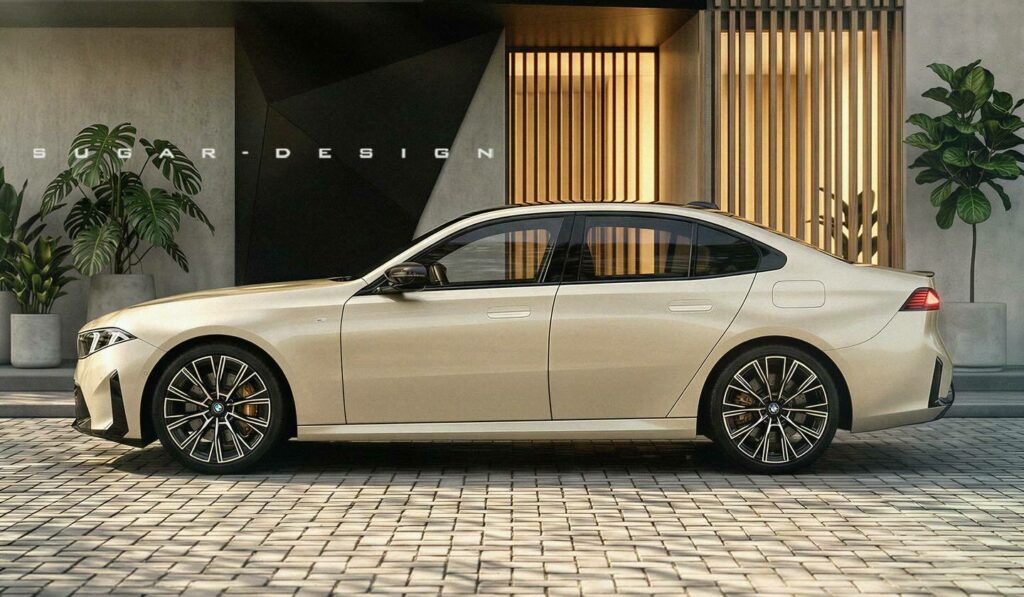
Recent spy photos have shown that the new 3-Series will have a different roofline compared to the i3, which will require individual side windows, doors, and rear panels. Some of these differences are visible in renders of the new 3-Series created by Sugar Design.
As with the i3, the regular 3-Series will have the same basic Neue Klasse-era nose, but the shape of the headlights and kidney grille may be slightly different. These renders also show the next-generation 3-Series with a new, lower bumper finished in black.
The shape of the car’s side and doors somewhat resembles the current 5-Series, devoid of some of the complex curves and lines of the existing 3-Series. On the rear of the car in these renders, there are LED taillights, a thin black spoiler, and a glossy black diffuser, giving it a sporty look without excessive details.
Technical Features and Expectations
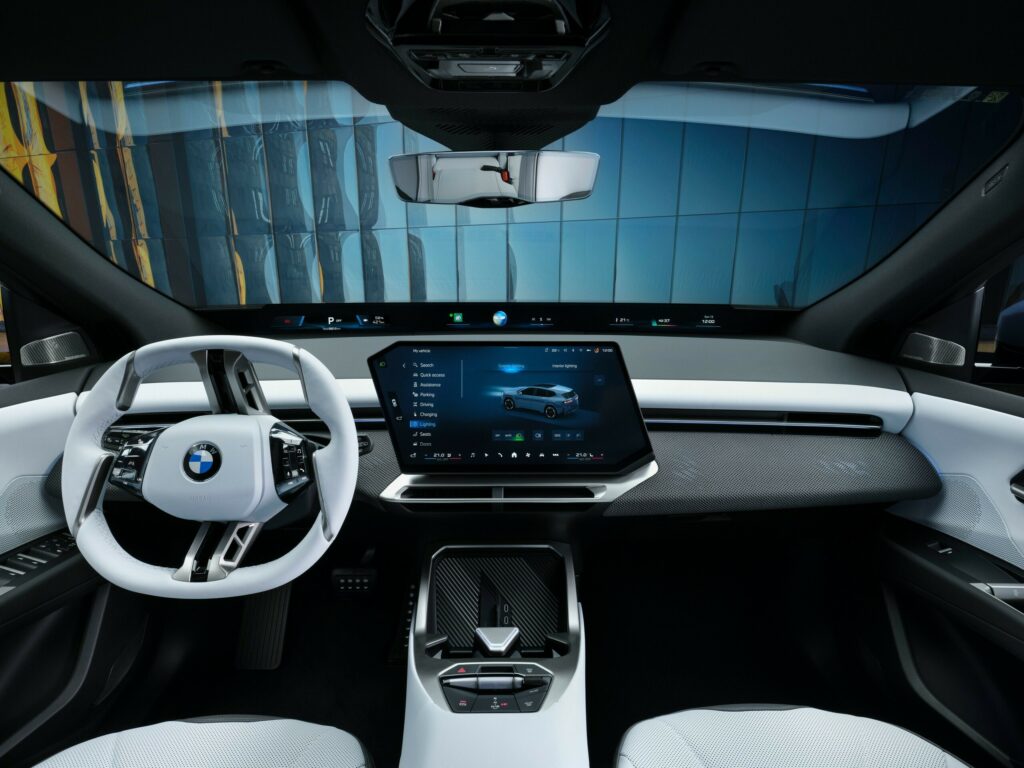

If the i3 is based on BMW’s latest electric architecture, shared with the similarly sized iX3, then the new 3-Series will use an updated version of the current CLAR platform. Despite this, the interior is expected to look very similar to the i3 and iX3, adapting the company’s latest central infotainment display and the panoramic projection iDrive display at the base of the windshield.
BMW has not yet confirmed the full engine lineup, but the formula is unlikely to change radically. Expect a mix of turbocharged four-cylinder engines and larger inline six-cylinder options, along with diesel and hybrid variants depending on the market.
Hints from the closely related X3 suggest likely mild-hybrid versions of the familiar 2.0-liter four-cylinder and 3.0-liter inline six-cylinder BMW engines. The six-cylinder unit is expected to form the basis of the next M350 (or whatever emblem BMW ultimately chooses) with moderate increases in both efficiency and power.

The M3 will appear later in the model’s life cycle. Unlike the latest M5, it is expected to forgo a heavy plug-in hybrid system in favor of a lighter mild-hybrid setup. This should allow it to surpass today’s figures of 473 hp, 503 hp, and 523 hp for the standard model, Competition, and Competition xDrive, with special editions almost certainly appearing later.
This strategic move by BMW, separating platforms for the electric and traditional versions of a key model, indicates a deep transformation in development approach. While it may complicate production, it allows for more complete optimization of each architecture for a specific type of powertrain, which could ultimately lead to better performance and efficiency for both types of cars. The success of this strategy for a mass-market model like the 3-Series could set the tone for the entire industry, which is trying to find a balance between design heritage and the technical demands of the new electric century.