


New Opel Electric Car Could Be Co-Developed with Chinese Partner
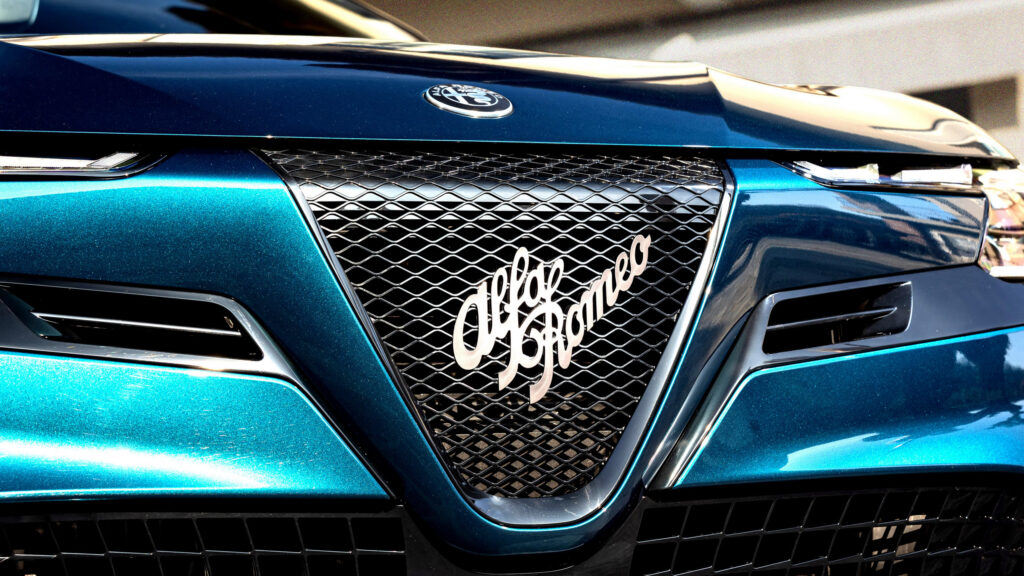
The Stellantis automotive group, facing increasing pressure to cut costs and accelerate production processes, is seeking new paths for development. According to reports, the company is considering a plan to jointly develop a new electric car for the Opel brand, and possibly for Alfa Romeo, with the Chinese company Leapmotor. A key aspect of this partnership is expected to be the use of the technological platform of the Chinese manufacturer.
This step comes against the backdrop of Stellantis adjusting its electric vehicle strategy after significant financial losses related to revising plans in this segment. The main points of the possible alliance are:
Development in China and Production in Europe
According to information from unnamed sources, a significant part of the engineering development of the new Opel car could take place in China. The role of the European brand, in this case, would focus mainly on exterior design and adapting the model for regional markets. Discussions between the companies began last year, and the deal could be finally signed in the coming weeks.
Leapmotor responded cautiously to the rumors, noting that discussions with partners, including Stellantis, are ongoing, but full-fledged platform-level cooperation is not currently planned. Instead, the company remains focused on supplying its own components.
If the plan is approved, the new Opel electric SUV is to be assembled at the Stellantis plant in Zaragoza (Spain). Starting this year, the same plant will begin production of the Leapmotor B10 model for the European market. Production of the new Opel is expected to begin in 2028 with a target volume of about 50,000 units per year.
Plans for Alfa Romeo and Small Models
The partnership between Stellantis and Leapmotor could extend beyond just one Opel model. It is reported that preliminary discussions are underway regarding the application of the Chinese company’s technologies for smaller A-segment cars, which would likely require separate production lines.
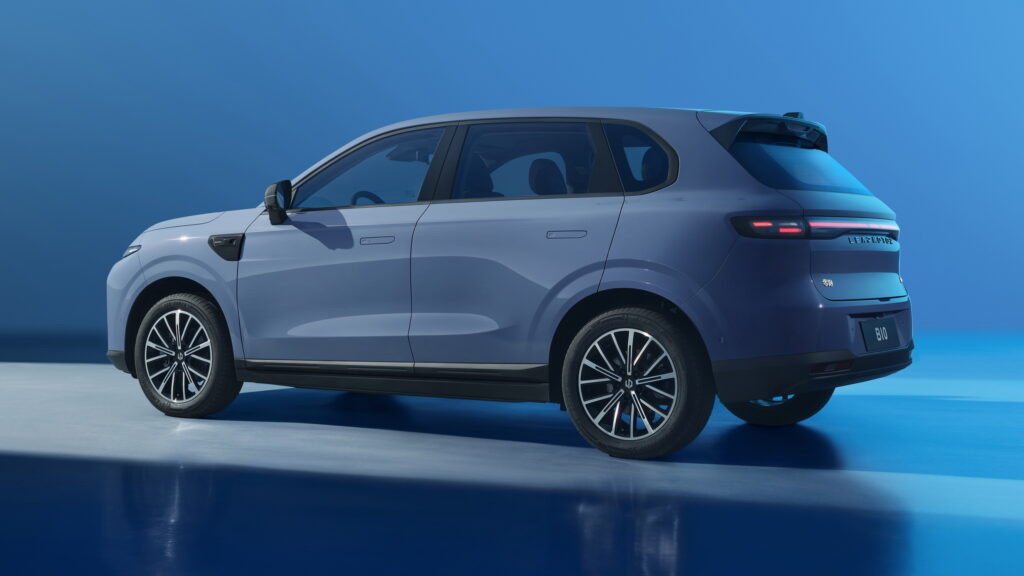

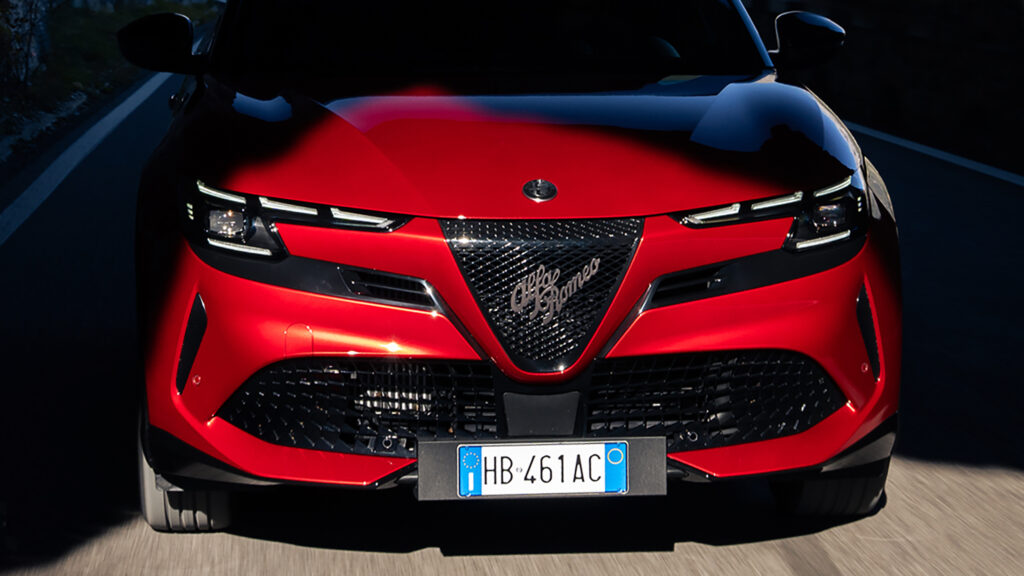
The same report indicates the possibility of creating an Alfa Romeo model based on the B10 architecture, which could also be produced at the Spanish plant in Zaragoza. This points to the strategic nature of the collaboration, aimed at integrating Chinese technologies into various brands of the European conglomerate.

This potential alliance clearly illustrates a paradigm shift in global automotive manufacturing. Traditional European manufacturers are increasingly turning to technological solutions from Asia to compete in the fast-growing electric vehicle market. The success of such partnerships could significantly impact the balance of power in the industry, where technological advantage often becomes a decisive factor. For consumers, this could mean the emergence of new models that combine European design with advanced and, possibly, more affordable electric technologies.