



The Chinese Electric Vehicle Market on the Brink of Major Changes
Chinese electric vehicles are rapidly conquering global markets thanks to surging demand and government support. In November alone, electric car exports from China grew by 87 percent compared to the same month last year. However, even against the backdrop of such growth, problems are beginning to emerge.
The year 2026 could be decisive for China’s electric vehicle sector, with a serious restructuring expected that will affect dozens of manufacturers struggling for survival.
Sales of new cars in China may fall by 5 percent next year, which would be the largest decline since 2020. This is partly due to reduced state support and the industry’s historical overcapacity.
An Industry at a Crossroads
These are not just external assumptions. The Hong Kong-based English-language newspaper South China Morning Post reports that about 50 loss-making Chinese electric vehicle manufacturers may be forced to scale down operations or shut down entirely in 2026.
Time is running out for players whose cars cannot impress young drivers. For most loss-making electric vehicle manufacturers, next year’s results will be critical.
This opinion was expressed by Qian Kang, head of an automotive printed circuit board factory.

Policy Changes and Market Pressure
Much depends on the authorities’ future decisions. In January, Beijing is expected to decide whether to extend the 20,000 yuan (about $2,900) subsidy for trading in an old car for an electric one. Simultaneously, the current 10 percent purchase tax incentive expires at the end of this year. Starting in January, a reduced rate of 5 percent will take effect, which will remain until the full tax is reinstated in 2028.
The price war among Chinese companies has made electric vehicles affordable for millions of buyers, but at the same time, it has undermined many companies’ ability to make a profit. Combined with significant investments in research and development, and the rush of brands to create large model portfolios, it is not surprising that only a very few automakers have achieved profitability.
The fundraising boom around Chinese electric vehicle manufacturers and key auto component suppliers is already in the past. Now it will be a survival game, where profitable automakers will be the winners, and loss-making players may soon run out of funds.
This assessment was given by business angel Yin Ran.
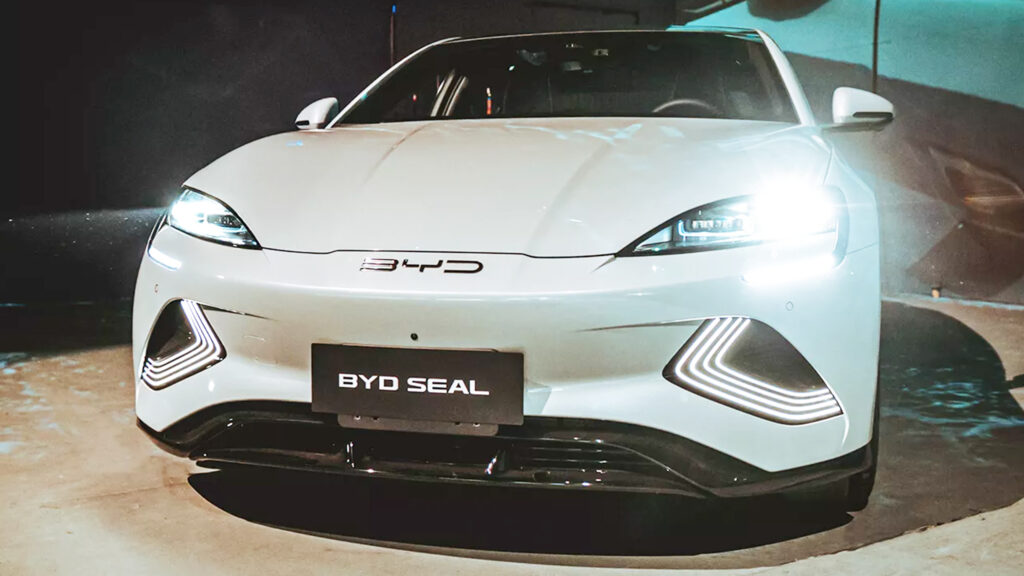
Only a few companies have withstood this storm. Profitable giants like BYD, Seres, and Li Auto are rare exceptions. These firms are expected to intensify their efforts in overseas markets in search of new growth opportunities. Research by AlixPartners shows that only about 10 percent of Chinese electric vehicle brands will be profitable in the coming years.


Leapmotor Receives Significant Investment
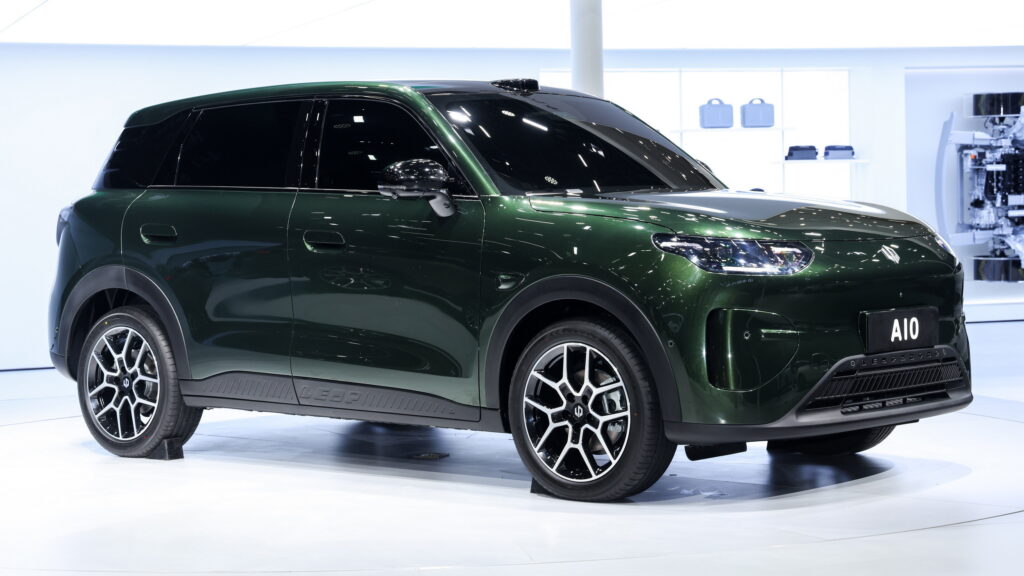
Among the few companies receiving new support is Leapmotor, backed by the Stellantis group. The state-owned FAW Group announced its intention to acquire a 5 percent stake in the Chinese automaker for 3.74 billion yuan, or $534 million. This makes Leapmotor the country’s first automaker to receive investment from a state-owned group, which will aid in its planned expansion.
Leapmotor aims to deliver 1 million cars in 2026. If it manages to reach this figure, it will become China’s third-largest electric vehicle manufacturer, trailing only BYD and Geely. In the first 11 months of 2025, Leapmotor delivered 536,132 cars.
Leapmotor strives to achieve annual deliveries of 4 million units in 10 years. We will strengthen our value through fine-tuning of production, while offering customers the best driving experiences.
This was stated in an interview by Leapmotor’s founder and CEO, Zhu Jiangming.

Against the backdrop of these events, it is becoming clear that the Chinese electric vehicle market is entering a consolidation phase. After years of intense growth and investment, economic efficiency is coming to the fore. Government support, which was a key development driver, is gradually decreasing, forcing manufacturers to rely on their own competitiveness. This could lead to the formation of a clear market hierarchy with a few leaders, such as BYD, and a serious challenge for dozens of smaller brands. Success in foreign markets is becoming not just an opportunity for growth, but a vital necessity for survival in conditions of a saturated domestic market and intensified competition.