


A new direction for the Honda Ridgeline
For more than two decades, the Honda Ridgeline has been one of the most capable pickups that many buyers refused to call a “real truck.” It received praise for its thoughtful layout, car-like handling ease, and innovative features. It is more truck than most pickup drivers need, but critics have never stopped pointing out its unibody construction and SUV roots. Now, Honda has finally shown the first glimpse of the successor, and the message could not be clearer. The new third-generation Ridgeline will look and, likely, feel much tougher.
Read more: Honda Ridgeline continues to get more expensive without getting younger
We have known for some time that a third-generation Ridgeline was in the works. Honda even stopped production of the current pickup to focus on it. This week, the company confirmed the truck will arrive within the next two years. Although the automaker refrained from discussing engines, platforms, or technologies, it constantly returned to toughness as the main theme.
Design and Engineering
The company states that the new pickup is being developed at its design studio in Southern California and engineered in Ohio before production begins in Alabama. More importantly, Honda says the next Ridgeline will have an “even tougher design,” and vice president of automobile sales Lance Woelfer added that it will evolve the current truck’s legacy, gaining an “even tougher design and capabilities.”
This wording stands out because of what Honda did not mention. There is no mention of the Ridgeline’s signature in-bed trunk, dual-action tailgate, comfortable ride, or everyday practicality. Those are the features that have defined the model since its debut. Instead, almost every significant detail is focused on making the truck look and perform tougher.

Teaser and Outlook
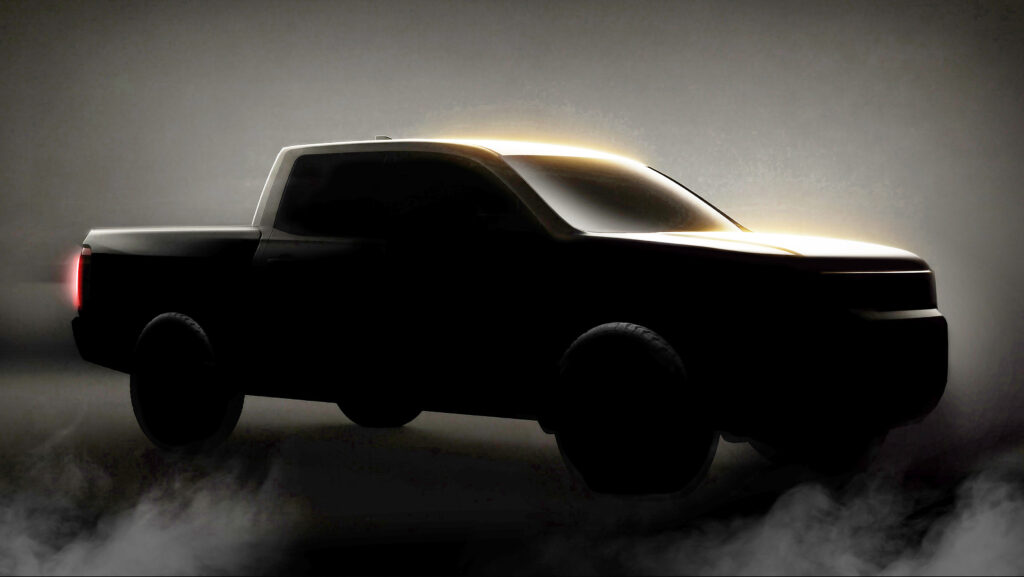
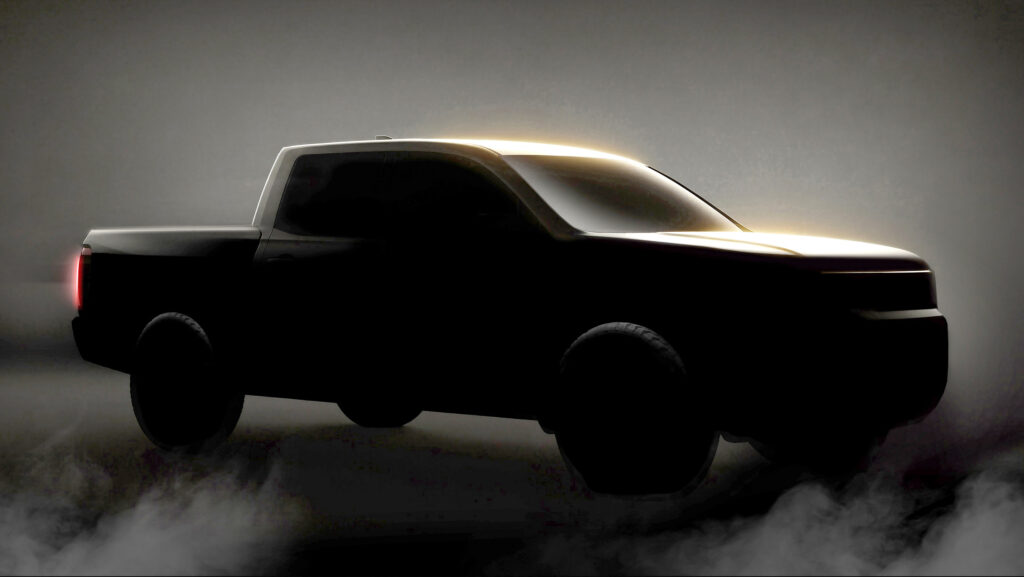
The teaser image reinforces this message. Although heavily shadowed, the silhouette shows a squarer front end, a flatter hood, a more upright windshield, and proportions that look noticeably more traditional than the current truck.
Honda refrained from discussing platforms, but a switch to a body-on-frame design would mean an entirely new architecture for a model that has had a unibody structure since 2005. A much more likely outcome is that the next Ridgeline will retain its unibody structure and simply get a tougher-looking body on top, which is exactly what the teaser silhouette suggests. What this means for the “hardware” remains to be seen, but Honda clearly wants the first impression to be about toughness, not versatility.
Again, the Ridgeline was never a bad truck. In fact, the roads might be safer if other brands followed a similar design philosophy. But perception and emotion often play a huge role in the industry. The next Ridgeline doesn’t just need to be capable; it needs to look the part from the moment buyers first see it.
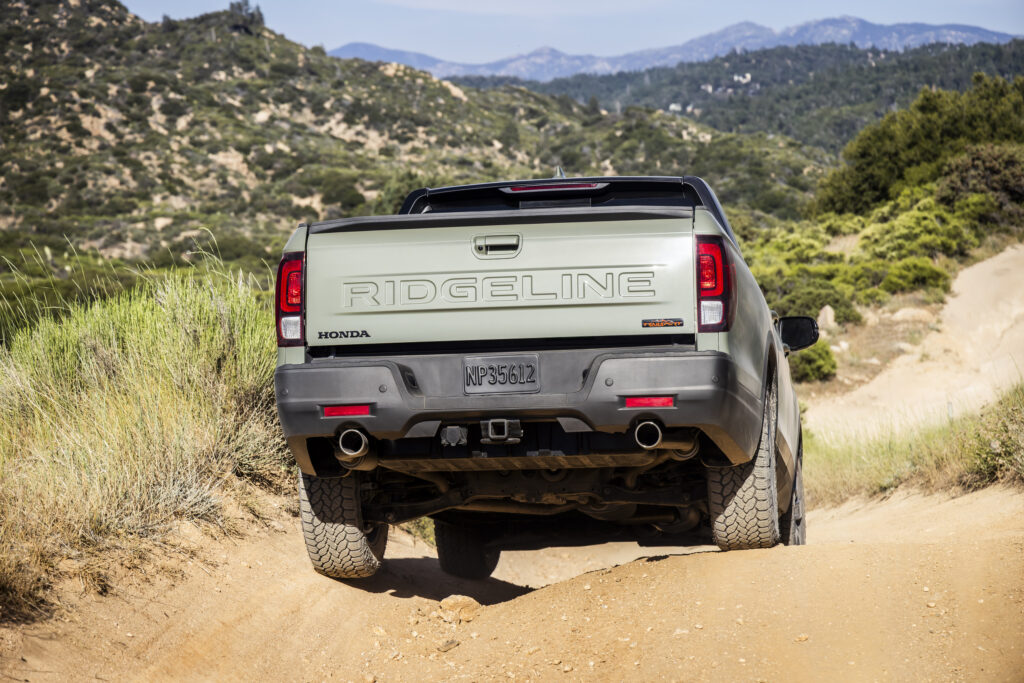

This emphasis on appearance and “toughness” could signal a strategic shift for Honda. The company seems to have decided that to succeed in the pickup market, it is not enough to be practical and innovative — it must meet buyer expectations of what a “real truck” looks like. This is a risky move, as it could alienate loyal fans who valued the Ridgeline precisely for its unique features, such as its smooth ride and in-bed trunk. At the same time, if Honda manages to combine a more aggressive design with preserving key advantages, the new Ridgeline could attract a wider audience that previously ignored the model due to its “not truck-like enough” appearance. Time will tell if the new approach can change perceptions without losing the soul of the original.