 by
by According to reports, Hyundai is working on creating the ninth generation of the Sonata sedan. The new model is expected to combine the modern Art of Steel design language with the stylistic features of the first Sonata from the 1980s. Furthermore, the model will completely abandon conventional gasoline engines in favor of hybrid powertrains.
The Future of the Sedan in the Modern World
The market for sedans in the mass segment is no longer as powerful as it once was, yet it hasn’t disappeared, and Hyundai seems intent on supporting it. Despite previous assumptions that the Sonata might be discontinued in favor of the more compact and affordable Elantra, new reports from South Korea indicate that the company is actively developing a new, already ninth generation of its midsize sedan with a long history.
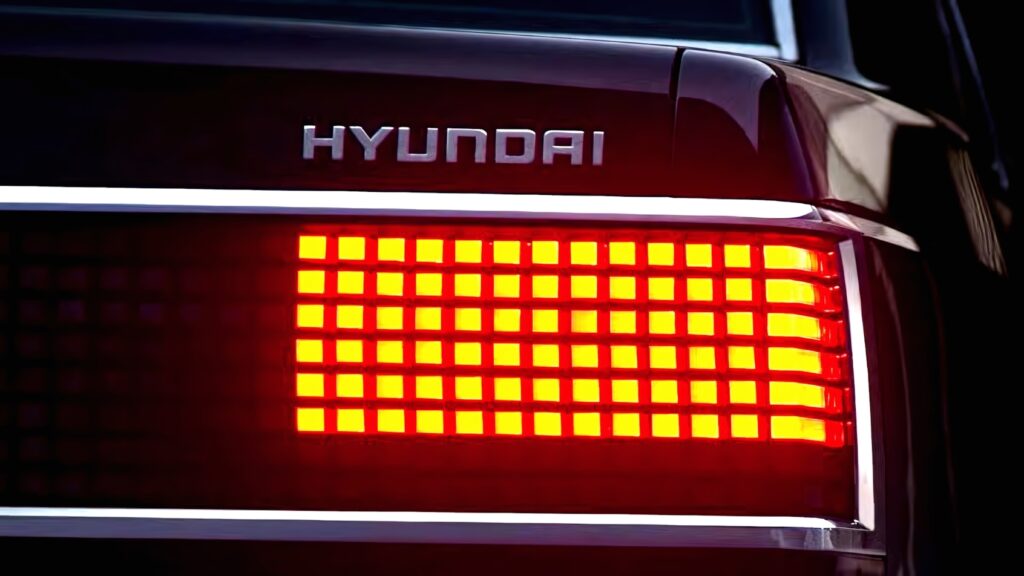
Instead of abandoning this name, Hyundai appears ready to steer it in a new direction. According to information, the next Sonata will look both to the future and the past, borrowing the “Art of Steel” design language from the future Hyundai Nexo, as well as drawing inspiration from the archives—the exterior of the first-generation Sonata from the mid-1980s.
Design: A Look to the Past for Future Success
Turning to the past could prove to be a smart move for Hyundai. The current, eighth-generation Sonata has been criticized by some for its design since its debut in 2019. Hyundai updated it in 2023, but it remains polarizing.

However, one should not expect a full-fledged retro revival. If the reports are true, the next Sonata will likely combine futuristic style with nods to the past, similar to how Hyundai did with the Ioniq 5 and the N Vision 74 concept coupe. Both cars borrowed lines from the 1970s Pony model, particularly the angular Pony Coupe designed by Giorgetto Giugiaro, without falling into full nostalgia.
In the case of the Sonata, this could result in a more square silhouette with clearer contours. Sources suggest the new-generation model might adopt the cubic geometry of the original car, updated with modern surfaces. Details such as a solid black line wrapping around the car’s exterior are being discussed—a visual signature that could help it stand out in a shrinking segment.
Changes in Powertrains
As for powertrains, reports indicate the model will abandon the conventional internal combustion engine (ICE) option and will be offered exclusively as a traditional hybrid and, in some markets, a plug-in hybrid. There is no information on whether Hyundai will develop new hybrid and PHEV systems specifically for the Sonata or borrow technology from existing models.
In any case, having a sportier option wouldn’t hurt. The current Sonata N Line with its 2.5-liter turbocharged four-cylinder engine producing 290 hp remains an exception in the midsize category for its performance. Replicating or exceeding these figures with an electrified setup could help Hyundai retain enthusiast loyalty during the lineup’s transition.
Market Challenges and Future Plans
Sales, meanwhile, continue to show negative dynamics. In the US, Sonata deliveries decreased by 12 percent compared to last year, dropping from 61,701 cars sold from January to November 2024 to 54,238 for the same period this year. November was particularly bleak: sales fell by 42 percent, to just over 4,000 cars. Hyundai hopes the next generation will give the nameplate a new lease on life.
The shift to hybrid technology is a logical step in light of global trends towards electromobility and sustainability. However, the success of the new model will depend not only on technical specifications but also on how successfully the new design, which combines heritage and innovation, is executed. For Hyundai, this is also an opportunity to solidify its position in a segment that is gradually being vacated by competitors betting exclusively on crossovers and SUVs. The market’s response to a more boxy, retro-inspired design combined with modern hybrid systems will be indicative for the future not only of the Sonata but of sedans in general within the portfolios of many manufacturers.