 by
by Course Change Due to Market Trends
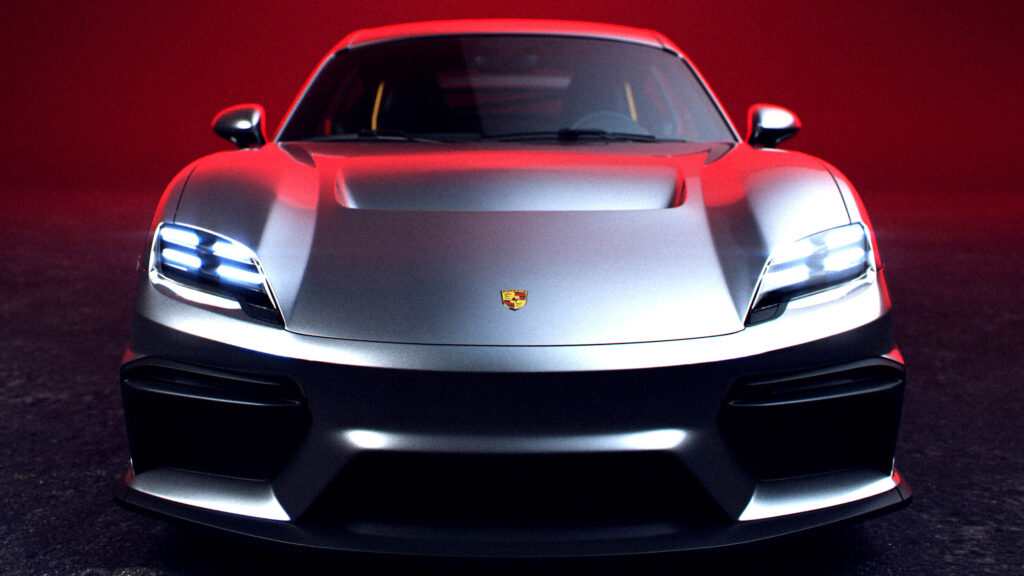
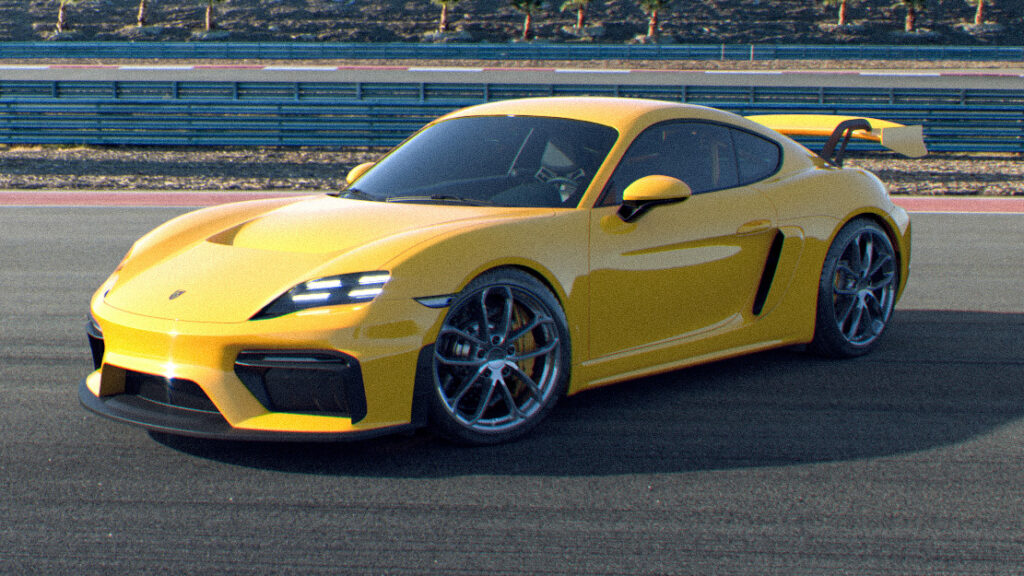
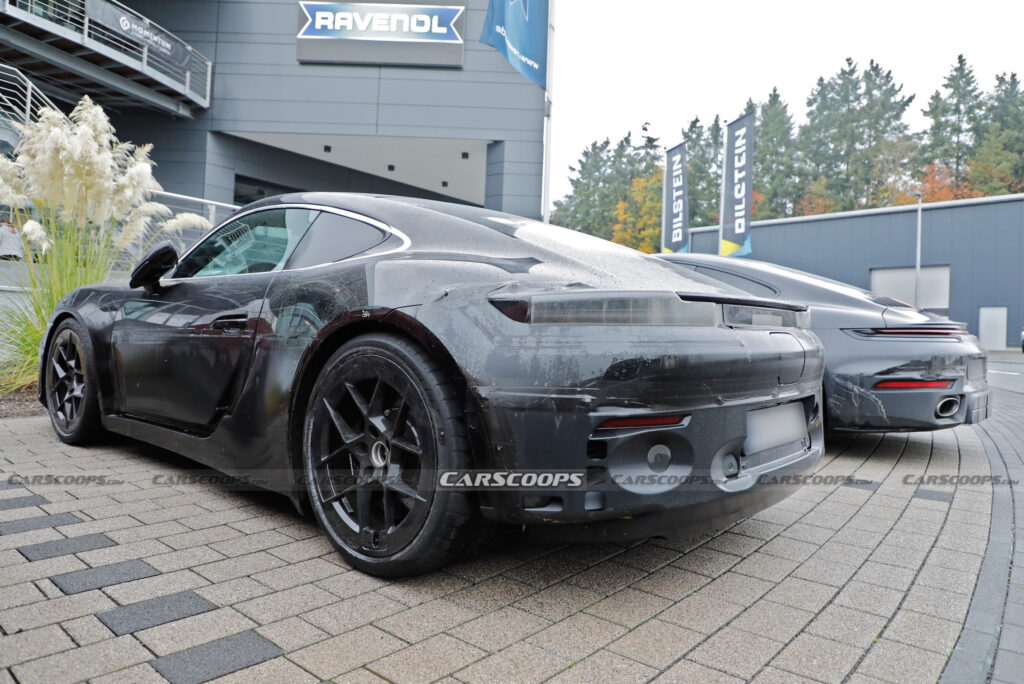
The next generation of the Porsche 718 Boxster and Cayman was initially developed as fully electric, but current market trends have forced the manufacturer to reconsider its strategy.
A few months ago, the Stuttgart-based brand confirmed that the top versions of the new sports cars would receive internal combustion engines. It now turns out that these will not be the only ICE models in the lineup.
Large-Scale Platform Redesign
According to insider sources from the engineering center in Weissach, Porsche is currently reworking the PPE architecture, which was originally intended exclusively for electric vehicles, so that it can accommodate gasoline powertrains. This will create a truly dual future for the 718 family.
The reverse engineering redesign will not be limited to the successors of the fierce Cayman GT4 RS and Boxster Spyder but is planned for a broader lineup set to appear closer to the end of the decade.
The strategy aims to achieve maximum efficiency and scale from shared components within the 718 family. This process is described as “one of the most radical powertrain changes in Porsche’s history.”
The future of Porsche with internal combustion engines will also include a new gasoline version of the Macan, which will join the existing fully electric crossover. The Panamera and Cayenne will also continue to offer ICE options, leaving the Taycan as the only fully electric model in Porsche’s range.
Serious Engineering Challenges
Porsche is not the only automaker that has had to rework a platform designed exclusively for electric vehicles. Stellantis did the same with the Fiat 500, which transformed from a fully electric model into a car with a micro-hybrid option. Of course, with sports cars, it’s more complicated, as ensuring “dynamic parity” between ICE and electric vehicles is an engineering challenge.
The battery pack is a structural element of the PPE architecture’s design, which means Porsche had to develop a new floor to compensate for the loss of rigidity. Insiders reported that the rear section will also be heavily reworked, receiving a new bulkhead and a rear subframe structure to free up space for the mid-engine and transmission.
Furthermore, engineers must solve the issue of properly placing the fuel tank, fuel lines, and exhaust system, which are absent in electric variants.
Potential Powertrains
As for the engine for the next 718, one option is an upgraded naturally aspirated 4.0-liter flat-six engine. This unit, which was installed in the previous-generation 718 GTS, GT4, GT4 RS, and Spyder models, was supposed to be discontinued but may now be refined to comply with Euro 7 emission standards.
Earlier reports suggested the 718 could inherit the more compact T-Hybrid system from the 992.2 GTS, which combines a bi-turbo 3.6-liter flat-six engine with an electric motor.
These changes in Porsche’s strategy reflect a broader trend in the automotive industry, where manufacturers are becoming more flexible in their approaches to electrification. The transition period requires technologies capable of meeting diverse market needs and regulatory requirements. The success of such dual architectures could define the development trajectory not only for sports cars but also for the mass market in the coming years, as infrastructure and consumer preferences continue to evolve. Porsche’s decision to retain ICE in its key models demonstrates a pragmatic approach that values both innovation and the brand’s heritage.