 by
by Eight years after the debut of the first generation, BMW is preparing a fully updated replacement for the X7. The new model, which is already being actively tested, will mark the entry of the large SUV into the Neue Klasse design era, acquiring sharper and more futuristic outlines.
New Aesthetics and Heritage
Early indications suggest that the design of the new X7 will borrow some features from the updated 7 Series, and details of the lighting signature will resemble limited-run headliners like the Skytop. The result could be a car that visually finds itself between BMW’s current design language and its future direction.
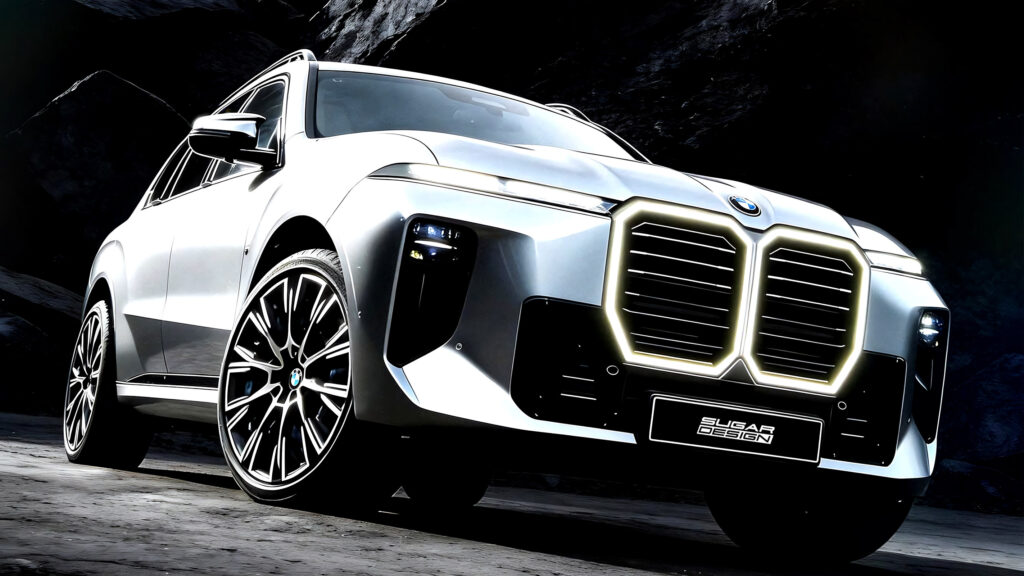
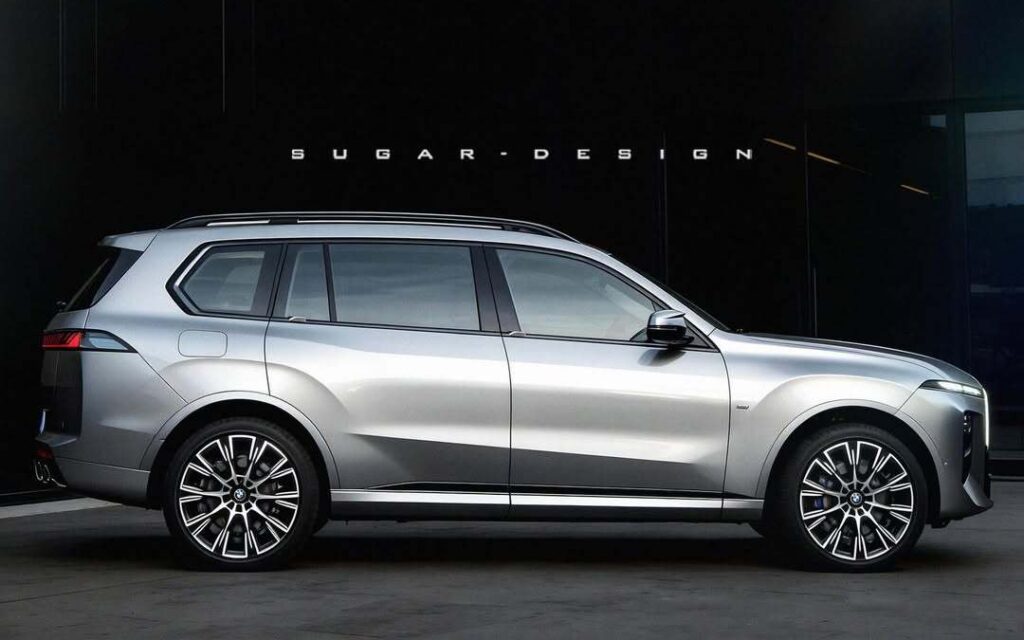
Artist Sugar Design’s renderings based on spy shots allow a glimpse under the camouflage to assess the possible look of the production model.
Despite radical changes to the exterior, the basic proportions will remain unchanged: the new X7 will retain its status as a large three-row SUV. However, early prototypes hint at a slight increase in length. The most noticeable metamorphoses will occur with the body’s sculpting: completely redesigned front and rear sections, while the side profile will gain cleaner and more refined lines.
Exterior Details
One of the most striking changes will be the front end. As with the previous model, the lighting will be split, but the upper daytime running lights (DRLs) will be redesigned and positioned slightly wider. The main headlights may be more neatly integrated into black recesses.
Unlike new electric vehicles like the iX3, the next-generation X7 is expected to retain the massive ‘kidney’ grilles. They will receive horizontal slats and LED illumination, allowing the recognizable image to be preserved while bringing it closer to the Neue Klasse aesthetic.
Innovations in Details
One of the most unique features of the new X7 will be the side doors. The car will get rid of traditional door handles. Instead, as seen in spy shots, small fin-like protrusions will appear directly under the side windows, similar to the Ford Mustang Mach-E.
Similar solutions have already appeared on limited-run BMW models like the Skytop. Besides visual novelty, they could improve aerodynamics and efficiency, especially on electric versions.
The rear will also be entirely new. Renderings show taillights similar to those installed on the new iX3. Camouflaged test cars hint that the split tailgate may be retained.
Updated Interior and Technologies
The interior is expected to debut the panoramic iDrive system, as seen in the new i3 and iX3 electric cars. It will include a wide-format head-up display on the windshield and an infotainment display in the form of a tablet.
The system is oriented towards touch control and an enhanced voice assistant, while physical buttons will be further reduced. The X7 will retain three rows of seats and the ability to seat seven passengers, remaining BMW’s primary family car.
Future Plans
The second-generation X7, known under the internal code G67, is expected in the second half of 2027, with production possibly starting in the summer or autumn of the same year.
The question of whether it will remain the brand’s largest SUV remains open. It is reported that dealers in North America are lobbying for the creation of an even larger X9 model to compete with the Cadillac Escalade and Lincoln Navigator. This means the X7 may soon have to share the spotlight at the top of the model range.
The transition to a new design philosophy is always a challenge, especially for such iconic and voluminous models as the X7. Balancing the preservation of recognizability with a bold step into the future requires careful work. The implementation of details like door fins instead of handles indicates BMW’s readiness to experiment even in the premium segment. The success of this model could largely determine how receptive customers will be to the new, more radical forms being prepared under the Neue Klasse. Parallel rumors about a possible X9 also point to dynamic competition in the segment of luxury large SUVs, where every manufacturer is trying to offer a unique combination of space, technology, and status.