 by
by Spread of Rumors About Ford and Xiaomi Collaboration
The world of electric vehicles is evolving so rapidly that even unconfirmed rumors can instantly become the subject of heated discussions. For example, this week, Xiaomi and Ford jointly refuted information published in the media about possible negotiations regarding the joint production of electric vehicles in the United States. This was a reaction to an unexpected statement that the two companies were exploring a joint path in the future.
Key facts of the situation:
Source of Information and Companies’ Reaction
A publication that appeared over the weekend in the Financial Times, citing four sources familiar with the situation, claimed that Ford had held discussions with Xiaomi about creating a joint venture to produce future electric vehicles in America. It was also reported that Ford had discussed the possibility of collaboration on American soil with other Chinese automakers, including BYD.
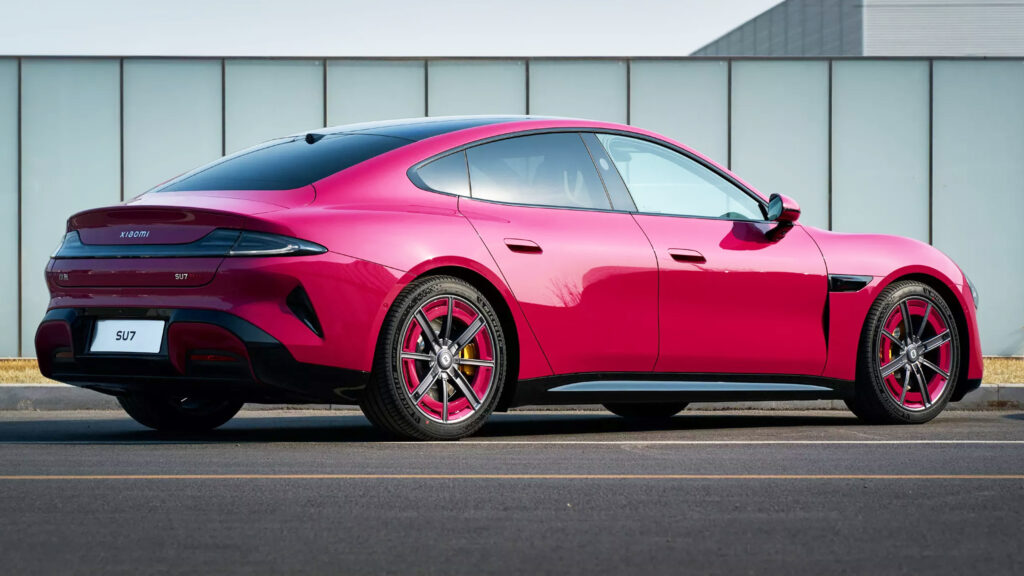
Certain weight was added to these rumors by public statements from Ford CEO Jim Farley. He repeatedly expressed approval of Chinese electric vehicles, particularly highlighting the Xiaomi SU7 model, which he personally used. These statements fueled interest in how closely the American auto industry is watching the development of the electric vehicle market in China.
However, shortly after the publication, Ford issued a sharp denial, stating:
“This story is completely untrue… There is no truth to it.”
Xiaomi also dismissed any plans for joint electric vehicle construction with Ford in the USA, stating:
“Reports that Xiaomi is discussing a joint venture with Ford Motor Co. are untrue. Xiaomi does not sell its products and services in the United States and is not negotiating to do so.”
Political Context and Potential Obstacles
Even the hypothetical possibility of such a deal is an extremely sensitive political topic. Any partnership between an American automaker and a Chinese company would likely face immediate and close scrutiny in Washington.
As noted in a comment to the Financial Times by Representative John Moolenaar, a Republican and chairman of the House Select Committee on the Chinese Communist Party, a deal between Ford and Xiaomi would be tantamount to
“turning our back on American partners and allies, and it would make our country even more dependent on China.”
Current federal policy makes such a prospect even less likely. The Biden administration recently finalized rules that effectively block Chinese electric vehicles from entering the US market, citing national security risks.
Interestingly, former President Donald Trump has taken a more nuanced position. While remaining critical of China on trade, he stated he would support Chinese companies if they built factories in the USA and hired American workers.
“If they want to come in and build a plant, hire you, your friends and neighbors, that’s great, I love that,” Trump said. “Let China come in.”
This story vividly demonstrates how tightly technological ambitions, business interests, and geopolitics are intertwined in the modern automotive world. The swift and sharp reaction from both business and politicians to unconfirmed reports indicates a high level of tension and competition in the global race for leadership in electric vehicles. Even if specific negotiations between Ford and Xiaomi are not taking place, the very fact that such rumors emerged reveals potential market development directions and the serious barriers that exist on the path of international cooperation in this industry. The future of electric vehicles is being shaped not only in design bureaus but also in the offices of legislators and at international negotiations.