 by
by Jaguar’s Plan: Ambitious Shift to Electric Vehicles Raises Doubts
Almost five years ago, Jaguar announced a complete transformation into a brand that would exclusively produce ultra-luxury electric vehicles, shifting its focus from traditional German competitors like BMW and Audi to Bentley. This plan seemed extremely ambitious from the very beginning, and today it looks just as bold.
Currently, some of Jaguar’s partners, including dealers, are asking uncomfortable questions about this strategy. Against the backdrop of electric vehicle sales cooling off or growing very slowly in key markets, skepticism about such a sharp turn for the brand is intensifying. Industry analysts also express similar concerns, pointing out that Jaguar may be targeting a shrinking share in an already narrow segment.
Transition Challenges and Sales Targets
According to sources in dealer circles, Jaguar plans to sell about 10,000 cars per year, which matches Bentley’s current volumes. However, this target, while clear on paper, raises doubts. Achieving such volume in the luxury electric vehicle segment is very difficult, as only a few models have achieved real success there.
I doubt Jaguar’s strategy will work. Jaguar wants to go where other luxury car manufacturers are gradually retreating from due to lack of demand. What customers does Jaguar want to attract with its electric luxury cars? I don’t know if one can survive with such a strategy.
This opinion was expressed by S&P Global analyst Martin Benecke.
The First Model and Its Positioning
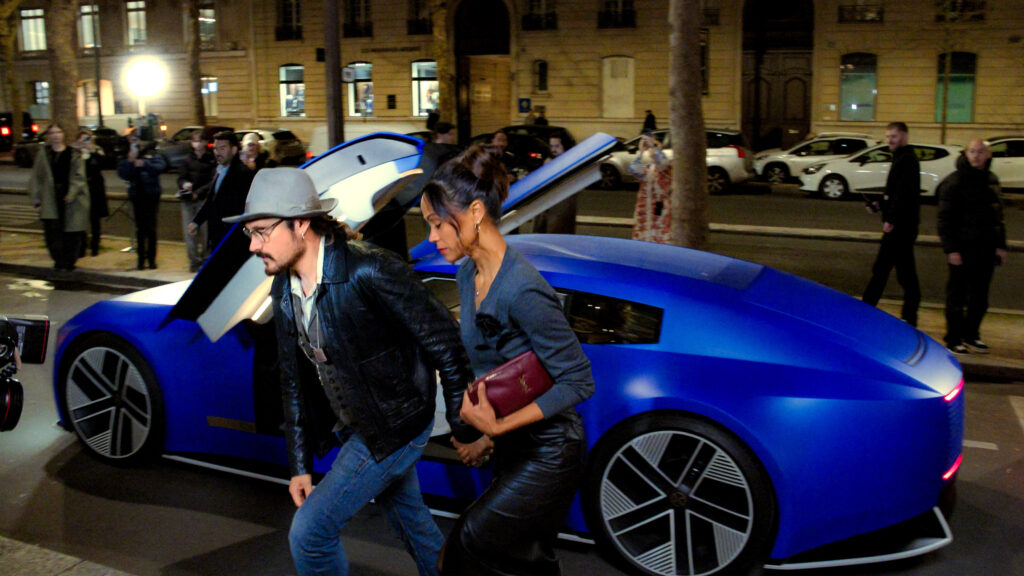
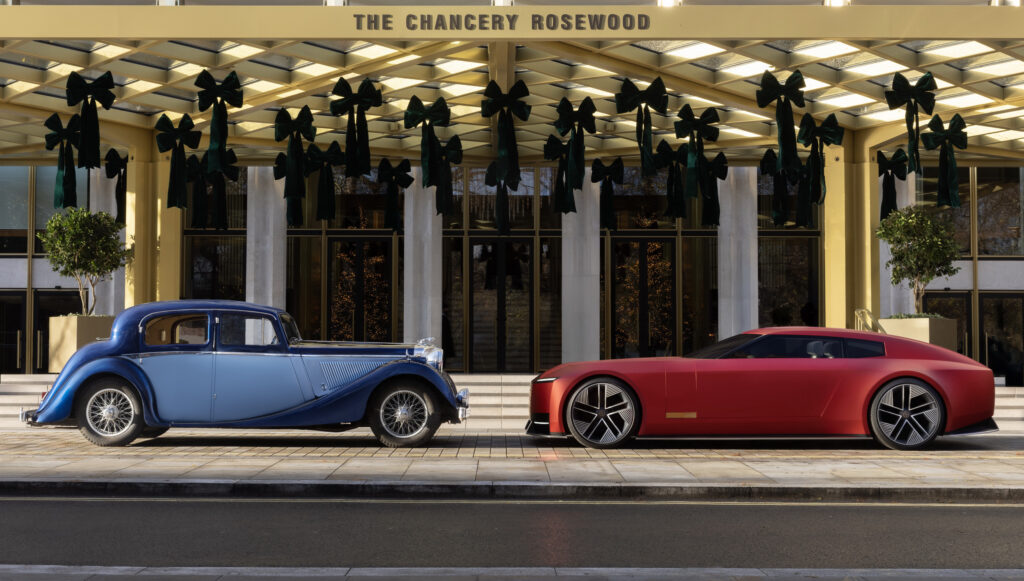
The first model of Jaguar’s new generation of electric vehicles will be a luxurious four-door sedan, preceded by the Type 00 concept. Its starting price in the USA is expected to be around $130,000, making it more expensive than the Mercedes-Benz EQS. If sales turn out lower than expected, reworking the platform for hybrids or internal combustion engines could prove very difficult and expensive.
Dealer Reaction: From Uncertainty to Cautious Optimism
The mood among dealers is mixed. One of them noted that there is currently no clear business plan for Jaguar, and the final investment decision will depend on a detailed strategy.

However, not all sentiments are pessimistic. Some representatives, including the head of the German Jaguar and Land Rover Dealers Association, Andreas Everschneider, see an opportunity in the brand’s relaunch. He warned that Jaguar must avoid the trap of overproduction, which leads to price collapses and the failure of the luxury strategy.
The success of Jaguar’s ambitious rebranding will depend not only on the technical characteristics of the new models but also on the brand’s ability to create a compelling story and exclusivity in the minds of buyers who are accustomed to established names in the world of ultra-luxury cars. Competition with players like Bentley and Rolls-Royce, who are also actively exploring the electric space, will require flawless execution of everything: from design and material quality to customer service and a unique ownership experience. The market niche Jaguar has chosen remains elite and demanding, where every step will be under close scrutiny from both experts and potential customers.