


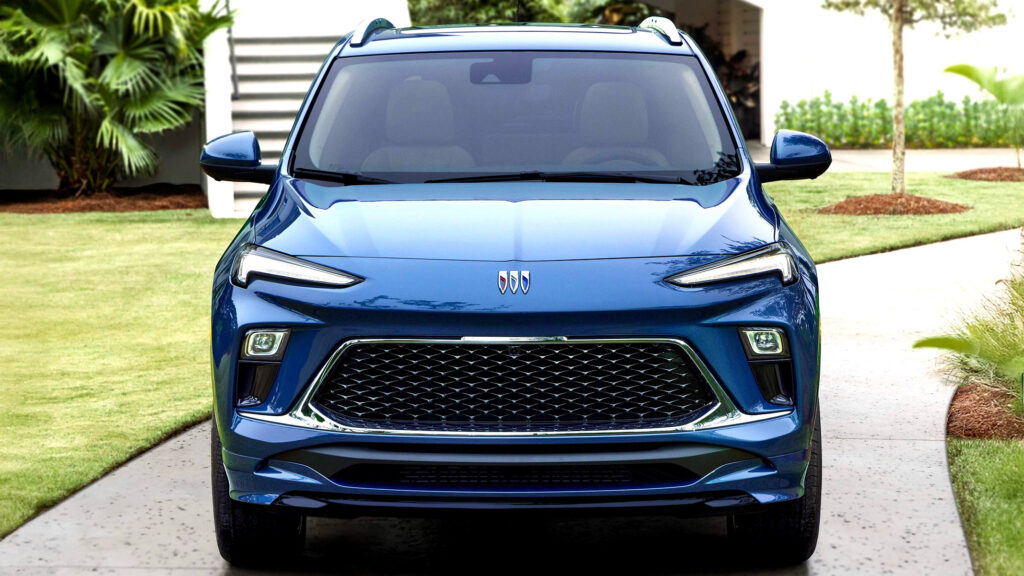
American automaker General Motors plans to reach full production capacity at its plants in South Korea this year, amounting to about half a million vehicles. This decision is linked to sustained demand for affordable crossovers in the US market, despite the threat of increased customs tariffs.
Key Models for the American Market
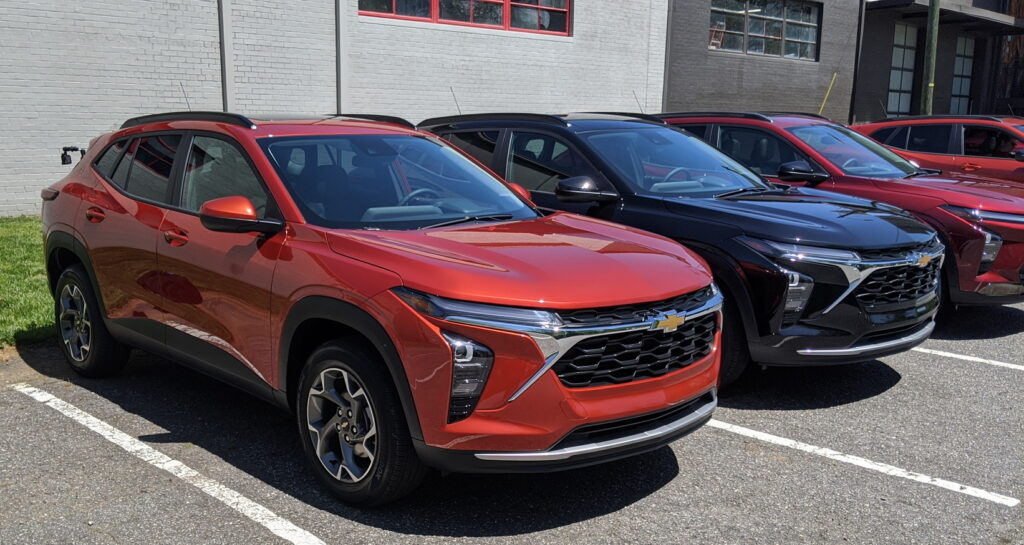
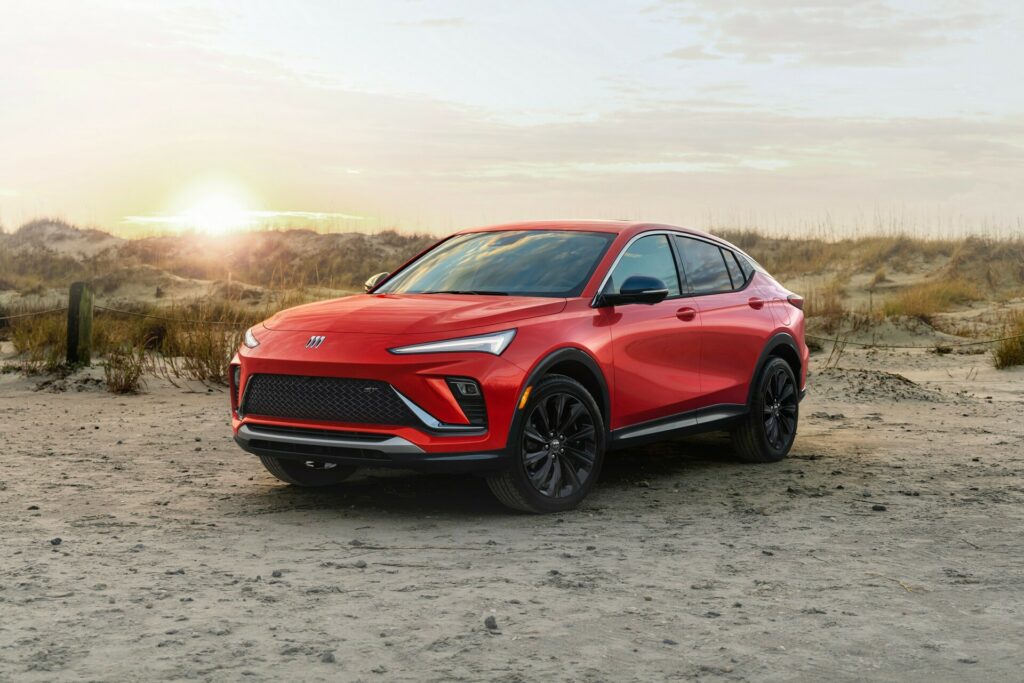
The Korean production lines of GM manufacture models that have become sales hits in the States: the Chevrolet Trax and Trailblazer, as well as the Buick Encore GX and Envista. In 2025, these four cars together accounted for over 400,000 sales for the corporation, and their popularity is not waning. This is the main reason why the company does not currently plan to relocate the production of these models to other regions.
If GM achieves its goal of 500,000 units, it will not only signal confidence in its Korean operations but also confirm a larger reality: affordable crossovers provide volume, and GM is willing to absorb the headache of tariffs to continue their flow.

Plans for Korean Plants and Challenges
According to sources from South Korea, GM aims to load its plants in Incheon and Changwon to full capacity to meet “strong global demand.” The company does not publicly disclose precise production targets but confirms that maximizing capacity is a primary task. These plans are being announced at a difficult time: US President Donald Trump recently threatened to increase tariffs on Korean-made cars from 15% to 25%. This creates uncertainty; however, GM, at least for now, does not show a desire to change its strategy regarding Korean production.
Korea as an Export Hub
The role of South Korea for GM has significantly changed: from a sales market, it has transformed into an important export center. While the company previously sold about 170,000 cars here annually, last year local sales dropped to just over 15,000 units, as local buyers prefer products from Hyundai, Kia, and Genesis. Thus, the survival of GM’s operations in the region now almost entirely depends on exports.

This situation clearly demonstrates how global supply chains adapt to political and economic realities. Demand for affordable and economical SUV models remains so high that manufacturers are willing to overcome additional administrative and financial barriers. The success of these specific GM models also indicates that the right product strategy, focused on specific price segments, can offset the risks associated with changing trade legislation. The future will show whether such an approach will be sustainable in the event of a further escalation of trade wars.