


Hyundai Recalls Nearly 425,000 Vehicles Due to Three Different Issues
Hyundai has announced three new recall campaigns that collectively cover nearly 425,000 vehicles. The affected models include the Santa Cruz, Tucson, as well as the Ioniq 5 and Ioniq 9 electric vehicles.
Dangerous Airbags in Elantra
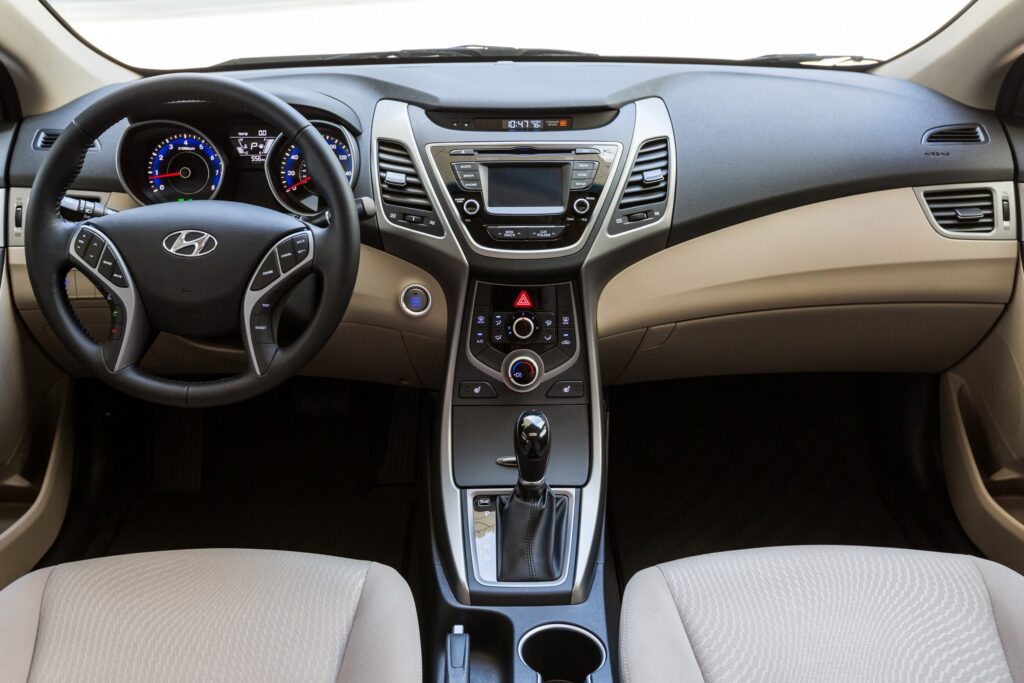
The most serious recall involves 3,493 Elantra vehicles from the 2015 and 2016 model years. These cars may be equipped with an airbag inflator that can rupture and scatter debris toward the driver, potentially causing injury or even death.
The National Highway Traffic Safety Administration (NHTSA) notes that these inflators “may contain an explosive that does not meet density specifications,” which could cause “increased internal pressure in the inflator, potentially leading to its rupture during airbag deployment.”
While this campaign is reminiscent of the massive Takata airbag recall, these inflators were manufactured by ARC Automotive. The manufacturer is not aware of any ruptures but decided to conduct the recall out of an “abundance of caution.” Owners will be notified in July and asked to bring their vehicle to a dealer for inspection. If necessary, technicians will replace the airbag inflator.
Premature Braking Due to Software Error
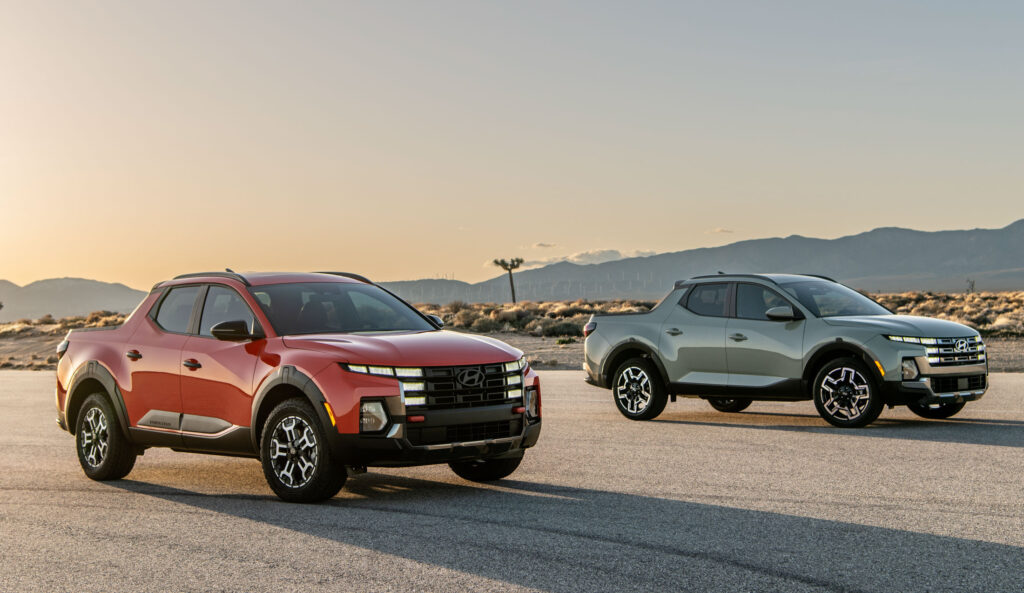
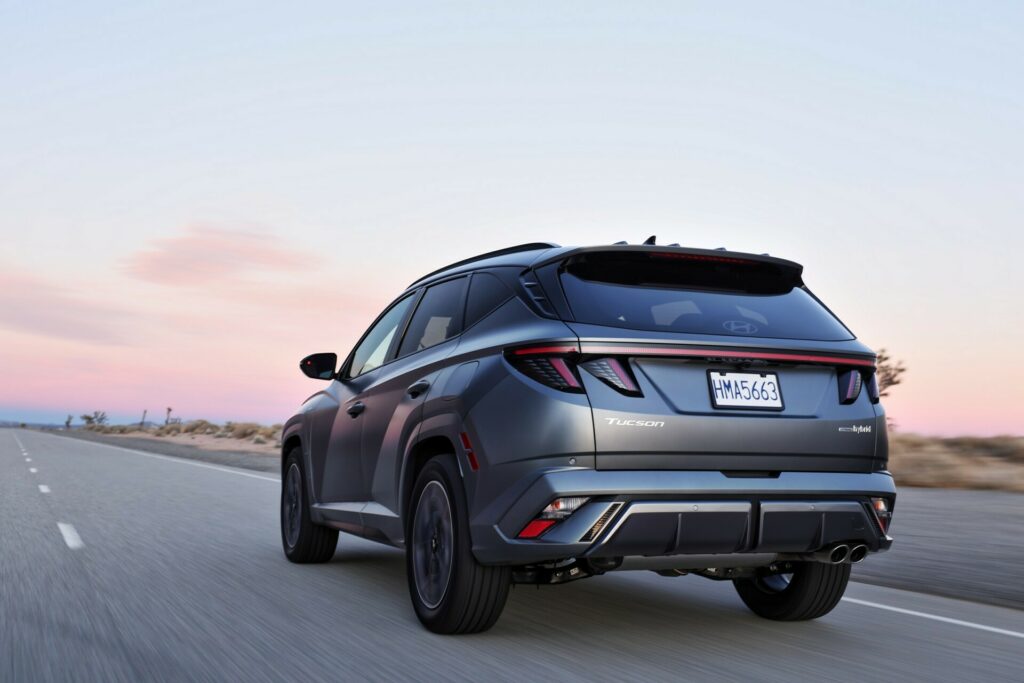
The largest recall concerns the Forward Collision-Avoidance Assist system, which may unexpectedly apply the brakes on 421,078 vehicles. This includes the 2025-2026 model year Santa Cruz, Tucson, Tucson Hybrid, and Tucson Plug-In Hybrid.
Due to a software error, these vehicles may exhibit “increased sensitivity” to objects in front of the car. This causes the collision avoidance system to act prematurely and apply the brakes unexpectedly.

Hyundai began investigating this issue early last year. The company received 376 reports related to the operation of the collision avoidance system. Unfortunately, four of these cases resulted in accidents when other vehicles rear-ended the Hyundai. These collisions reportedly caused four injuries.
To resolve the issue, dealers will update the front camera software. Owner notification letters are planned to be sent in mid-July.

Untightened Suspension Components in Electric Vehicles
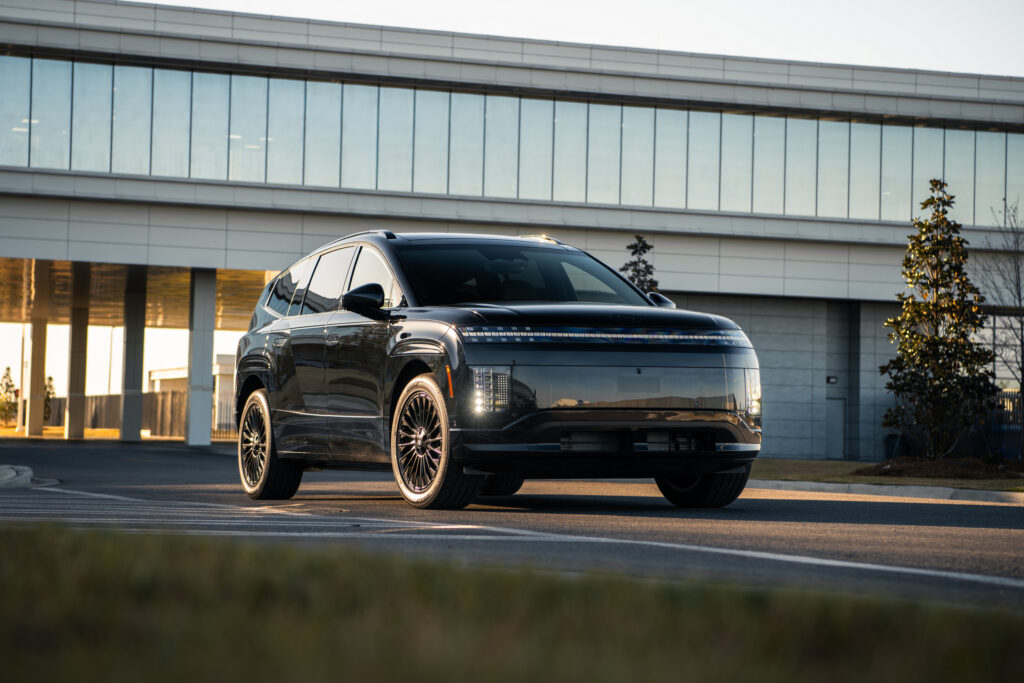
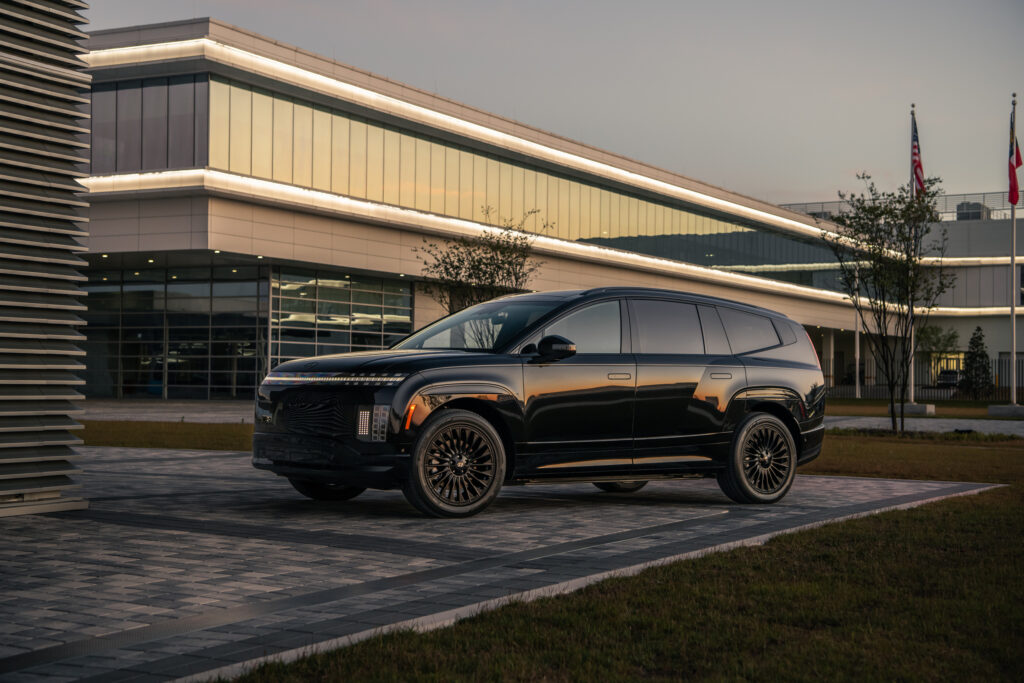
The third recall affects the 2025 Ioniq 5 and 2026 Ioniq 9 electric vehicles. These EVs may have been equipped with rear suspension fasteners that were not tightened to the proper torque. As a result, vibration could gradually loosen the nuts and bolts, potentially leading to a loss of vehicle control.
Hyundai received a report about the issue in 2025 after a complaint about a strange noise from the rear suspension of an Ioniq 5. This prompted an investigation, and the manufacturer is currently aware of only two incidents.
The campaign covers 172 vehicles, but it is estimated that only 1% of them have improperly tightened suspension components. As part of the recall, dealers will inspect and replace the rear suspension fasteners and perform a rear axle alignment.
These three separate campaigns demonstrate just how diverse quality and safety issues can be, even for a major automaker. From potentially fatal airbag defects to software errors causing unexpected braking and mechanical deficiencies in the suspension, each case requires a distinct solution. While the number of affected vehicles in some categories is small, the very fact of such disparate problems indicates the need for stronger controls both during the production stage and during software development. Owners of the affected models should pay close attention to future notifications from the manufacturer and not delay visiting a service center.