 by
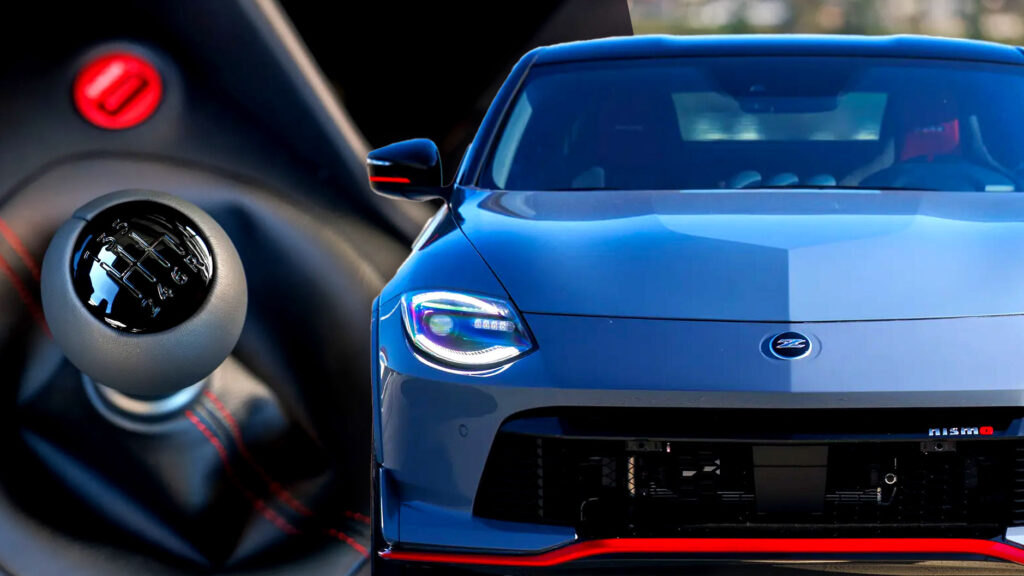
by Nissan has unveiled updated versions of the Z sports car and its top-tier Nismo variant for the 2027 model year. Key innovations include the introduction of a six-speed manual transmission for the Nismo version, a refreshed design, and the installation of a new Qi2 wireless charging pad.
Updated Exterior
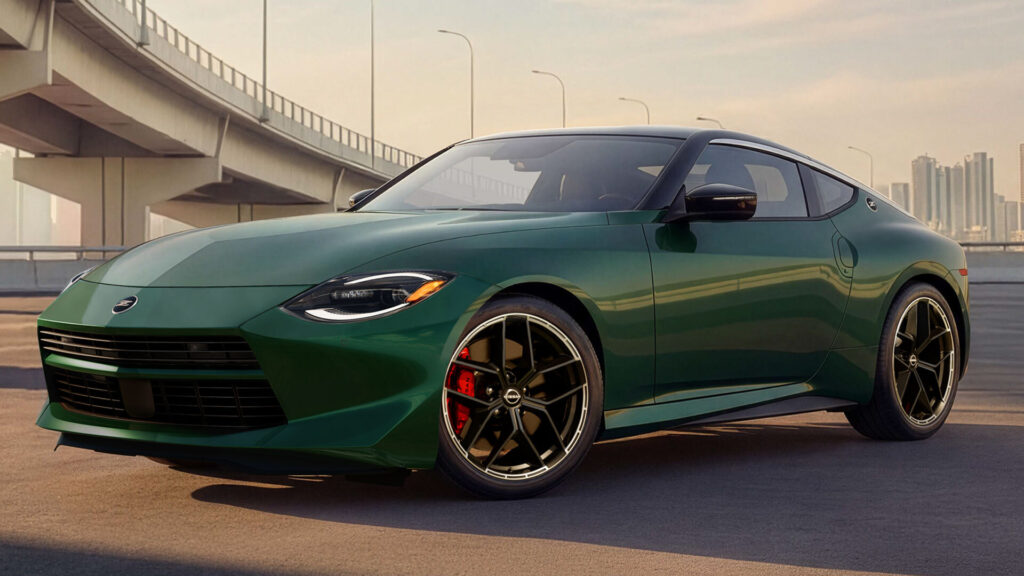
The car remains recognizable but has received a new front end inspired by classic Nissan sports models. The redesigned bumper features softer contours, and the new grille, adorned with horizontal accents and a body-colored bar, looks more aesthetically pleasing than the previous rectangular one. These changes improve aerodynamics by reducing lift and drag. A new “Z” badge has also appeared on the nose, replacing the Nissan logo, while new 19-inch forged wheels are offered for sporty versions. The new Shinkai Green Pearl Metallic paint, available for Sport and Performance trims, is a nod to the color of the original Z model.
Interior Changes
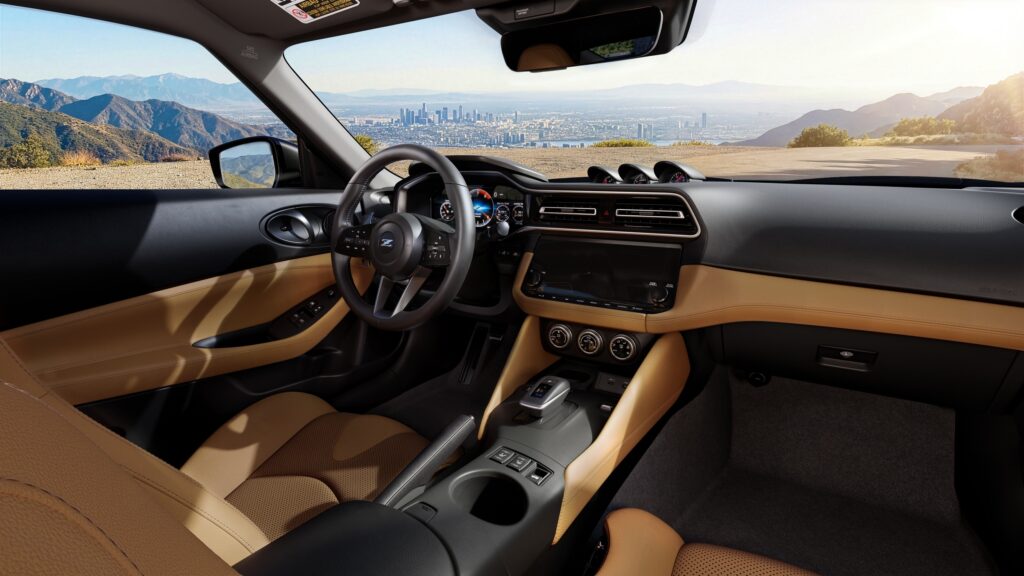
The interior has undergone minor updates. A beige upholstery option is now available for the Performance trim, adding elegance. The key technical innovation for the Performance and Nismo trims is a Qi2 wireless charging pad with up to 15W of power, which supports magnetic alignment with modern smartphones. The cabin retains the digital instrument cluster, an 8- or 9-inch multimedia system, climate control, and driver-assistance systems. A six-speaker audio system is standard, while Performance and Nismo models get an eight-speaker Bose system.
Technical Improvements
The updates are not just cosmetic. For 2027, the Z has received a new fuel tank designed to maintain a stable fuel level during high-speed maneuvers, which is important for track driving. The Performance version is equipped with larger-diameter shock absorbers that improve vibration damping, providing a smoother ride and more predictable handling.
Manual Transmission for Nismo
The most important news for the top-tier Nismo version is the availability of a six-speed manual transmission, long-awaited by enthusiasts. This gearbox, developed specifically for Nismo, features an upgraded clutch and a new shift lever ratio, ensuring a shorter throw and faster, more precise shifts. The engine paired with the “manual” has a special tune for a more aggressive throttle response. The active engine sound enhancement and active noise cancellation systems were also recalibrated for this transmission.
The new transmission “provides a much shorter shift stroke, rewarding drivers with faster and more precise gear changes,” Nissan notes.
Furthermore, the Nismo has received new front brakes with two-piece iron and aluminum alloy rotors borrowed from the GT-R. They are 8.6 kg lighter and feature improved cooling channels, significantly reducing pad temperature on the track. The suspension and steering have also been recalibrated to ensure smoother cornering.
Engines and Prices
The Nismo’s engine—a twin-turbocharged 3.0-liter V6—continues to produce 420 hp and 520 Nm of torque, slightly more than the Sport and Performance versions (400 hp and 474 Nm). A six-speed manual is now standard for all versions, but a nine-speed automatic remains optional. Prices will be announced closer to the start of sales, but they are expected to start from the level of the previous model, which ranged from $42,970 for the base version to $65,750 for the Nismo.
The introduction of a manual transmission in the top-tier Nismo version is a significant step towards purists who value full control over the car. This decision sets the Z apart in a market trend where automatic transmissions dominate, even in sports models. Technical updates such as the new fuel tank and improved brakes indicate Nissan’s focus on enhancing the car’s track capabilities, making it more competitive among rear-wheel-drive coupes. Maintaining the car’s availability with three power levels and two transmission types allows it to be adapted to different needs—from daily comfort to weekend racing.