


Serious Recall for a New Model
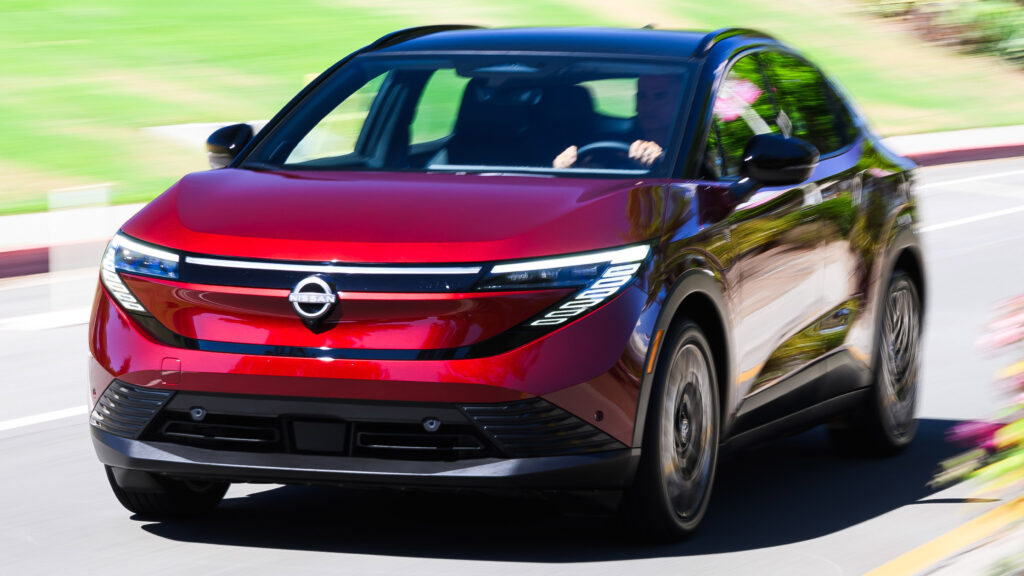
The current generation Nissan Leaf has been on the market for less than a year, but the company is already forced to announce a serious recall due to safety issues. Fifty-one owners may have a vehicle that, under very specific circumstances, is prone to a “thermal event.” Simply put, these specific cars can catch fire, so Nissan is ordering owners to take a series of precautionary measures, including parking outdoors.
The Root of the Problem Lies in the Manufacturing Process
According to the recall information, the problem stems from the manufacturing process at the battery supplier’s plant. It concerns a 78 kWh lithium-ion battery. During production, the edge of the cathode in one of the cells may have been damaged. If this damaged area bent inside the cell, it could cause an internal short circuit.
This short circuit can lead to battery overheating and potentially trigger what the company calls a “thermal event.” In other words, the battery can catch fire even when the car is parked, turned off, and not charging.
Incidents with Parked Vehicles
The first known case occurred in Japan on February 16, when a “thermal event” happened with a parked, outdoor 2026 model year Leaf. The second case was recorded in the USA on March 2 on the premises of a Nissan dealership. In both cases, the vehicles were turned off and not connected to a charger.
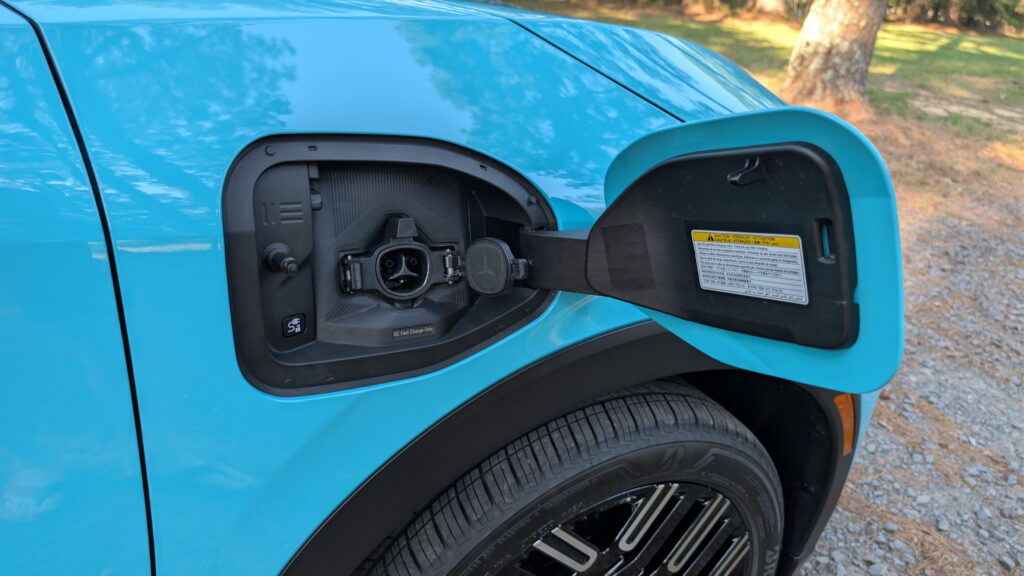

This fact is key, as often it is the charging process that can initiate such incidents. Given that these cars were not plugged in, owners may have no signs of a problem until a fire occurs.
Company Actions and Recommendations for Owners
Nissan reports that it used telematics data to scan other Leaf vehicles for unusual battery behavior and then tracked suspicious batteries by specific VIN codes. The company claims to have a direct match between each battery and each affected vehicle. Nissan halted shipments of potentially problematic Leafs on March 17 and held vehicles at ports. Owners will begin receiving phone calls immediately, and preliminary recall letters will start mailing from April 17.
Until then, Nissan advises owners of affected vehicles to park them outdoors away from buildings, avoid charging, and have the car delivered to a dealer. Dealers will provide a rental car until a fix is ready. Once a solution is found, Nissan will replace the damaged battery modules or the entire battery pack if necessary, free of charge.
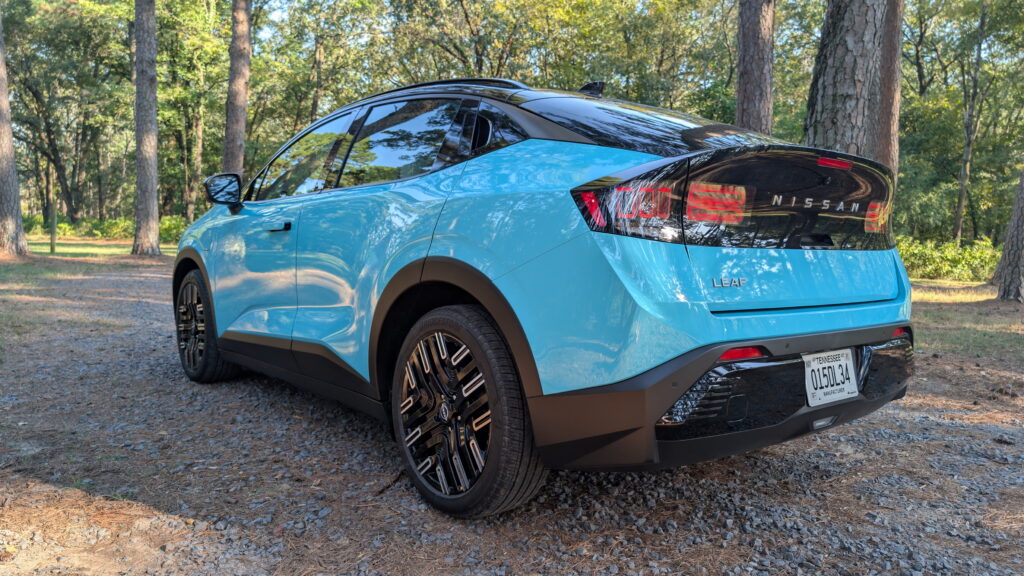
This incident, despite the limited number of vehicles involved, highlights the complex challenges faced by EV manufacturers in controlling the quality of intricate battery systems. Nissan’s ability to quickly identify specific VINs thanks to its tracking system is a positive aspect; however, the very fact that a defect appeared at such an early stage in the model’s lifecycle may raise questions. For the electric vehicle market, where trust in battery safety is critically important, such recalls, even small ones, always attract significant attention. The speed of the manufacturer’s response and the support measures offered to owners will be key factors in maintaining consumer trust.