


An Unconventional Approach to Suspension Tuning
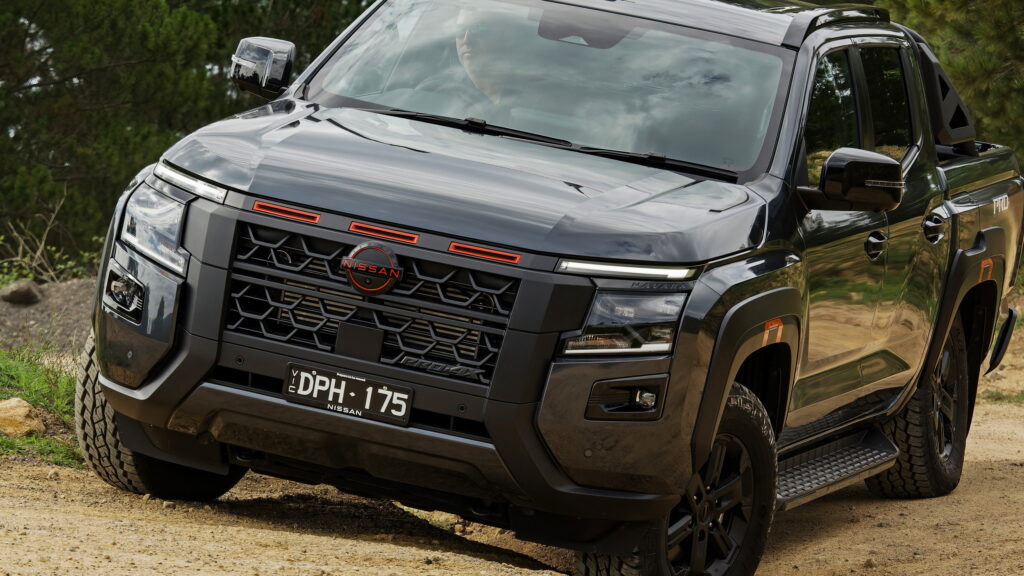
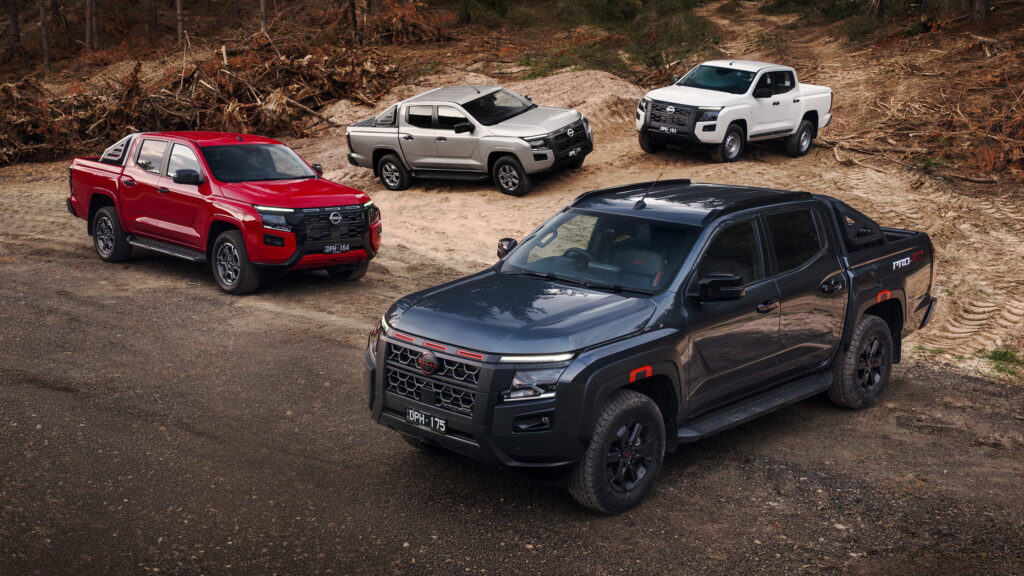
The new generation of the Nissan Navara pickup recently debuted on the Australian market with a suspension specially developed for this region. However, the logistics behind this process raise questions. The manufacturer has confessed that every new Navara destined for sale in Australia, even before being handed over to the buyer, undergoes a procedure of dismantling and writing off the factory shock absorbers.
This decision is a result of Nissan’s partnership with the Melbourne-based engineering company Premcar, which developed unique suspension settings adapted to local road conditions and driver preferences.

The Replacement Process and Environmental Stance
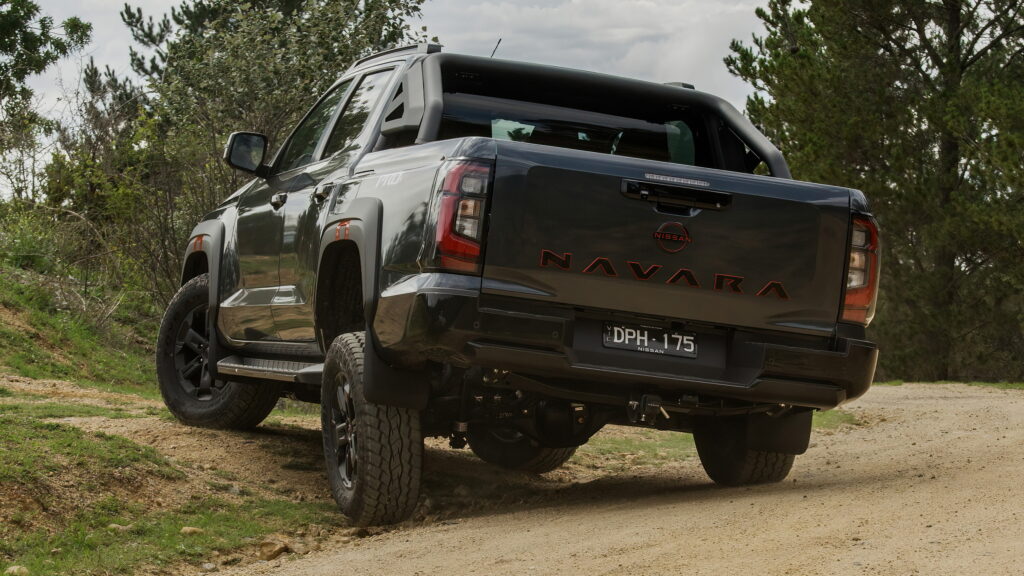
While this modification is meant to give the Nissan Navara dynamic advantages compared to its closely related Mitsubishi Triton, it also leads to increased costs for GST and production, as well as creating waste. When the trucks arrive at local dealerships, technicians are tasked with replacing the factory shock absorbers with new, locally manufactured ones.
When they remove the shock absorbers, they follow a standard process where it is recommended to drain the oil, dispose of it just like engine oil from a car, and send the shock absorbers themselves for metal recycling.
This approach is hard to call the most cost-effective solution; however, Nissan believes that writing off the parts aligns with their sustainability policy, which includes material recycling.
Why Can’t the Parts Be Reused?
The D27 generation Navara is produced together with the Mitsubishi Triton at the Mitsubishi plant in Laem Chabang, Thailand. However, the Australian suspension is not installed at the manufacturing plant, so the pickups are transported on standard shock absorbers supplied by Mitsubishi.
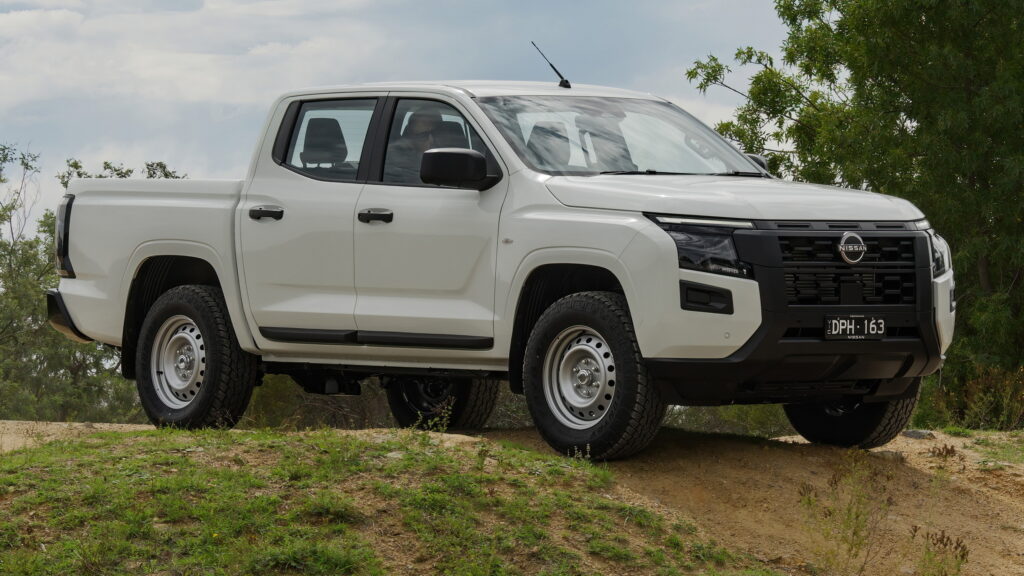
Naturally, the vehicles undergo some mileage during factory testing, loading onto transporters and ships, as well as moving around warehouse and dealership territories. This explains why the dismantled shock absorbers cannot be returned to stock or sold as new spare parts.
One might assume that many Mitsubishi Triton owners in Australia would benefit from access to these nearly new components when replacement time comes, especially if they were offered at a discount.
Details on Premcar’s Engineering Work
The local suspension tuning by Premcar for the Navara includes specific settings for the base SL and ST grades, a slightly more expensive version for the ST-X, and an off-road configuration for the top Pro-4X version. Furthermore, it has been confirmed that Nissan and Premcar are working on creating a more off-road-oriented Pro-4X Warrior variant with further suspension modifications for tackling even more challenging terrain.
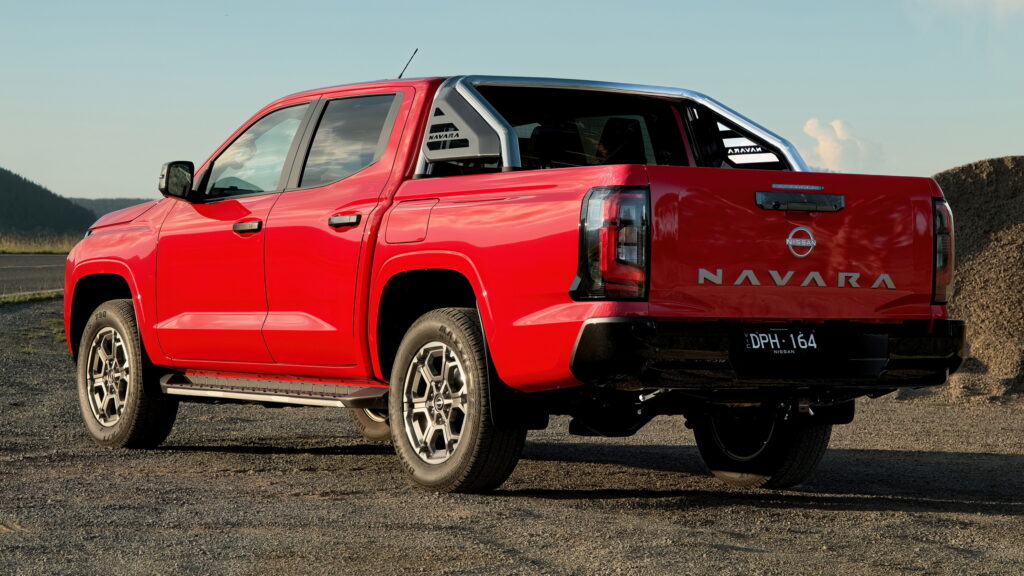

Nissan representatives reported that the launch of the Navara on the market was delayed by a full year precisely to have time to implement this comprehensive local engineering program.
Despite the delay, the company’s management emphasized that this was deemed necessary for the pickup to meet the expectations of Australian buyers and be able to compete in a segment dominated by the locally developed Ford Ranger.
Balance Between Quality and Rationality
The reality is that buyers will likely appreciate the improved handling dynamics of the midsize pickup and its distinct character compared to the Mitsubishi model. However, the thought that thousands of practically new parts are sent for shredding without ever hitting the road remains hard to comprehend from a resource and logistics standpoint.
This situation vividly illustrates the complexity of the global auto business, where the desire to offer a perfectly adapted product to the market collides with the harsh realities of supply chains and environmental challenges. Nissan’s practice in Australia calls into question the efficiency of traditional approaches and may become a reason to seek innovative solutions in the future, such as modular construction or regional final assembly of key components. The success of the Navara in this market will show whether the ultimate benefits for the driver justify such unconventional and resource-intensive procedures.