


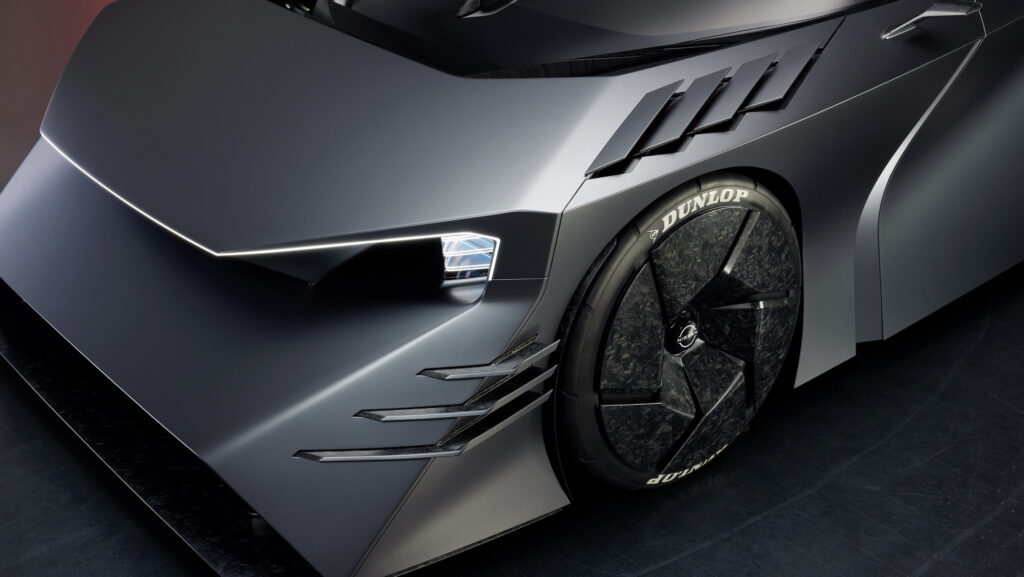
Nissan confirms: New GT-R will come, but not as an electric vehicle
Electrification has swept through the automotive industry like a wildfire, even as the US market has cooled somewhat. It first touched economy cars and daily drivers, then moved to luxury sedans and SUVs, and eventually reached exotic supercars worth millions of dollars.
Today, almost every conversation about performance ends with a mention of the battery pack. But, it seems, Nissan is not yet ready to cross a certain line with its next GT-R. Although some degree of electrification will likely be present.
Hybrid is the maximum for the R36
For now, a hybrid powertrain is the furthest Nissan is willing to go for the next-generation R36. This decision is also likely tied to the current situation in America, where one automaker after another is either abandoning its electric vehicle plans or significantly scaling them back.
Espinosa confirms: A successor is coming
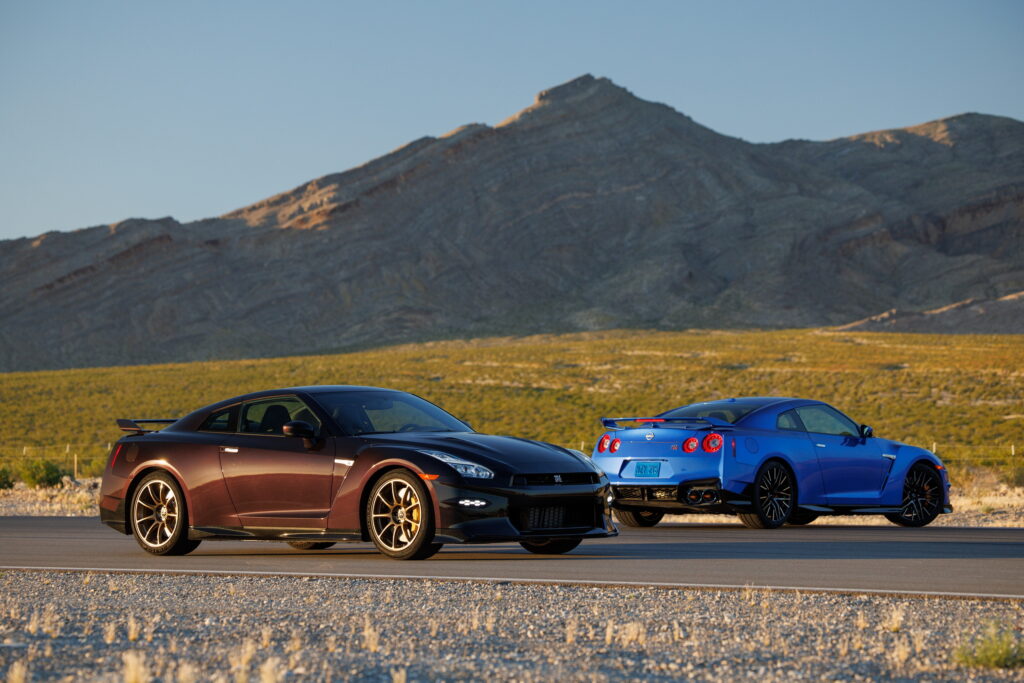

When production of the R35 GT-R ended in August last year, it surprised no one that everyone started guessing what the next generation would be like. Then, earlier this year, Nissan CEO Ivan Espinosa made it clear that the GT-R remains one of the company’s highest priorities. Calling it one of Nissan’s strongest brands, he stated that a successor will definitely come.
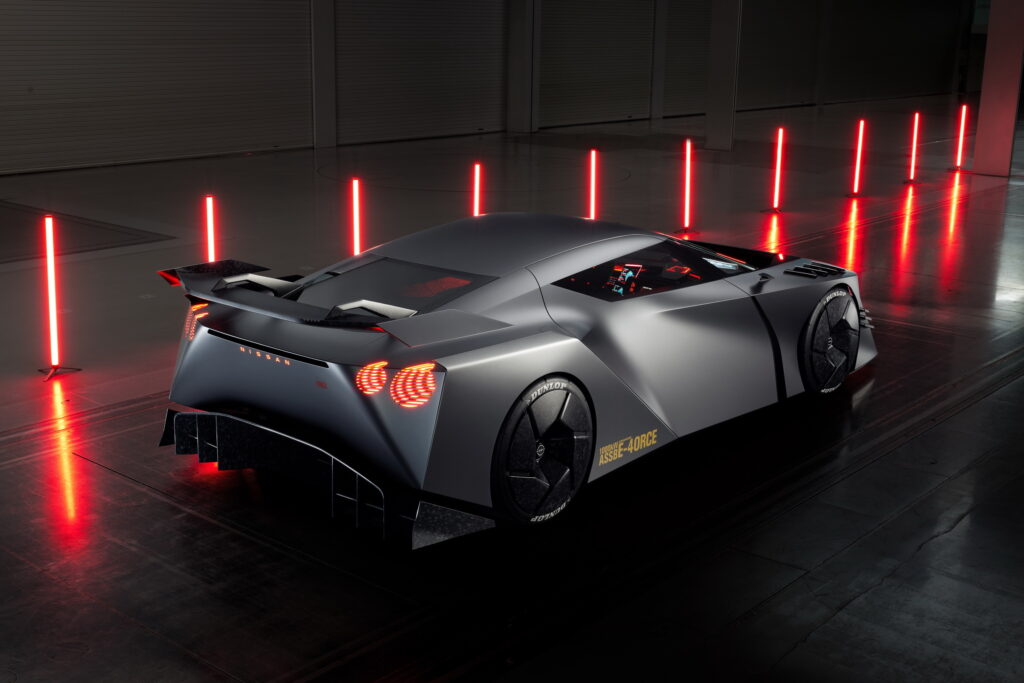
Now we know that the new model will not be fully electric, even though Nissan tested this idea with the 2023 Hyper Force concept, which hinted at an electric future for the GT-R.
Battery chemistry is not ready yet

In an interview with EVO magazine, Richard Kendler, Nissan’s global head of product strategy, noted:
What we have seen so far indicates that electric sports cars have not been very popular. I think they will come when battery technology makes the next leap, but current lithium chemistries cannot create a GT-R type product. We will not go for batteries in the next generation. No way.
Kendler’s comments came after many high-profile electric hypercars, such as the Rimac Nevera and Lotus Evija, clearly failed to gain traction, despite their enormous performance figures. Nissan appears to be watching this closely.
This is a strong statement from Nissan, but it comes with one caveat regarding electricity. Kendler continued by explaining that the GT-R “will have to be electrified due to emission regulations at a certain level. It’s just common sense to have some degree of electrification, but the battery is the limiting factor.” So, in other words, expect a hybrid GT-R whenever it appears. Most likely, we will see it with a hybrid V6, as Nissan is already working on such an engine.
Time to learn
Given the timeline, such a configuration could work better for Nissan than for others. While the brand is undoubtedly working on the GT-R plan right now, it has time to study the successes and failures of other hybrid sports cars. One can only hope the company finds the right formula.
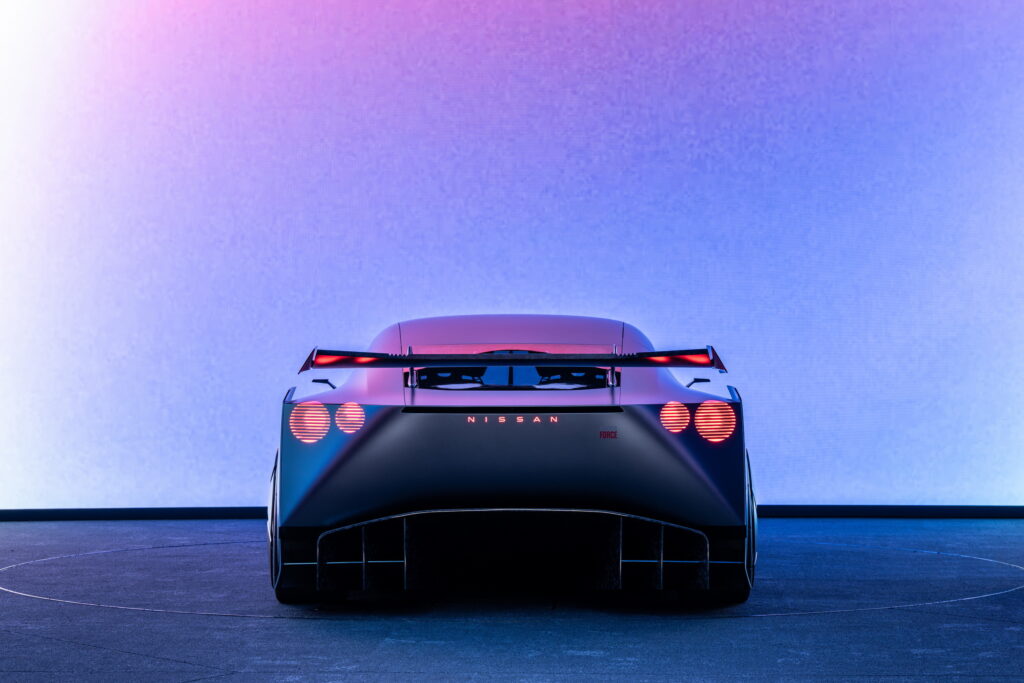

Nissan’s decision to abandon a fully electric GT-R in favor of a hybrid is a pragmatic step that takes into account both the current state of the market and technological limitations. The company does not want to repeat the mistakes of other manufacturers who released expensive electric vehicles that failed to find mass demand. The hybrid V6 will allow preserving the DNA of the GT-R, providing the necessary performance and engine sound, while simultaneously meeting modern environmental regulations. This shows that Nissan is carefully analyzing the market and is ready to wait for a true breakthrough in battery technology before making the GT-R fully electric.