


New Nissan plan: focus on affordability and the role of sedans
Nissan is defining its strategic directions for the future, where artificial intelligence will play a key role, and new models will include ICE vehicles, electric cars, and hybrids. A completely new Rogue and an updated Juke are expected. Some future cars will move into the premium segment, however, the manufacturer states it is not abandoning budget offerings.
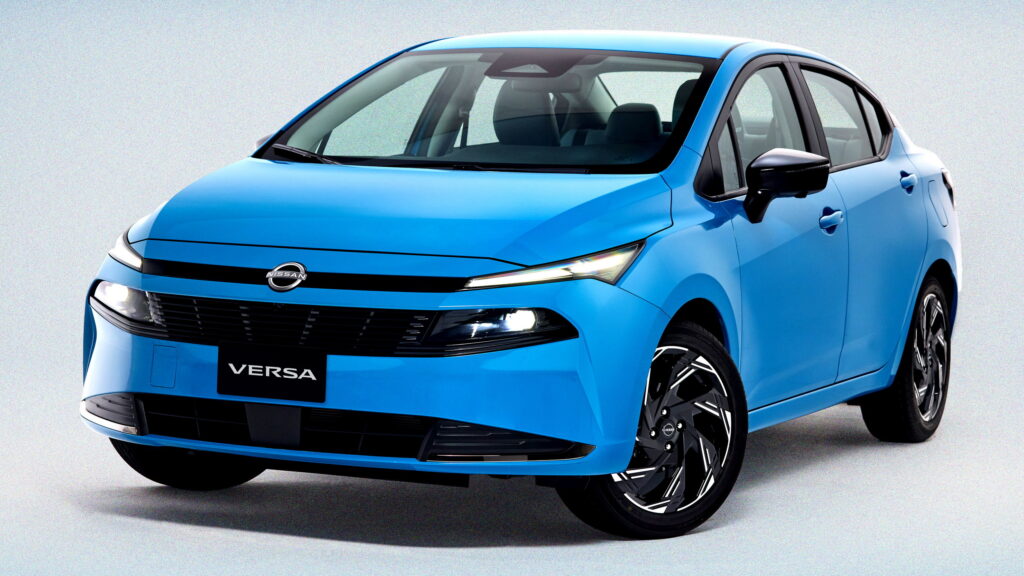
This position has an important clarification. Nissan CEO Ivan Espinosa notes that demand for ultra-affordable cars, such as the $18,000 Versa, which was discontinued in the US in 2025, remains high. The company has already introduced the new Versa, manufactured in Mexico, but it will not reach the American market.
During the presentation of the ambitious comeback plan, Espinosa explained that, despite interest in such models, their production under current economic conditions is a challenging task.
I believe the market for ultra-affordable cars exists, and we still see demand. But the context makes the situation very complicated; previously it was a question of tariffs. Demand exists – the question is how to reach the right price.
The future of sedans in the Nissan lineup
The executive also expressed confidence that sedans, despite the overall decline in demand, still have their place in the automotive market. This is happening against the backdrop of discontinued sales of old models like the Versa and Maxima in the US, as well as the upcoming discontinuation of the current Altima.
I think there is still a place for sedans. The Sentra is a very good product, and it has also moved up. Thus, it occupies the lower part of that segment where the Altima used to be. So we continue to monitor the market. Perhaps something at the level of or priced below the Kicks would make sense. But, looking at today’s context, the tariffs that are in place slightly complicate the implementation of such a program.
Thus, Nissan faces difficulties in balancing the demand for affordable cars with economic realities, including tariff restrictions. The company is exploring opportunities to fill the budget segment, but this requires careful analysis and, possibly, new approaches to production and logistics. In parallel, the brand is trying to maintain body style diversity in its portfolio, adapting the positioning of existing models to changes in market preferences. The success of this strategy will largely depend on the global economic situation and trade policies.