


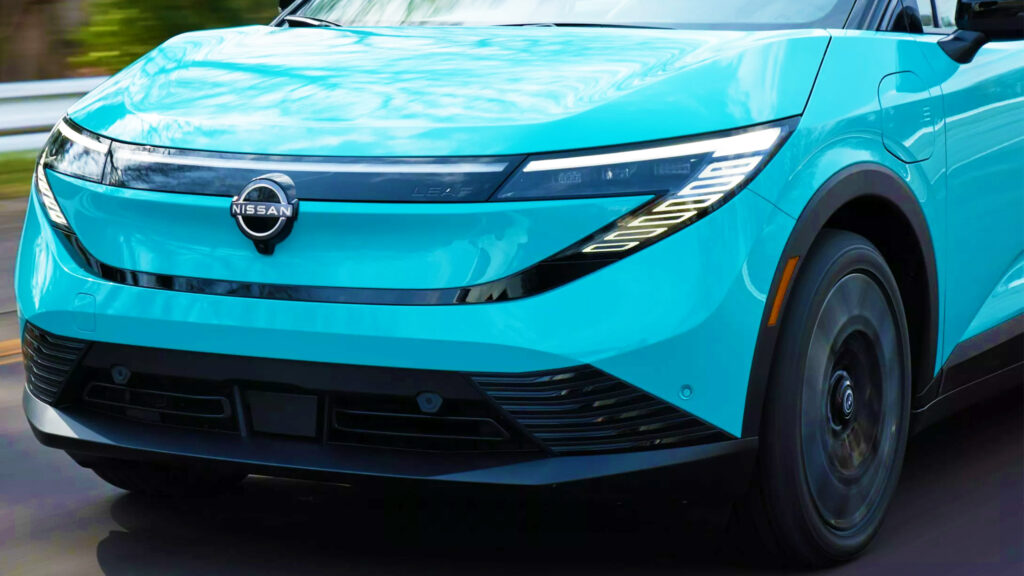
New Budget Nissan Leaf S Version Will Not Appear in 2026
Last September, it became known that Nissan was preparing a new, more affordable version of the Leaf electric car for the 2026 model year for the US market, which was to be called the Leaf S. This model was expected to cost only $25,360, significantly cheaper than competitors, which would have made the electric car accessible to a much wider range of buyers.
Unfortunately, this model is nowhere to be seen, and it may have been canceled entirely. Last week, Nissan confirmed that the base Leaf S version will not go on sale this year as originally planned. The company stated that the car has not been canceled, at least at this stage, but there is no guarantee that it will ever see the light of day.
Nissan continuously evaluates market trends, customer preferences, and the development of the electric vehicle segment to ensure we focus our resources where they create the greatest value. As part of this process, we have decided not to introduce the 2026 Nissan LEAF variant with a smaller battery to the US market this model year.
A company representative added that Nissan remains committed to delivering the right products at the right time and that they will continue to evaluate future battery configurations based on customer demand and segment needs.
Technical Features and Reasons for the Delay
The Nissan Leaf S was to receive a 52 kWh battery pack, significantly smaller than the 75 kWh pack of other models. Official range figures were not announced, but they would likely have dropped to just over 200 miles. This would be sufficient for some drivers but undoubtedly insufficient for those planning long trips. Existing Leaf models have a range of 288 to 303 miles (463 to 487 km).
Although Nissan did not name a specific reason for the Leaf S delay, citing general market trends and “the development of the electric vehicle segment,” the model’s financial viability is likely also affected by import tariffs it would be subject to due to its Japanese origin.
This situation well illustrates the challenges manufacturers face when trying to launch extremely affordable electric cars in competitive markets like the US. In addition to technical aspects such as range, the final price and viability of a model can be significantly influenced by political and economic factors, including customs policy. Nissan’s decision to postpone or reconsider the launch of the Leaf S indicates that the company is trying to find a balance between affordability, technical characteristics, and economic feasibility in the rapidly changing electric vehicle market.