


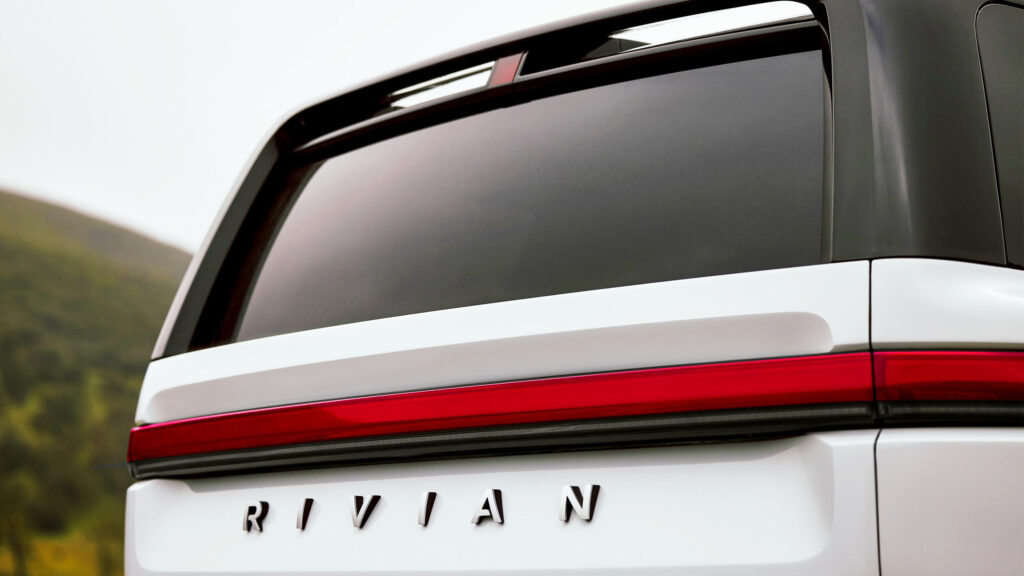
Rivian R2 on the Way: Production Has Begun
If the R1S and R1T models gave life to the Rivian brand, the upcoming compact R2 crossover will be the vehicle that determines whether the company flourishes or remains a niche player forever. This decisive moment is approaching: the first customers can receive their R2s as early as June this year, thanks to the rapid expansion of Rivian’s production facility in Normal, Illinois.
This car will be a turning point for the electric vehicle startup. The model’s success could solidify Rivian’s status as a serious mass-market manufacturer in the USA. In case of failure, the brand will likely remain in its niche permanently.
R2 production has been launched in a new 2.6 million square-foot section of the plant, and the first validation vehicles have already rolled off the assembly line. These are not pre-production prototypes but cars that meet series production standards. They will help refine key manufacturing processes before Rivian begins full-scale production for customers.
As reported by WGLT, Rivian’s new production center was built in just 11 months. At full capacity, the site will be able to produce up to 215,000 vehicles per year, including 155,000 units of the R2 model.
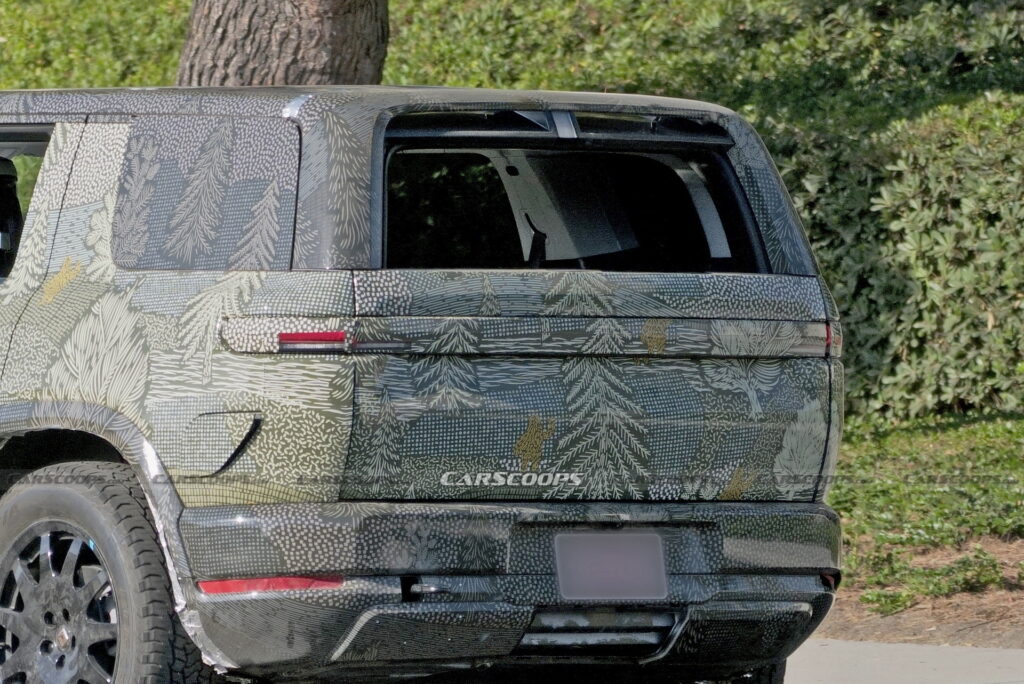

Changed Plans and Technical Details
Initially, Rivian did not plan to produce the R2 in Illinois. During the crossover’s announcement in early 2024, the company stated it would be assembled at a future $5 billion plant in Georgia. However, that site is still in the early stages of development, with large-scale construction set to begin only later this year. If plans are realized, it will be able to produce up to 400,000 vehicles per year, primarily the R2 model and the future R3.
The manufacturer has not yet announced the final specifications for the R2 and will likely do so closer to the sales launch. When the SUV first appeared as a prototype two years ago, the company confirmed it would be built on an all-new midsize platform and would be offered in single-, dual-, and tri-motor configurations.
Some technical details are already known. The R2 will use 4695-type cylindrical battery cells, and its base version will provide over 300 miles (483 km) of range. The vehicle will also come with a built-in NACS port as standard equipment, giving it access to the Tesla Supercharger fast-charging network without the need for adapters or retrofits.
The Price Question
Perhaps the most important remaining detail is the price. Initially, Rivian projected a starting MSRP of around $45,000. This figure will be decisive if the company hopes to compete with the Tesla Model Y. Maintaining this price point could be key to making the R2 not just another “statement” car, but a truly competitive offering at the heart of the EV market.
The rapid pace of production deployment in Illinois indicates that Rivian is aware of the critical moment for its business model. The transition from expensive niche models to an affordable mass-market product is a classic challenge for automakers. The success of the R2 will depend not only on technical specifications but also on flawless quality, a reliable service network, and, of course, on whether the company can maintain the stated attractive price amid potential changes in component costs. The electric SUV market is becoming increasingly crowded, so each of these factors will be under close scrutiny from both investors and potential buyers.