 by
by New Nissan Wave Electric Hatchback
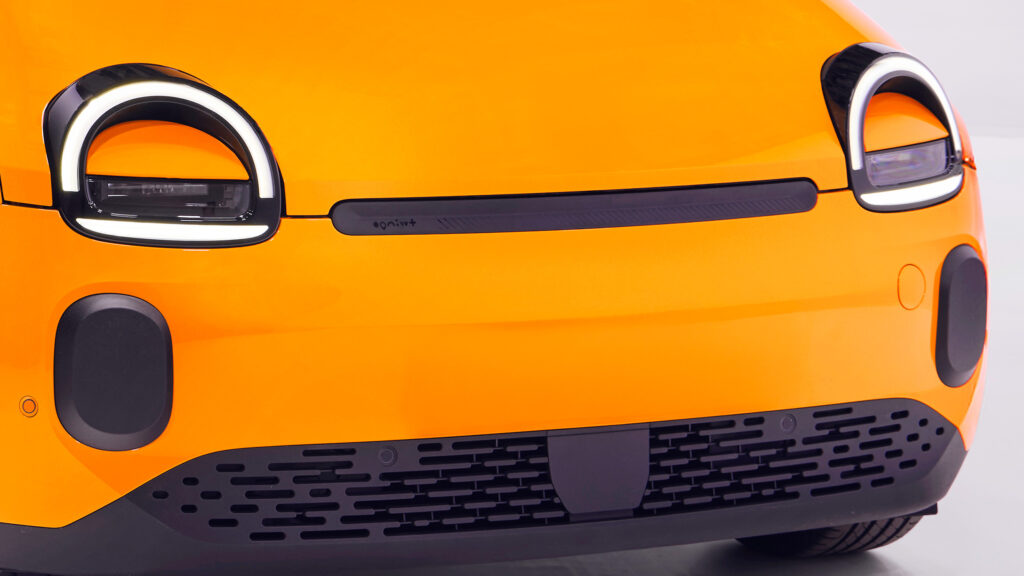
The Nissan company is preparing to launch a new compact electric car called the Wave. This model is reportedly set to occupy a place in the lineup below the electric Micra and will be built in Europe on a shared platform with the Renault Twingo.
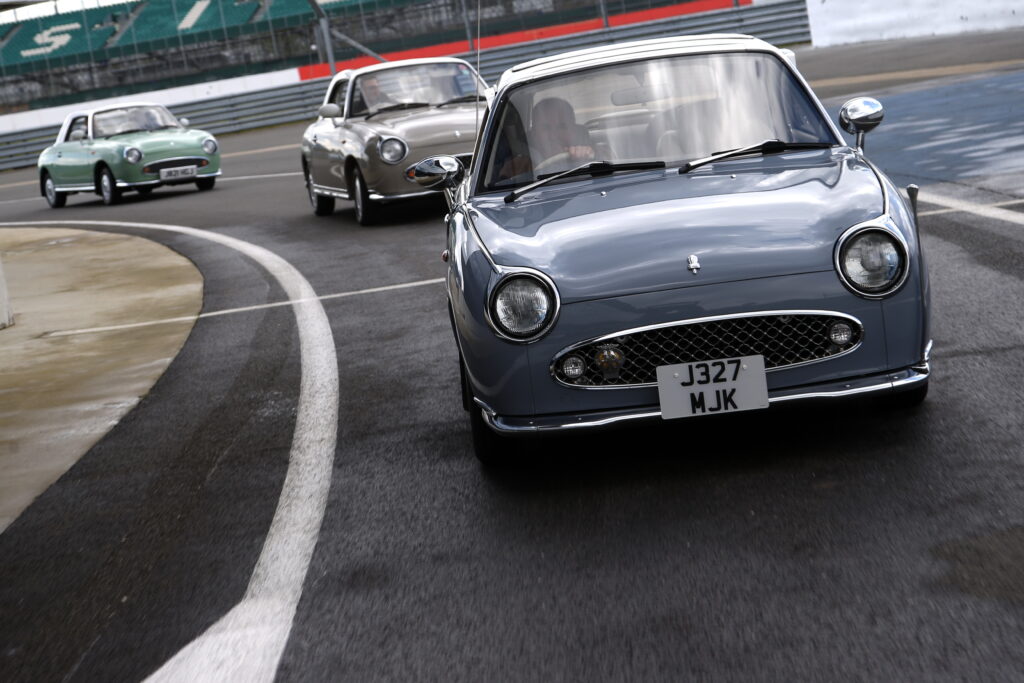
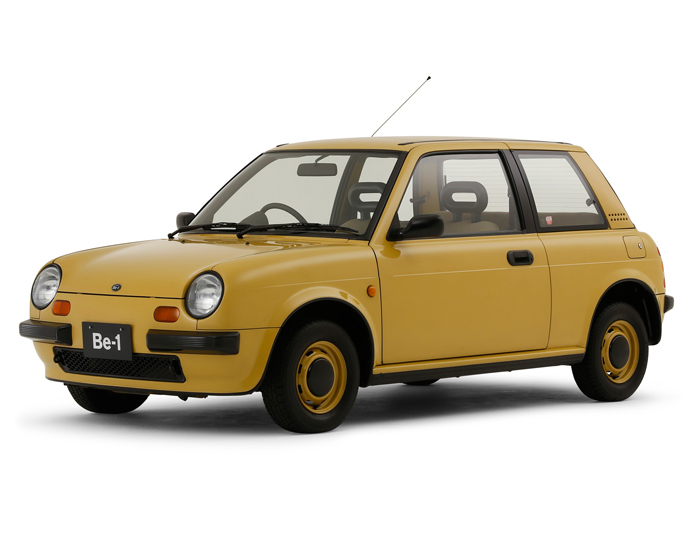
A key feature of the new hatchback is expected to be its design, inspired by Nissan’s iconic cars from the so-called “Pike” era of the late 80s and early 90s. This was the brand’s internal studio that created models unique to the Japanese market with a large dose of character, such as the Be-1, Figaro, Pao, and S-Cargo.
The Wave will convey the vibes of Nissan’s iconic 80s and 90s cars.
Technical Specifications and Market Position
Despite its retro exterior, technically the Wave will be virtually identical to its French “brother,” the Twingo. The car is expected to receive a 27.5 kWh lithium iron phosphate (LFP) battery, which will help reduce costs. The driving range will be approximately 262 kilometers.
This model does not claim to be a car for long journeys. Its primary target audience is young drivers living in cities. A key factor for its success is expected to be a starting price below £20,000.
Return to the Small Car Market
For Nissan, this will mark a serious return to the segment of the most affordable cars after the Pixo model was discontinued back in 2013. If the Wave truly combines a low price, practical range, and retro charm, it could prove that small cars can still be very popular.
However, the competition will be fierce. The newcomer will have to compete not only with its own “sibling” the Twingo but also with future models like the electric Volkswagen ID.1 (likely the ID. Up), as well as Chinese counterparts such as the BYD Dolphin Surf.
Collaboration with Renault allows Nissan to quickly and efficiently fill a gap in its electric portfolio using an already established technical base. This step also shows how automakers are increasingly turning to their history to find an emotional connection with modern buyers, especially in an era when electric powertrains can seem somewhat faceless. The success of the Wave could be a signal to other brands about the viability of small, affordable, and characterful electric cars in the European market.