 by
by New spy photos show the Porsche Panamera testing an updated version. The car will receive new optics and radar equipment. This comes against the backdrop of the classic internal combustion sedan continuing to significantly outsell the electric Taycan. Hybrid versions remain the backbone of the Panamera model range.
Updates for the 2028 Model
Despite the arrival of a faster and more refined Taycan, the Panamera is not about to give up its position. On the contrary, the car continues to sell successfully, so the company is preparing a mid-cycle facelift for it. The current generation Panamera debuted back in 2016, and an update in 2027 will be quite timely.
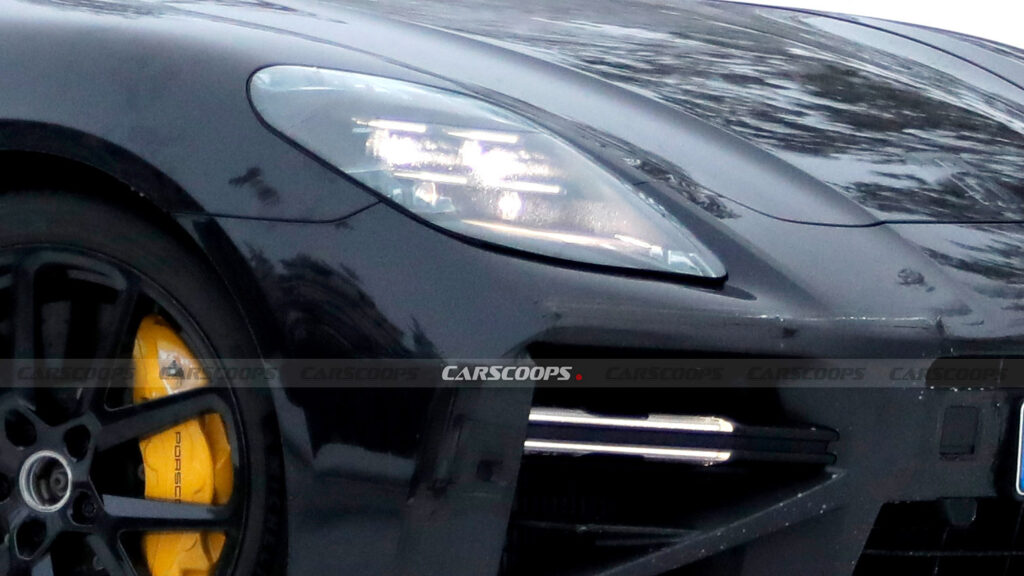
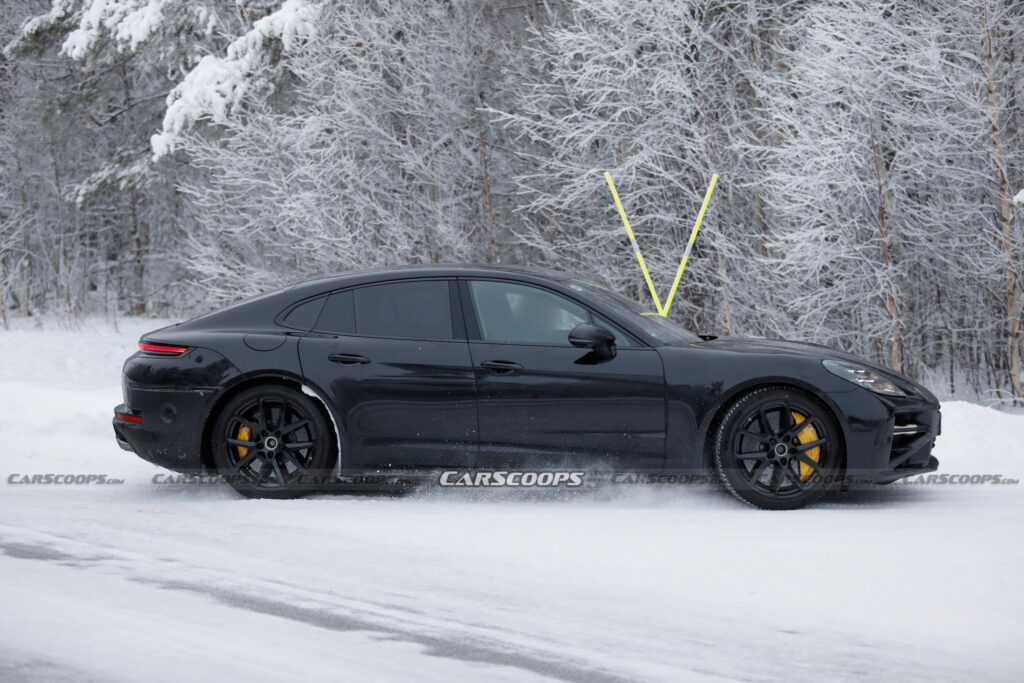
The first camouflaged prototypes are already undergoing testing in harsh Scandinavian conditions. The changes will affect the front end: engineers have slightly redesigned the bumper, but the main visual news is the LED optics. The Porsche light logo is now positioned not in the center of the light units, but on their inner edge, giving the car’s appearance a sharper and more modern look.
The windshield has also been updated, now incorporating new radar equipment borrowed directly from the electric Macan. The rear, hidden under camouflage, will also receive an updated bumper and diffuser.
Advantage of Hybrids and Sales Dynamics
It is interesting to note that the Panamera has essentially swapped roles with the electric Taycan. The latter may be faster on paper, but in 2025 it faced a 22% drop in global sales, linked to a cooling of enthusiasm for luxury electric vehicles. Porsche’s overall sales fell by 10%, yet demand for the Panamera decreased by only 6%.
Even more telling is that nearly 70% more Panamera units were sold than Taycans. The reason is simple: buyers love hybrids. Although Porsche has not yet confirmed the powertrains for the updated model, it is unlikely that anything will change drastically compared to the current lineup. At the same time, the arrival of a hot version inspired by the GT3 RS is expected.
Power and the Model’s Future
To recall, the current lineup starts with a base model featuring a 348-horsepower (353 PS) V6 engine. Next is the GTS version with a 493-horsepower (500 PS) V8, as well as three hybrid variants. The hybrid lineup ranges from the 463 hp (468 PS) Panamera 4 E-Hybrid to the flagship Turbo S E-Hybrid, which delivers 771 hp (782 PS).
They combine performance, comfort, and a sufficient level of electrification to feel future-oriented, without the charging anxiety inherent in electric vehicles.
The Panamera may never be as fast or as refined as the Taycan, but it wins where it matters most – in sales, and shows no signs of giving up ground. Demand for cars with traditional engines, especially in the premium segment, remains stable, indicating that the transition to electric vehicles is more gradual than might have been expected. The success of the Panamera’s hybrid versions underscores that many buyers are seeking a compromise between innovation and familiar comfort, avoiding the limitations associated with fully electric cars. This presents Porsche with an interesting strategic choice regarding the allocation of investments between its two parallel lineups.