



California Introduces a New Electric Vehicle Incentive Program
The federal electric vehicle tax credit in the U.S. has expired, but California, the largest EV market in the country, plans to maintain momentum with a new state initiative. Governor Gavin Newsom has outlined a new set of state-level incentives aimed at first-time EV buyers. This program is designed to fill the gap left by the cancellation of the federal credit.
However, the proposal excludes repeat discounts for those who already own an electric vehicle, limiting eligibility to newcomers only. The initiative, which still requires approval from state legislators, proposes an allocation of $200 million. According to the current draft, eligibility will extend to passenger electric vehicles priced up to $55,000 inclusive, as well as vans, SUVs, and pickup trucks with a starting price below $80,000.
Program Details and Eligibility Conditions
California has not yet confirmed the amount of each incentive. It is known that the policy will require automakers to match the state’s contribution dollar for dollar. Like the old federal tax credit, the incentives will be offered directly at the point of sale and will apply to new electric vehicles purchased or leased. Additionally, it is reported that there will also be incentives for used electric vehicles priced below $25,000.
Sarah Swig, senior climate advisor to Governor Newsom, criticized the reduction in federal support. “The irresponsible retreat by the Trump administration has created unprecedented uncertainty for both automakers and families,” she said. “California is proud to partner with automakers who have committed to transitioning to a zero-emissions future through joint investments to lower costs and move the market forward.”

Expanding the Electric Vehicle Owner Base
According to a representative from the California Air Resources Board, limiting eligibility to first-time EV buyers will help expand the market by “introducing new consumers to ZEV technology.” Research shows that when consumers switch to zero-emission vehicles, they typically do not return to polluting gasoline or diesel cars.
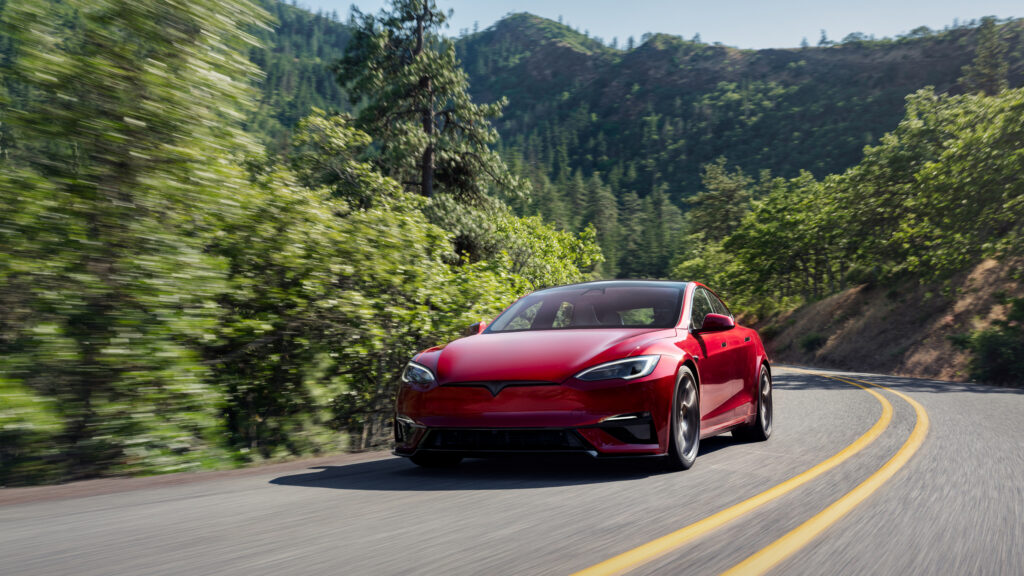
At the end of 2024, Governor Gavin Newsom presented his initial proposal for a new state EV subsidy scheme in response to the threat from then President-elect Trump to cancel the federal program. Newsom’s proposal at the time excluded Tesla vehicles, which quickly drew criticism from Elon Musk. Under the latest proposal, many Tesla models will be eligible.

This move by California underscores its role as a leader in environmental policy and the transition to clean technologies, especially against the backdrop of changes at the federal level. The focus on “newcomers” may spark debate among existing EV owners but indicates a strategic goal to significantly expand the overall user base. The success of the program will largely depend on the final details agreed upon with legislators and the willingness of automakers to support its terms. It also demonstrates how individual states can initiate their own policies to advance climate goals when federal support wanes.