


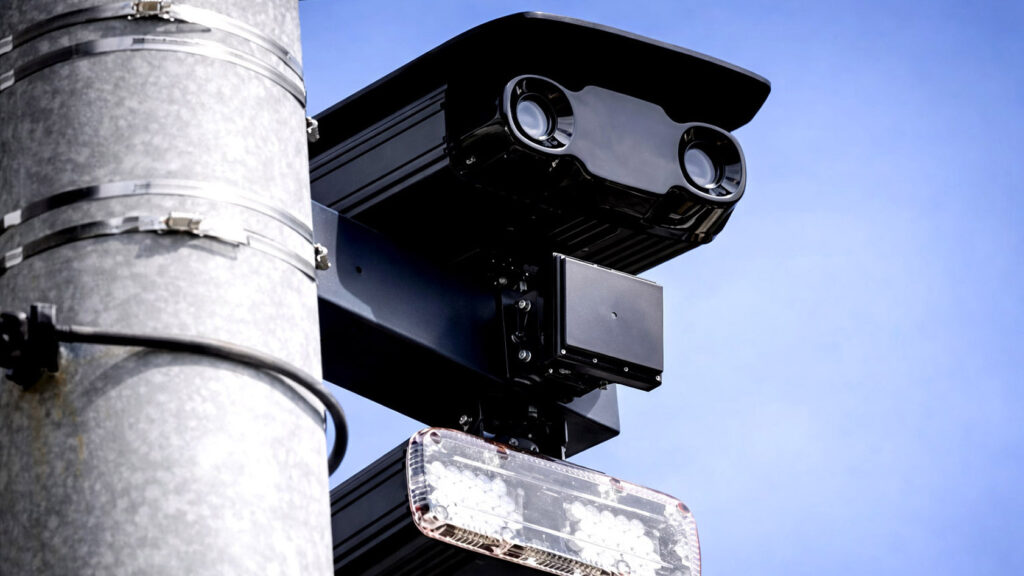
Start of Automated Fining in Los Angeles
Starting in 2026, driving in Los Angeles will become even more stressful. The city is beginning the implementation of up to 125 speed cameras. This initiative, along with other recent changes in California legislation, indicates that driving a car is now under powerful control. Such steps are a logical reaction to the rapid increase in the number of fatal accidents in the state.
The AB-645 law, passed in 2023, allows cities like Los Angeles to install speed control cameras. San Francisco already has several such devices, Glendale has nine, Oakland and Long Beach are working on expanding their own programs, but Los Angeles will surpass them all in scale when the system is fully operational.
How the Fine System Will Work
The cameras are part of a five-year speed safety pilot program. According to officials, the system targets “high-risk zones,” such as school zones, parks, construction sites, senior centers, and busy commercial thoroughfares.
The technology works similarly to red-light cameras. A vehicle exceeding the speed limit is captured on camera, and a fine is mailed to the registered owner of the vehicle, regardless of who was behind the wheel at the time of the violation.
The fine system is similar to those in other states. Exceeding the speed limit by 11-15 mph will automatically result in a $50 fine. For those driving 16-25 mph over, the fine will increase to $100. Exceeding by 26-99 mph will cost $200, and for those crossing the 100 mph mark over the posted speed limit, the fine will be $500.
New Severe Punishments for the Biggest Violators
Drivers caught by the California Highway Patrol exceeding the speed limit by over 100 mph will receive a fine that will automatically be forwarded to the Department of Motor Vehicles, regardless of the driver’s prior history. Following this, the DMV’s Driver Safety Office can independently review the case and assign a punishment, which may include suspension or revocation of the driver’s license, even before the court proceedings are completed.
According to state officials, the California Highway Patrol issues approximately 1,600 fines monthly to drivers exceeding the speed limit by 100 mph, totaling over 18,000 cases in 2024 alone.
Why Is This Happening Now?
All these measures are being implemented against the backdrop of state data indicating an increase in dangerous driving. The number of fatalities and serious injuries related to speeding and aggressive driving has increased by 52 percent since 2010. It is hoped that the new rules will be able to positively influence this statistic.
The implementation of a large-scale automated speed control system in one of the largest cities in the USA indicates a global trend towards strengthening traffic control through technology. This raises questions not only of safety but also of the balance between public good and private space, between the efficiency of automated systems and the right to personal consideration of a case. The success of such a program will depend not only on its technical reliability but also on public perception and trust in its operational mechanisms and appeal processes.