 by
by Michelin’s Smart Tires: How Artificial Intelligence is Changing the Approach to Tire Condition Monitoring
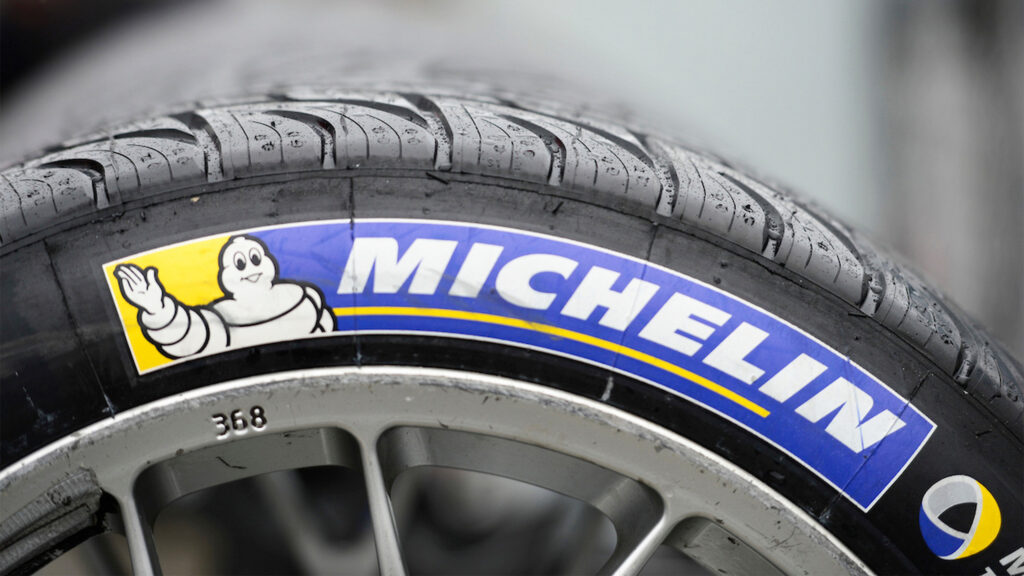
The world of automobiles is getting smarter, and now this even applies to tires. At CES 2026 in Las Vegas, Michelin will present a new line of tires that don’t just roll, but also “think.” Thanks to artificial intelligence, these smart tires are capable of independently monitoring their own wear and providing real-time feedback on their condition.
The new system, developed jointly with the technology firm Sonatus, is capable of analyzing vehicle signals, such as braking intensity, load, cornering forces, and other dynamic conditions, to provide accurate information about tire status.
Known as SmartLoad and SmartWear, this system could eventually replace conventional tire monitoring technologies. According to Michelin estimates, this change could lead to global cost savings of $1.68 billion by 2030.
Where is the Data Actually Stored?
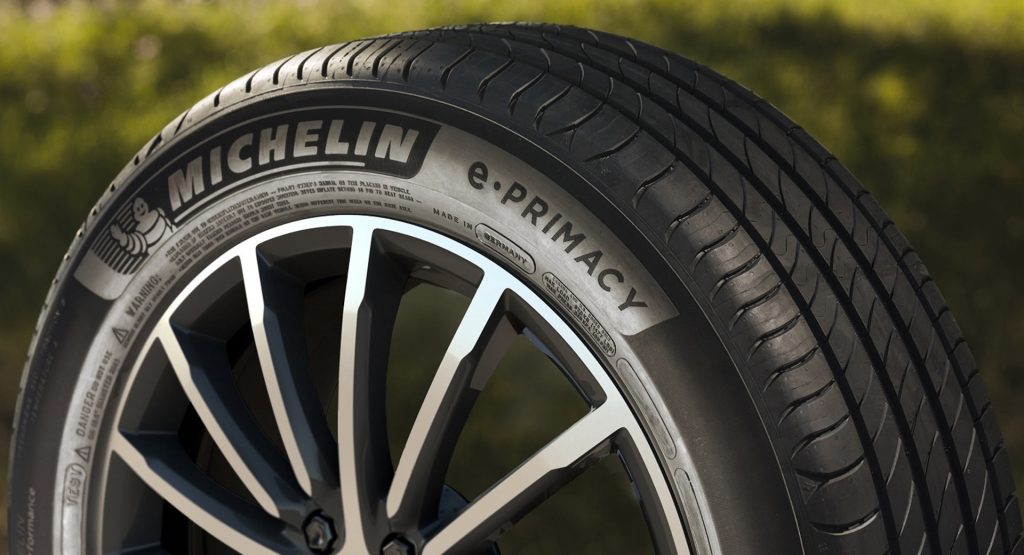
According to Michelin, the system works seamlessly with the Sonatus Collector artificial intelligence and can be configured for different types of vehicles with minimal effort. Importantly, all tire data is stored in the vehicle itself, not uploaded to the cloud. This solution is likely to appeal to both automakers and consumers concerned about data security and privacy.
“Michelin SmartLoad and SmartWear demonstrate how our expertise in tire physics and modeling transforms complex data into clear, predictive insights. These solutions help automakers and fleets extend tire life, enhance safety, reduce costs, and support sustainable mobility. Michelin SmartWear and SmartLoad are the first building blocks of a complete portfolio that will allow equipment manufacturers to have a digital twin of the tire in their vehicles.”
— said Ali Rezgui, Vice President of Michelin Tire Digital Twin.
Demonstration on a Retro Ford Bronco SUV
To illustrate how the system works in practice, Michelin and Sonatus will demonstrate the technology at CES using a 1970 Ford Bronco equipped with the smart tire system. Visitors will be able to view real-time tire condition information via the Michelin MyTires app.
Competition and Regulatory Challenges

Of course, Michelin is not the only tire manufacturer actively using cutting-edge technologies. Pirelli introduced its own Cyber Tire platform back in 2021. It collects much more driving data than traditional tire pressure monitoring systems and is even capable of detecting road surface conditions, including heavy rain.
However, this same technology has also created problems for Pirelli in the US due to national security concerns. The Chinese company Sinochem owns 37% of Pirelli’s shares, which has led to increased scrutiny of the company as the US seeks to limit Chinese involvement in connected vehicle systems.
New federal regulations will ban certain software starting with the 2027 model year, and hardware restrictions will take effect in 2030. If exceptions are not granted, vehicles equipped with Cyber Tire technology may soon face restrictions in the US market.
The emergence of technologies like Michelin’s SmartWear or Pirelli’s Cyber Tire clearly indicates that the automotive industry is entering a new era where even seemingly simple components like tires are becoming sources of valuable data and intelligent nodes. This opens up opportunities for increased safety, resource savings, and service personalization, but simultaneously raises new questions regarding control over this data, its security, and the impact of global political differences on the availability of technologies for the end consumer. The success of these innovations will depend not only on their technical excellence but also on the companies’ ability to find a balance between functionality, cost, and customer trust.