


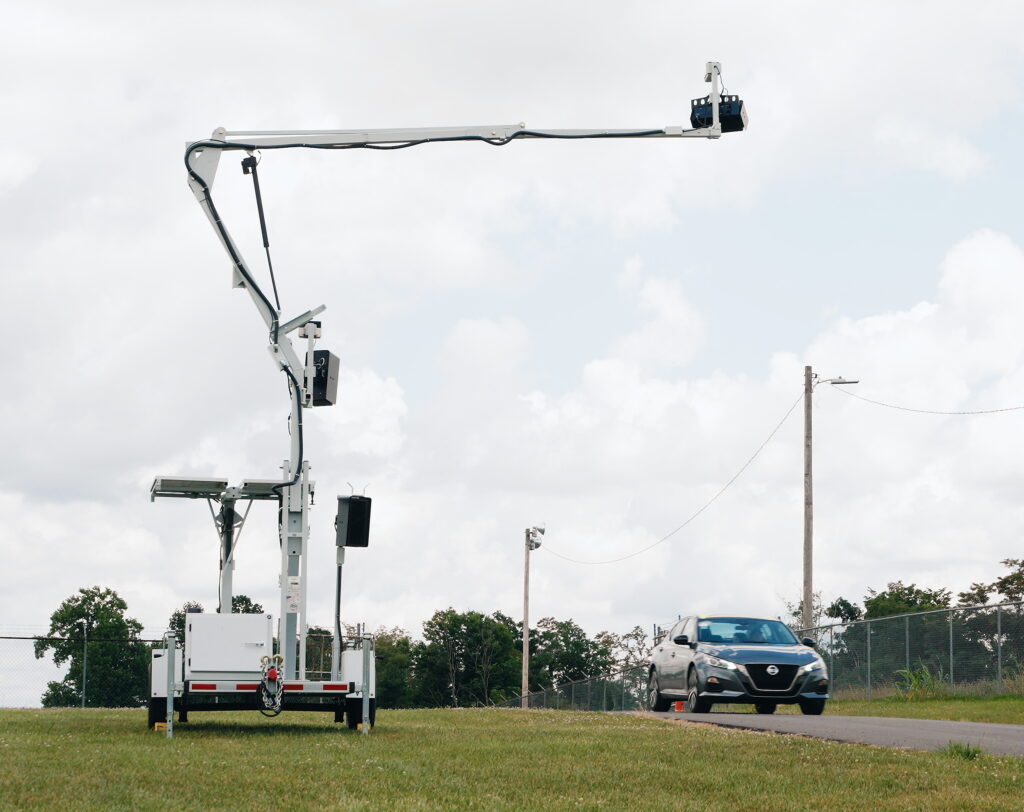
Mississippi Launches AI Camera System for Traffic Violation Enforcement
Mississippi, often ranking at the bottom of various national standings, has decided not to fall behind in adopting modern technologies. The state is launching a new program using artificial intelligence cameras to detect various traffic violations. Proponents of the initiative claim it will help reduce accidents, while critics call it another step toward creating a total surveillance state.
How the New System Will Work
The Mississippi Department of Information Technology Services board recently approved a contract allowing the Department of Public Safety (DPS) to lease mobile traffic enforcement systems from the company Acusensus. This is the same company used by neighboring Arkansas in its work zones.
The three-year, $2.052 million agreement is funded through federal grants. According to DPS, the trailer-mounted systems will be placed in high-accident locations, construction sites, and other areas where police cannot easily conduct traditional enforcement.
Camera Capabilities
The cameras can capture drivers holding phones, speeding, transporting unbuckled children in the back seat, and other violations at speeds up to 300 km/h without image blur. If the camera detects a violation, it sends the image and data to an officer further down the road so they can stop the vehicle.
Some lawmakers have expressed concerns about the technology. Specifically, State Representative Dan Eubanks noted:
AI-powered cameras that look into your car, analyze your actions, invade your privacy, and then signal an officer further down the road to stop you and issue a ticket or make an arrest in real-time. This is a very slippery slope with frightening implications.
He also added:
Every American citizen has a constitutional right to face their accuser. The question is: is that accuser some ambiguous AI designed to peer into your vehicle and at your lower body parts, or an officer who physically did not see the violation but now issues you a ticket or makes an arrest at the direction of this artificial intelligence?
Other Opinions and Perspectives
Other politicians show more trust in the current implementation of the system. State Senator Joey Fillingane stated that he has no objections as long as officers remain responsible for issuing citations. He added that he would oppose any future transition to fully automated tickets sent by mail. Regardless of the debates, drivers in Mississippi will now have to be even more vigilant on the roads.
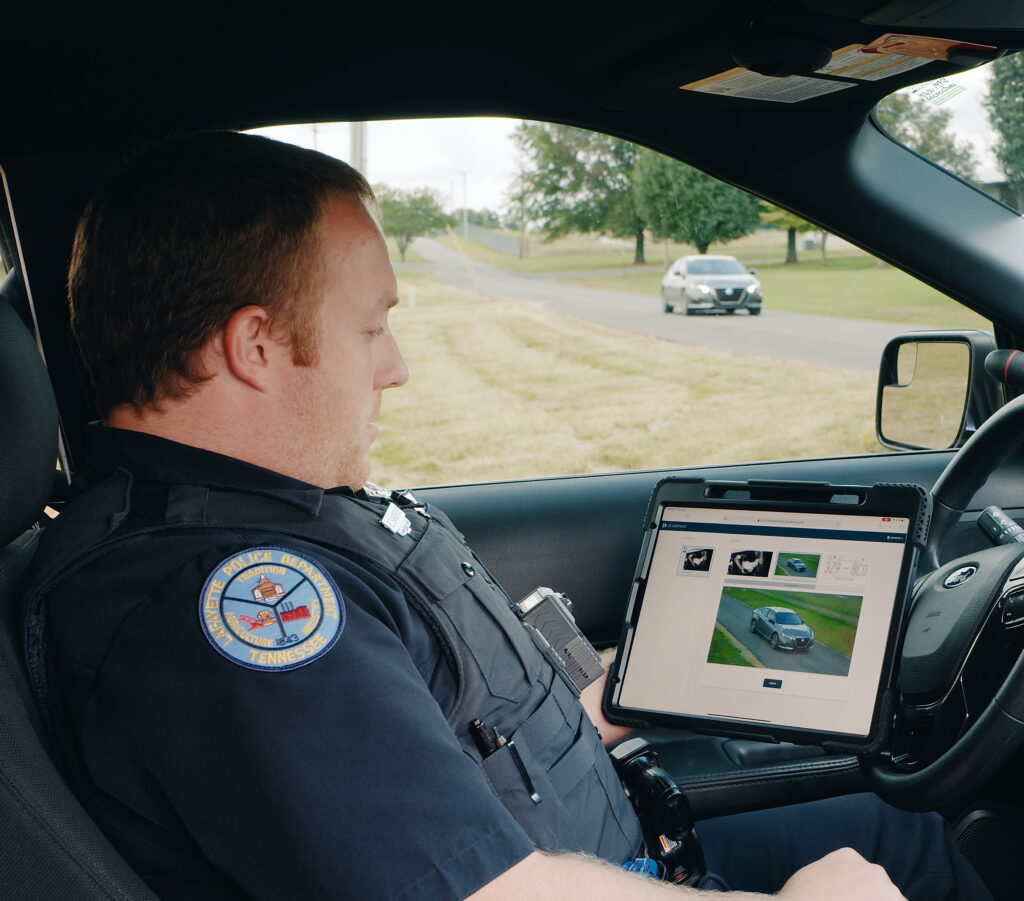

The implementation of such technologies in Mississippi is part of a global trend towards automating traffic enforcement. While proponents emphasize increased safety, questions of privacy and the legal aspects of using AI to record violations remain open. Importantly, the system currently does not provide for automatic ticketing — the final decision rests with a human officer. However, as experience in other countries shows, such limitations may be reconsidered in the future, sparking further debate about the balance between safety and civil liberties.