


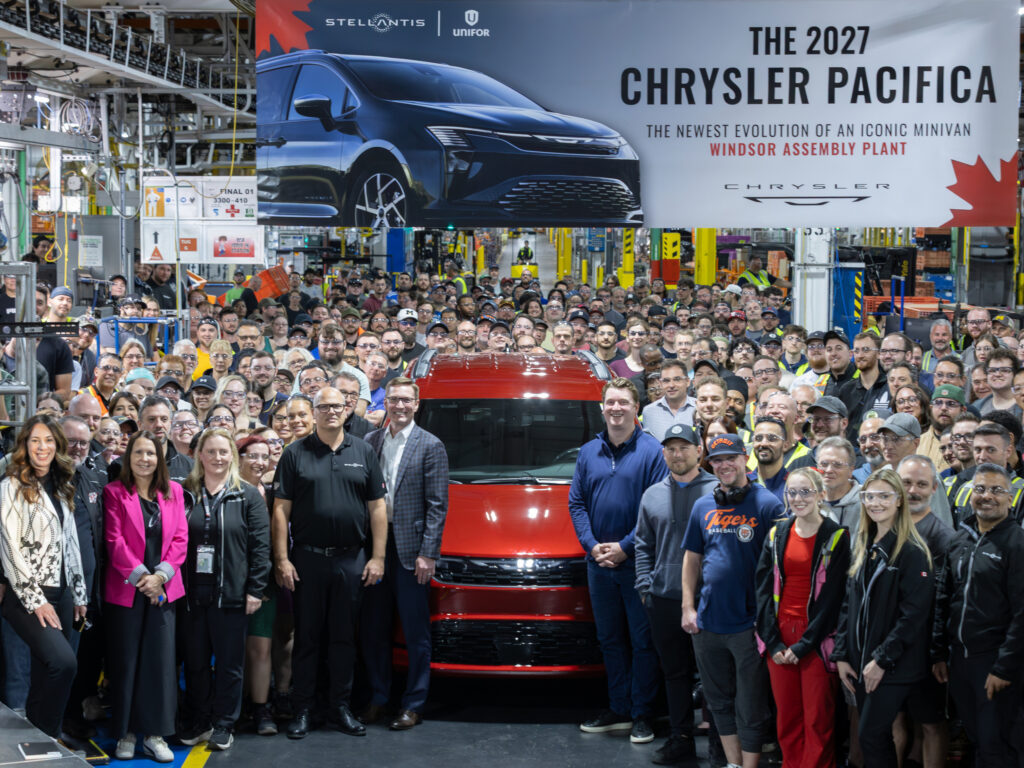
Trump wants to change the rules of trade in North America
The administration of US President Donald Trump plans to significantly revise the United States-Mexico-Canada Agreement (USMCA), which came into force almost six years ago. Although Washington calls this agreement a “mutually beneficial victory for workers, farmers, and businesses of North America,” they now want to change it in favor of the United States.
New production requirements
According to four sources who spoke with Reuters, the administration wants to increase the required North American parts content from 75% to 82% to qualify for preferential treatment. This is a significant increase, but it does not seem impossible.
More: Washington is again reviewing automotive rules of origin as Trump questions the trade deal
However, there is an important nuance: at least 50% of this value must come from the United States. This is a radical change, as the current agreement requires only 40% or 45% “core parts” (depending on the type of vehicle) to be produced in high-wage countries such as Canada or the United States.
Consequences for Canada and Mexico
It appears the Trump administration is trying to lure automotive jobs away from Canada. This is not surprising, as relations between the two countries have significantly deteriorated, and they have imposed tariffs against each other during a dispute.
Reuters suggests that the US may first agree on revised trade rules with Mexico, “and then present them to Canada as a take-it-or-leave-it offer.” Additionally, the administration reportedly wants to keep some tariffs on Canada and Mexico even after a new agreement is reached.
This looks like a losing situation for Canada and Mexico, but the latter could win if our northern neighbors suffer the most. However, it is too early to say how things will turn out.
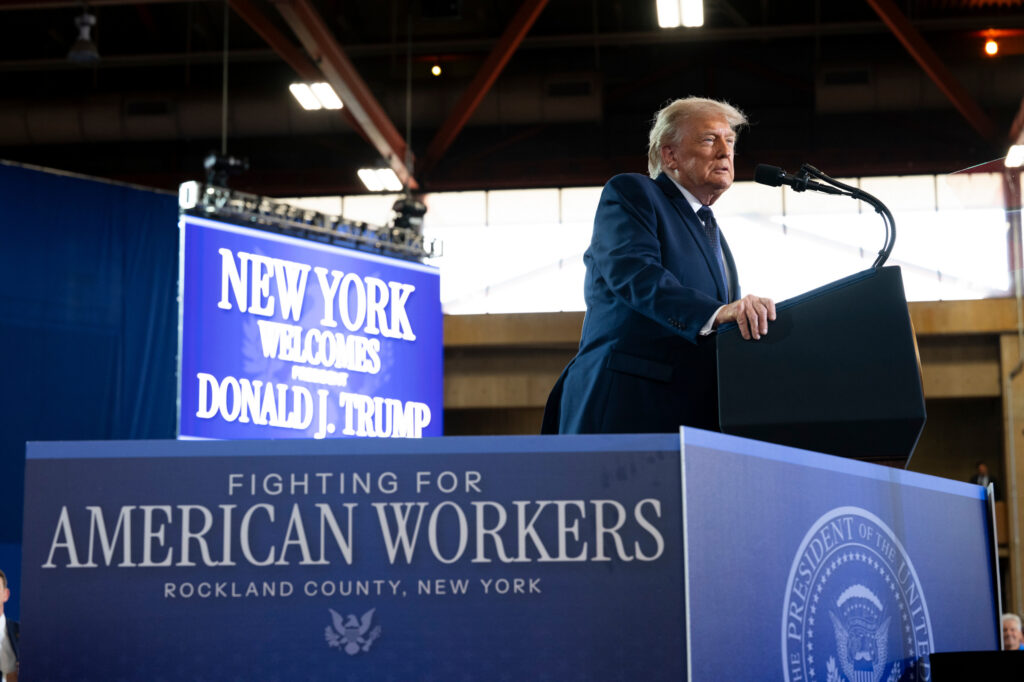

The White House
Impact on prices and consumers
Automakers are likely concerned about the drastic changes, and consumers should be cautious too. The Detroit News spoke with Sam Fiorani of AutoForecast Solutions, who noted that increasing the content of American parts will likely lead to higher prices and limited choice.
As he explained, “Mexico supplies many price-sensitive vehicles. Increasing the cost of these cars by using more expensive American labor will destroy their competitiveness in the US market.”
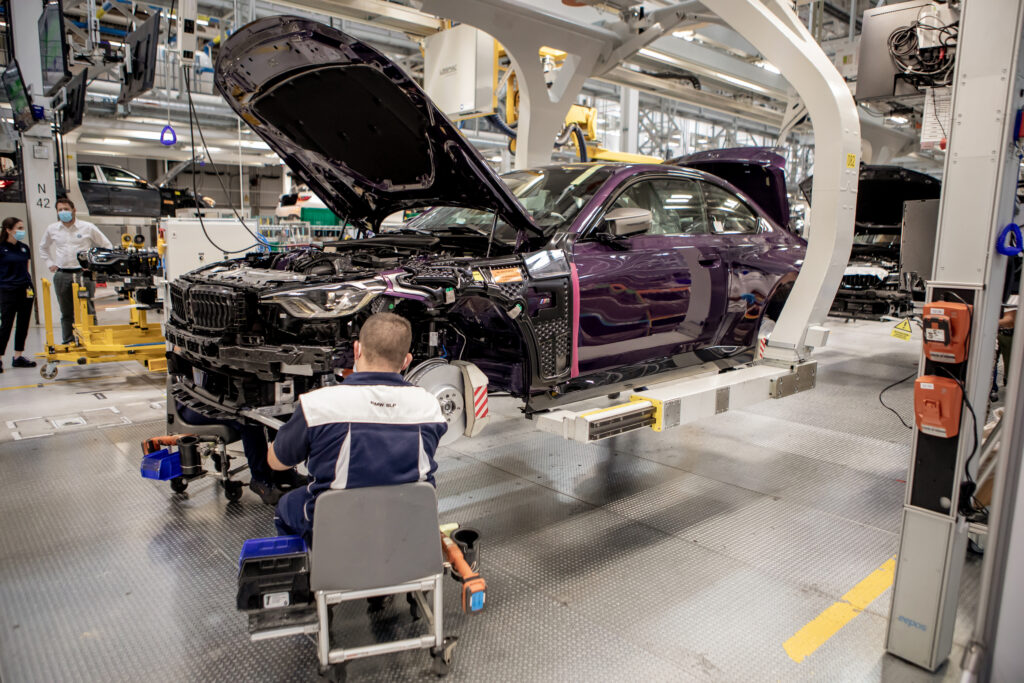

Such changes could significantly hit the pockets of American consumers, especially those buying budget cars. If producing cheap models in Mexico becomes unprofitable due to the new rules, automakers will be forced to either raise prices or move production to the US, which will also increase costs. At the same time, this could stimulate the development of the domestic automotive industry, but at the cost of increasing expenses for buyers. Negotiations are still ongoing, and the final outcome will depend on whether the parties can find a compromise that satisfies all market participants.