


New BMW M Ignite Technology: A Racing Solution for Production Cars
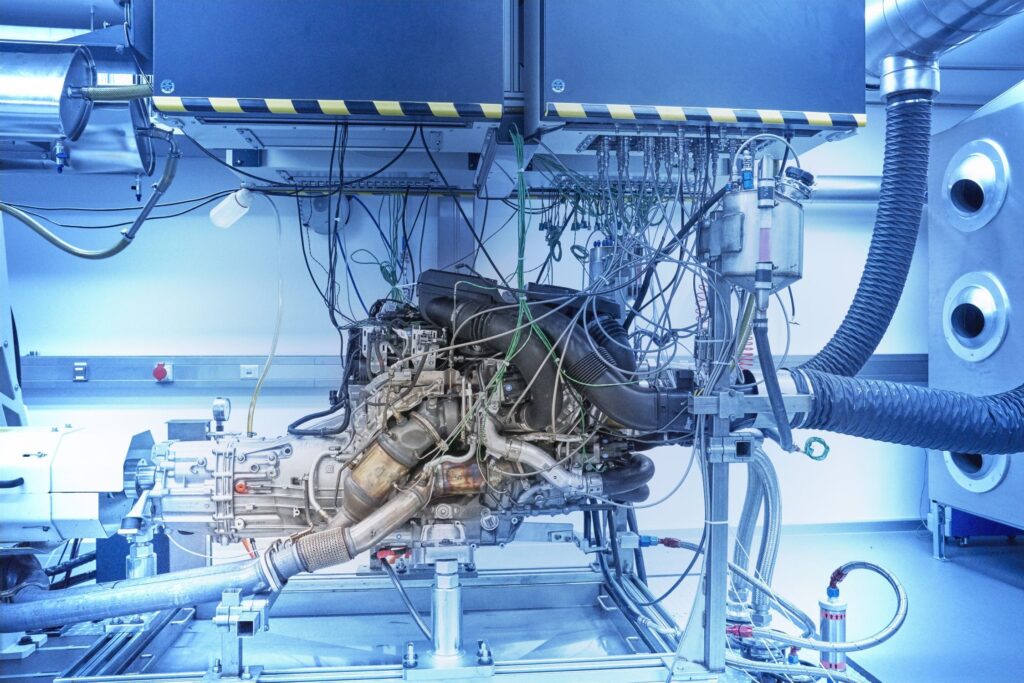
BMW M has introduced a new combustion technology that resembles solutions from endurance racing. And this is no coincidence — it genuinely originates from motorsport. Most interestingly, this system will appear in production cars quite quickly. Under the name BMW M Ignite, the innovation will debut on all six-cylinder versions of the BMW M2, M3, and M4 starting from the second half of this year.
How It Works: Dual Ignition and a Pre-Chamber
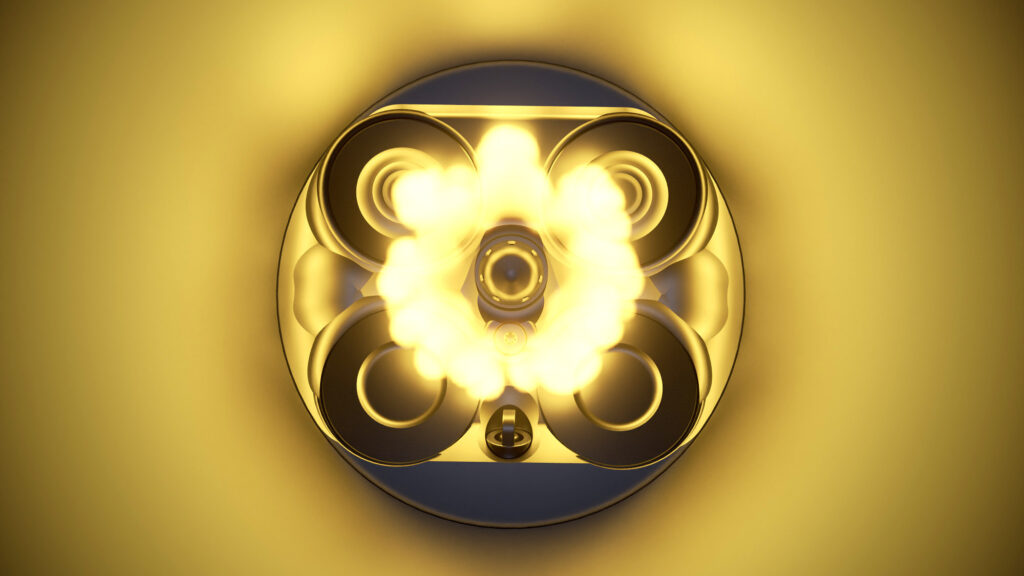
The essence of the technology lies in using pre-chamber combustion to improve fuel efficiency. The German automaker patented this system in 2024. The pre-chamber has its own spark plug and coil, effectively giving the engine two ignition systems.
The main goal is to reduce fuel consumption during intense track driving without altering engine power.
System Operation Details
The cylinder head in M Ignite engines features a small pre-chamber, which serves as an additional combustion space. Under low and medium loads, the engine operates almost like a conventional one. But when revs and load increase, the air-fuel mixture enters the pre-chamber, where a second spark plug ignites it.
According to BMW, the resulting flame shoots into the main combustion chamber through tiny holes at a speed close to the speed of sound. This ignites the mixture at multiple points simultaneously, significantly accelerating the combustion process and helping to suppress knock — one of the biggest issues in high-performance turbocharged engines. As an added bonus, exhaust gas temperatures are reduced.

Benefits for the Track and Environmental Standards
The technology provides the greatest advantages during prolonged high loads, especially during track driving. BMW claims that improved efficiency allows drivers to stay on the track longer using the same amount of fuel. Why has this become relevant now? Next year, the Euro 7 environmental standards come into effect in Europe, and this technology helps the brand meet the new requirements.
Not the First, but with a Different Approach
BMW is not the first automaker to introduce such technology on road cars. Maserati beat it to the punch with the Nettuno V6 engine, used in the Maserati MC20 and debuted in 2020. That engine also employs a pre-chamber combustion system inspired by Formula 1.
However, the approaches differ. Maserati focused on performance so that its 3.0-liter V6 would deliver supercar power. BMW, in contrast, chose a different path: engine displacement and power output will remain unchanged compared to previous versions.
Production and Dates
Production of the updated M3 and M4 will begin in July 2026, with the M2 joining them a month later.
This technology is an interesting example of how racing innovations are adapted for production cars, but with an emphasis not on increasing power, but on efficiency. Amidst stricter environmental regulations, manufacturers are seeking ways to preserve high-performance internal combustion engines, and the use of pre-chamber combustion could become one of the key solutions. Although Maserati has already paved this path, BMW’s approach demonstrates that such technology can be adapted for different purposes — from creating ultra-powerful motors to improving fuel economy without sacrificing dynamics. It also shows that even in the era of electrification, gasoline engines continue to evolve, utilizing the most advanced engineering solutions.