


Preparing for the Hyundai Ioniq 3 Debut
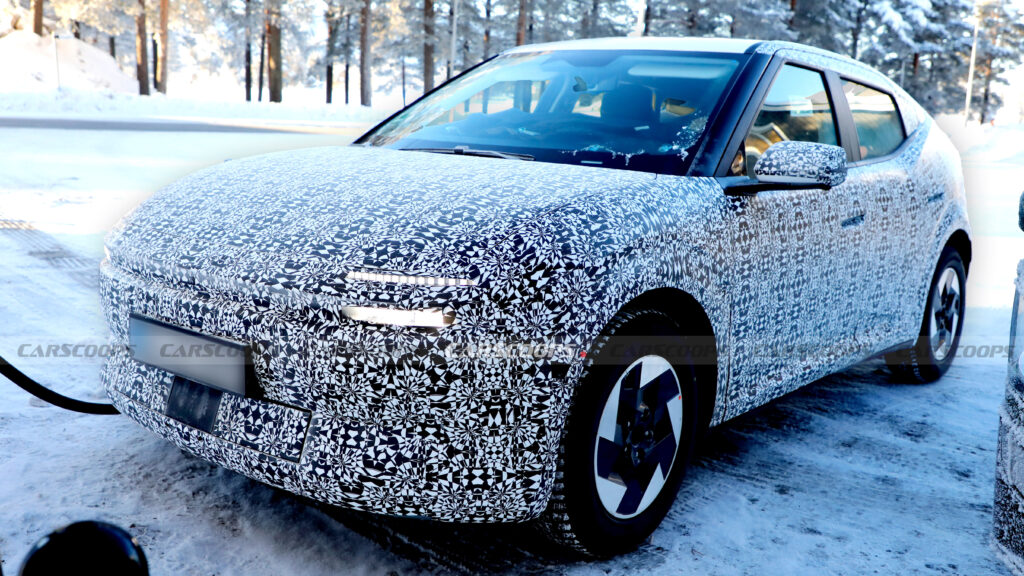
The world premiere of the Hyundai Ioniq 3 electric hatchback is scheduled for April, and the automaker is actively completing cold-weather testing of the vehicle. A heavily camouflaged prototype of the model was recently spotted in Europe.
The main expected features of the model include:
Design and Exterior of the New Model
The production model, whose concept was previously showcased by the Three concept, is a compact hatchback that stylistically echoes the Kia EV6 and Genesis GV60. The front end is likely to inherit traits from the larger Ioniq 9.
The front end is likely to inherit traits from the larger Ioniq 9.
The car features separate LED headlights with a pixel design, a central sensor, active air intakes, aerodynamic wheels, a raised window line, and a sloping roof.
Rear End and Interior
The rear of the body has a pronounced character line reminiscent of the Pontiac Aztek, an angular rear window, a spoiler, and a vertical section. The rear lights are also executed in a pixel style and connected by an LED light bar.
As for the interior, previous images have shown that the Ioniq 3 will get a compact digital instrument cluster and a new Pleos infotainment system based on Android Automotive OS.
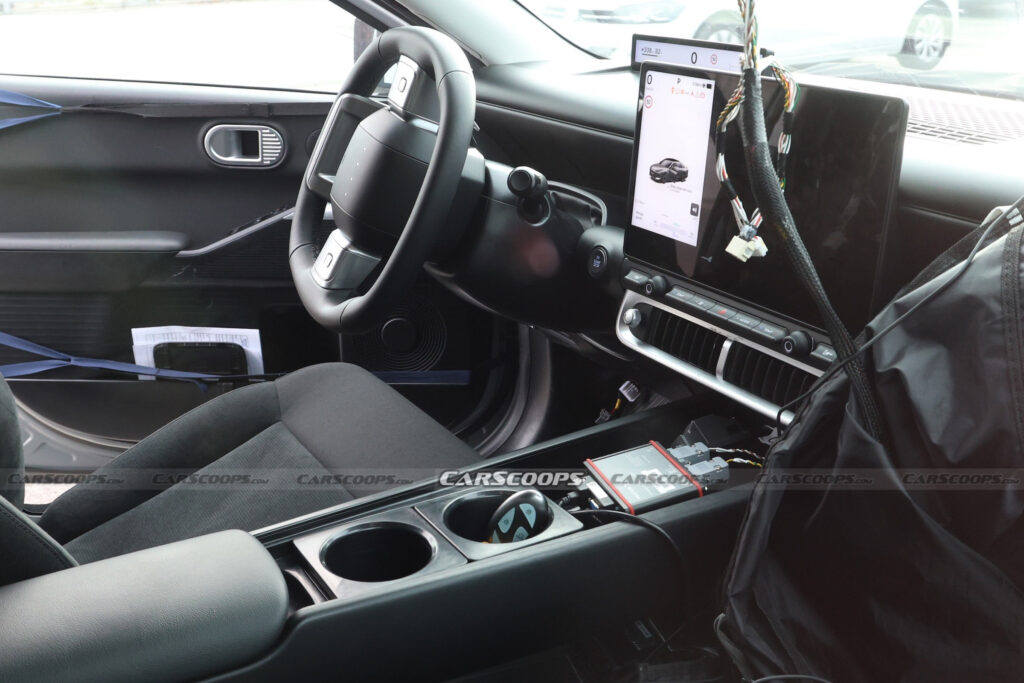

The new Pleos system promises “unique, customizable, and convenient features” with a smartphone-like interface.
In addition to the large display, the interior will feature rectangular air vents, separate climate controls, a substantial steering wheel, and metallic accents.
Technical Features and Platform
The Hyundai Ioniq 3, aimed at the European market, will be closely related to the Kia EV3 and EV4 models. All are built on the modular E-GMP electric platform.
Buyers will be offered a choice between 58.3 kWh or 81.4 kWh batteries. Power will be delivered to a front electric motor producing 201 hp (150 kW) and 209 lb-ft (283 Nm) of torque.
The arrival of the Ioniq 3 will significantly strengthen Hyundai’s position in the compact electric vehicle segment, offering an alternative to models like the Volkswagen ID.3. The focus on aerodynamics, modern technology, and modular architecture suggests the car will offer good efficiency and a competitive price. The model’s success in Europe could determine the brand’s future strategy regarding production localization or expanding the lineup for other markets.