


New Electric BMW M3 Recreates Sounds of Legendary Engines
BMW is preparing to enter the high-performance electric vehicle market with its new model based on the Neue Klasse architecture. The future electric M3, which may be called the i3M, will not replace the conventional internal combustion engine version but will be sold alongside it. BMW M engineers decided to borrow sound profiles from iconic models of the past to create a unique acoustic accompaniment for the electric car.
The main features of BMW’s approach are:
How the Sound for the Electric Car Was Created
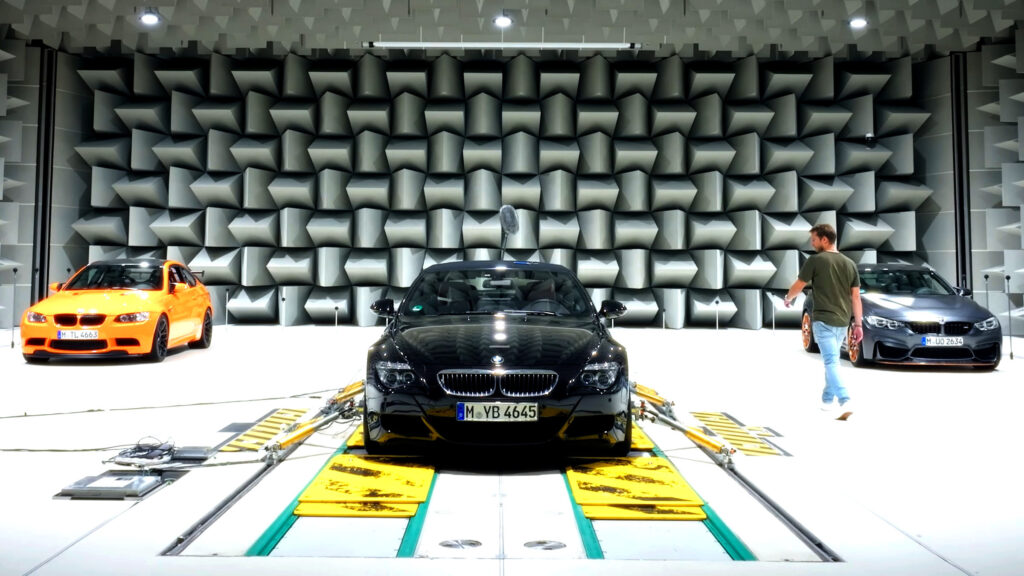
The development team approached the task fundamentally. Instead of relying solely on software, they recorded the actual sounds of engines on a dynamometer. For this, the following were used:
- BMW M3 GTS with a 4.4-liter V8.
- BMW M4 GTS with a 3.0-liter twin-turbo inline-six engine.
- A classic BMW M6 with the iconic 5.0-liter naturally aspirated V10.
These recordings were overlaid onto the electric prototype’s own sound. In the presented video materials, one can hear how during acceleration the sound resembles a turbocharged engine revving up, with the characteristic whistle of turbines and the high-frequency hum of the electric motor.
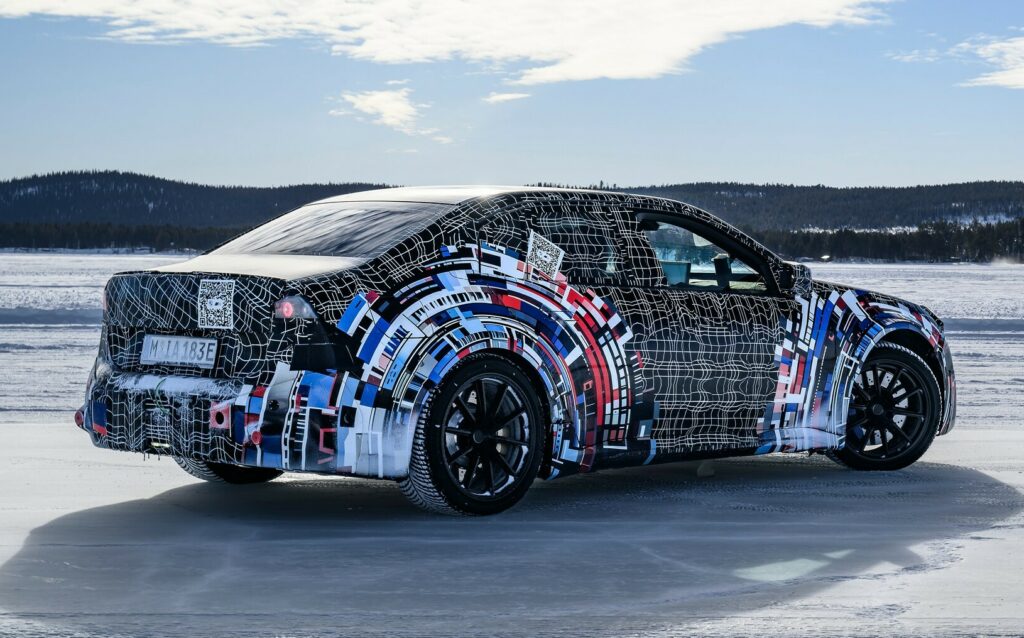

BMW M released the latest chapter in its video series detailing the development of the new super sedan, previewing the distinctive soundscape it plans to offer. Taking a page from Hyundai N’s playbook, BMW aims to replicate the sounds of some of its most iconic models, blending them with the unique tone of a high-performance EV.
Technical Specifications and Dynamics
To be a true M model, the electric sedan needs more than just impressive sound. The car will receive four separate electric motors (one for each wheel) and a 100 kWh battery pack designed for active track driving. This configuration will allow for advanced torque vectoring to improve handling and performance. An optional rear-wheel-drive mode is also planned. Final power figures have not been disclosed yet.
Simulated gear shifts, as in the Hyundai Ioniq 5 N and Ioniq 6 N models, are set to become part of the driving experience but will likely be optional and can be turned off.
The transition to electric vehicles for brands like BMW M is a complex challenge, as their identity is closely tied to the character of gasoline engines. Creating an acoustic accompaniment based on archival recordings is an attempt to preserve the emotional connection with the driver in the new reality. The success of this model will depend not only on the virtuoso imitation of the past but also on how well engineers can unlock the potential of the electric platform in terms of dynamics and handling, setting new standards for performance EVs. The parallel existence of the conventional M3 and the electric version will allow the brand to reach different groups of enthusiasts and gather valuable experience for future generations.