


Reaction to the Ferrari electric car
After the criticism faced by the Luce model, Lamborghini believes it made the right decision regarding electric vehicles. Their first electric car was supposed to appear in 2028, but they decided to cancel it. Additionally, Lamborghini abandoned plans to turn the next generation Urus into an electric SUV.
Ferrari unveiled the fully electric Luce on Monday, and the industry is buzzing about how big a disappointment it has become. The four-motor, four-door car somehow looks modern, standard, and outdated all at once.
More: The new Luce is so ugly that even the Chinese won’t copy it, says former Ferrari CEO
Lamborghini leader’s stance
Although the company is no stranger to questionable designs, the hatred for the Luce was intense and not entirely related to it being electric. The brand defended the car, but Lamborghini CEO Stephan Winkelmann couldn’t resist taking a light jab at it.
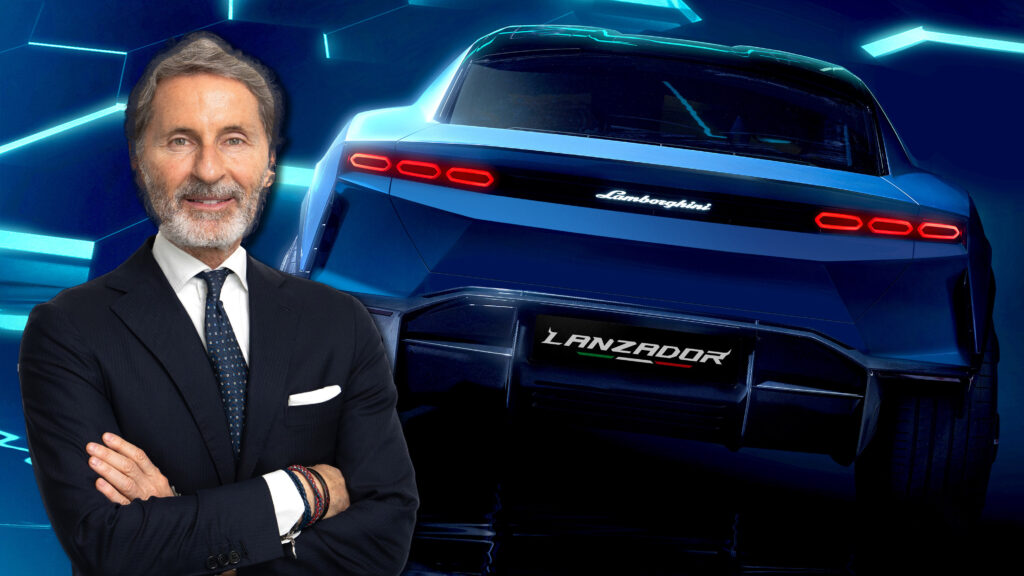
In a conversation with CNBC, Winkelmann hinted that the negative reaction to the Luce proved they made the right choice by canceling the Lanzador. As he explained, abandoning the electric car was “the right path,” but “every brand, every company has to decide for itself.”
“Every brand, every company has to decide for itself.”
The story of Lanzador and Urus
As you may remember, Lamborghini presented the Lanzador concept in 2023, and it was designed to showcase a future production model that was supposed to launch in 2028. However, the automaker decided to cancel this model earlier this year, as customer interest in electric versions was “close to zero.”
In addition to canceling the Lanzador, the company decided to abandon plans to turn the Urus into an electric crossover. As a result, the second generation of the model will be offered as a plug-in hybrid, and it is expected to appear around 2029.
Market strategy and conclusions
Although Winkelmann was careful not to speak directly about Ferrari or the Luce, he noted that “innovation is paramount,” but it cannot be forced on customers. He continued by giving credit to Lamborghini for being smart, watching the market, and seeing that EV adoption among their customers had not grown over time.
This led them to make difficult decisions and abandon electric cars in favor of plug-in hybrids. Lamborghini is far from the only company to do this, as Ford and Honda have canceled a number of EVs, while others have postponed plans to go fully electric.
This development suggests that even in the supercar and luxury SUV segment, demand for pure electric vehicles is not yet high enough to justify large-scale investments. Manufacturers like Lamborghini are choosing a more conservative path, focusing on hybrid technologies that allow them to reduce emissions without risking the loyalty of customers who value traditional internal combustion engines. This could become a long-term trend for brands where the emotional component and engine sound play a key role in the driving experience.