


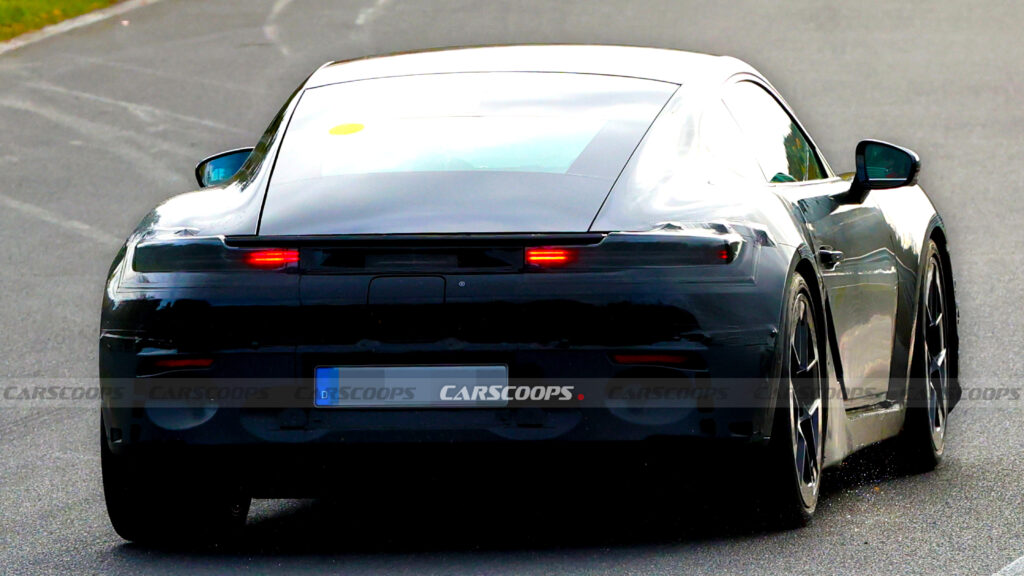
Porsche May Cancel Electric Versions of the 718 Boxster and Cayman
Porsche has been developing fully electric versions of the 718 Boxster and Cayman models for many years, even discontinuing production of the previous generation with internal combustion engines to clear the way for electric vehicles. However, despite such lengthy preparation, new reports suggest the company may cancel both models altogether before they even appear in dealerships.
The main reasons cited for the possible decision are:
New Leadership and Financial Pressure
Michael Leiters, the former CEO of McLaren, took over Porsche on January 1. According to anonymous sources, one of his first major decisions could be the complete shutdown of the electric 718 project due to rapidly rising development costs and repeated delays.
Porsche is under pressure to cut costs. This is related not only to the departure from the previous strategy but also to a sharp 26% drop in sales in China in 2025. It is reported that the brand is also considering adding a plug-in hybrid variant to the model lineup, which would require a new architecture and significant financial investment.


Such changes could cause further delays for the next generation of 718 models. If they ever do come to market, they may be technologically outdated at launch.
Predecessor’s Legacy and Market Difficulties
Leiters inherited a long “to-do list” from his predecessor Oliver Blume, who led Porsche for the past decade. The departure from the electric strategy, according to reports, cost the company 1.8 billion euros in operating profit last year. Additional complications were created by new tariffs in the USA, and recent market problems led to Porsche’s exclusion from the German DAX stock index.
A company representative, when asked for comment, declined to comment on “speculation” on the matter.
Timeline of Changes and Problems
The electric 718 Cayman and Boxster have already experienced several delays. In early 2025, Blume reported that Porsche had encountered problems with the supply of the required high-performance battery cells for these models, partly due to the bankruptcy of Swedish battery manufacturer Northvolt. Sales of the models were supposed to start this year, but now that seems unlikely.
Realizing that it cannot rely on just one direction, Porsche announced as early as September last year that the flagship versions of the next-generation 718 would be updated to include internal combustion engines in the lineup. This likely refers to replacements for the Cayman GT4, GT4 RS, and 718 Spyder RS.
Just a few months later, it became clear that ICE variants might become available not only for expensive flagships but also for a significantly larger part of the 718 model lineup.
The situation around Porsche’s electric sports cars clearly demonstrates how dynamic and unpredictable the modern transformation of the auto industry is. Plans built over years can be revised due to market changes, economic pressure, and technological challenges. It also shows that the transition to electric vehicles for niche, high-performance segments is particularly difficult, as the demands for dynamics and range are significantly higher here, and sales volumes are lower, complicating the return on large investments. The future fate of the 718 may become an indicator of how premium brands will balance innovation, tradition, and financial stability.