


New BMW M3: Gasoline and Electric in the Same Generation
BMW used the 24 Hours of Le Mans to unveil the electric M Neue Klasse concept. However, the next-generation M3 will not be fully electric.
In an interview, BMW M CEO Frank Van Meel confirmed that the next generation of the model will be offered with an updated 3.0-liter inline-six twin-turbo engine that meets Euro 7 environmental standards. This engine, announced last month, uses BMW M Ignite technology for cleaner and more efficient fuel combustion.
“Our M Ignite Euro 7 S58 engine, developed based on race technology, launches this year, so I can say it will continue to exist in our future M cars,” said Van Meel. He added: “It will not be hybrid, as we adhere to the principle of perfect combustion.”
Technical Features and Transmission
Nevertheless, the gasoline version of the next M3 will feature mild hybrid technology. However, it will not follow the path of the M5 and become a plug-in hybrid. This is good news, as the latter super sedan gained significant weight due to its massive 22.1 kWh battery pack.
Furthermore, despite previous reports, Van Meel hinted at the possibility of a manual transmission, saying: “We want to do it for the sake of driving emotions.” This should not be surprising, as the future model appears set to inherit the powertrain from the previous generation.
Electric Version and Future Plans
It is also reported that the future electric variant may not be called i3 M, as many expected. This could cause confusion, but the company likely wants people to know that the EV is a “genuine” M3. Speaking on this, Van Meel noted: “The EV will not just be faster in a straight line; it will be faster on the track as well.”
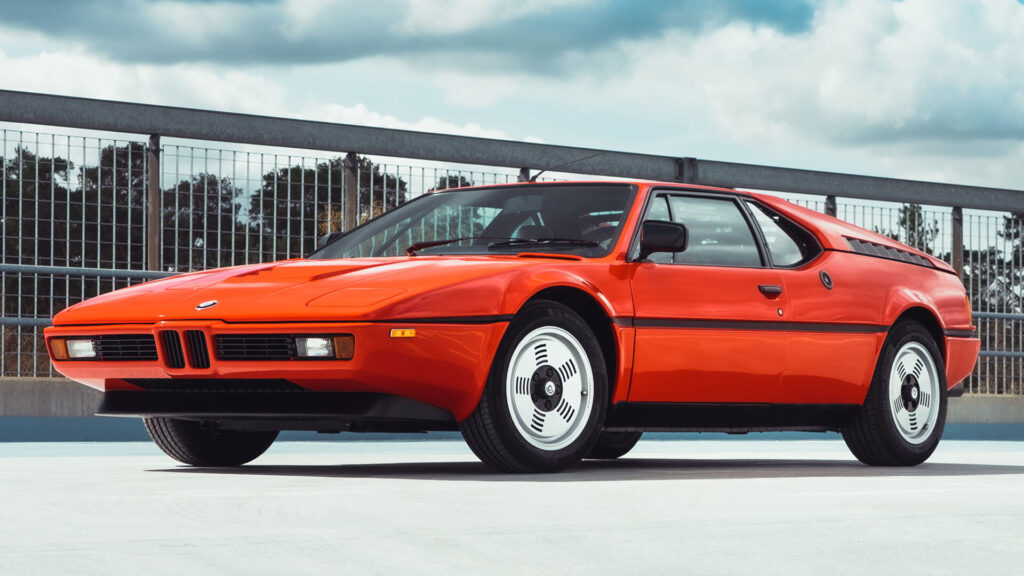
In addition to the next-generation M3, the executive revealed that they “dream” of an M1 successor, and a production model is “entirely possible.” However, he added that “you need to have manufacturing capacity” to build it.
Thus, the next-generation BMW M3 will be a unique phenomenon, offering a choice between a traditional internal combustion engine and an electric powertrain. The company deliberately avoids hybridization for the gasoline version, preserving a classic approach to performance, albeit with mild hybrid elements. This decision allows it to satisfy both fans of traditional engines and those seeking advanced electric technology. At the same time, the potential retention of a manual transmission underscores BMW M’s desire to maintain an emotional connection with the driver, which is becoming increasingly rare in the modern automotive world. Overall, BMW’s strategy appears balanced: a gradual transition to electrification without abruptly abandoning proven solutions, allowing the company to preserve its identity amid change.