 by
by At the New York Auto Show, Hyundai presented the Boulder concept, but the real sensation lies deeper. This presentation is merely the tip of the iceberg, behind which stands a strategic plan to enter the key segment of full-size pickups for the American market.
Concept as a Roadmap
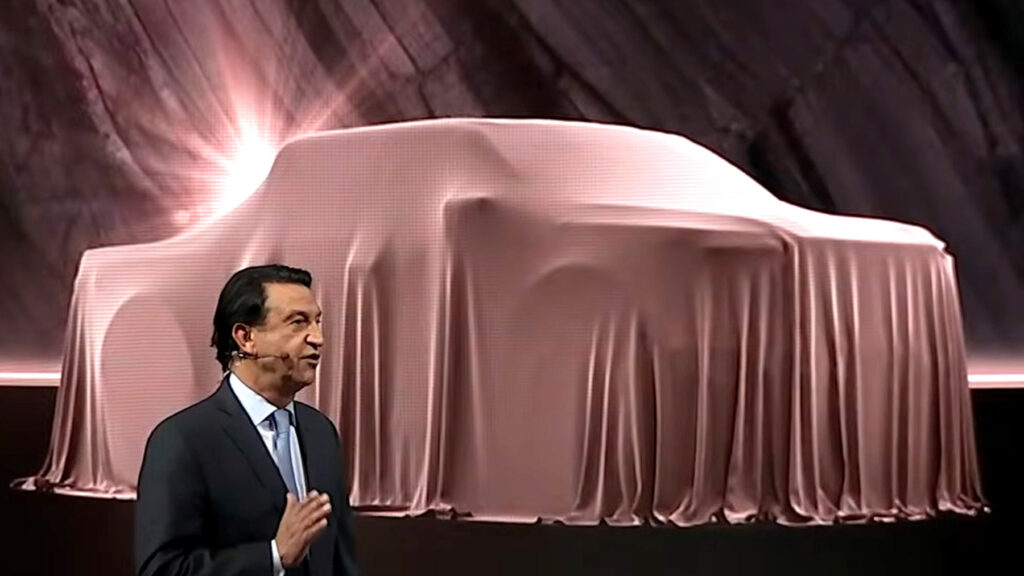
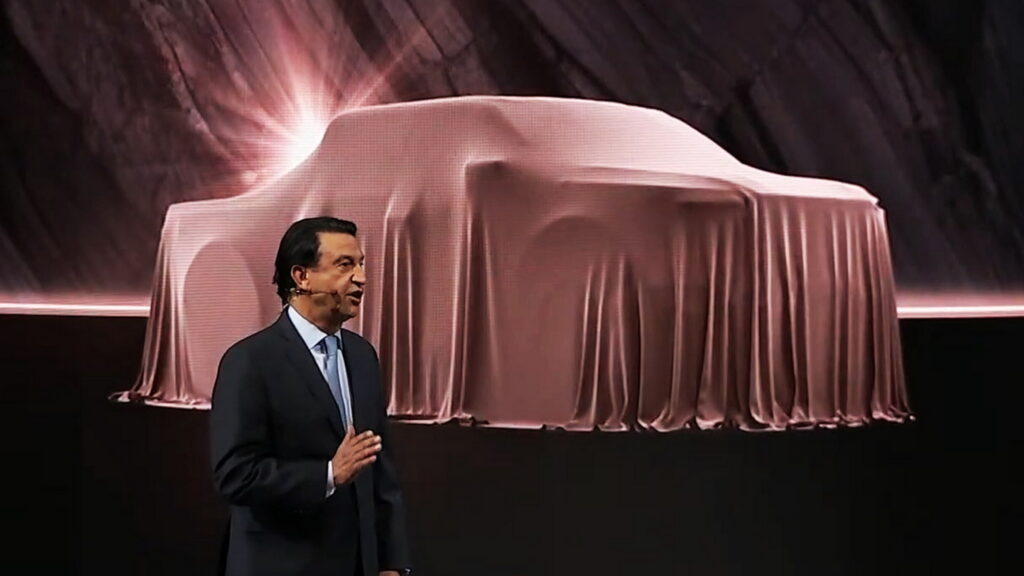
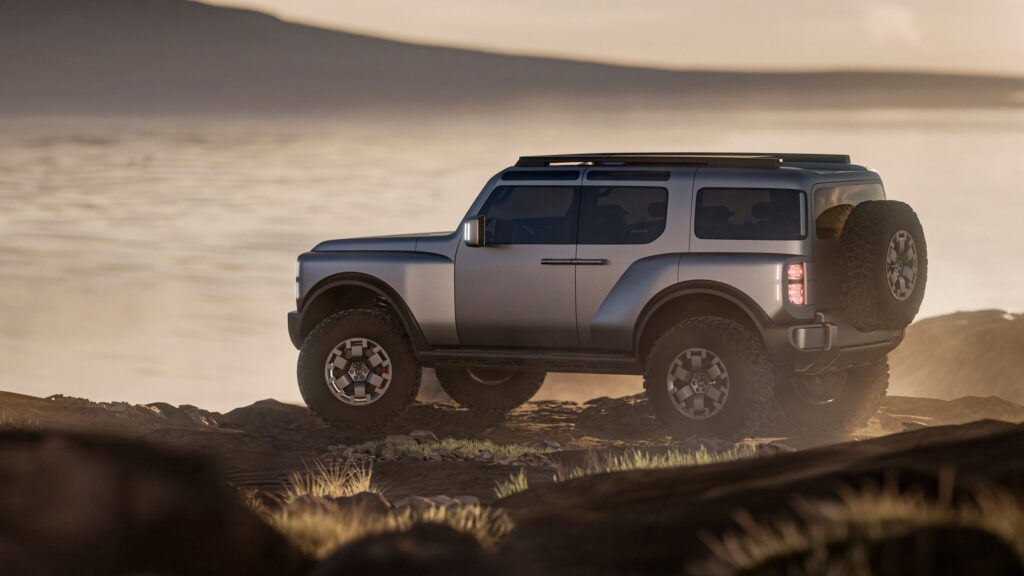
According to SangYup Lee, Head of Global Design for Hyundai and Genesis, the Boulder concept is not just a designer’s fantasy but a confident statement about the future. It visualizes the “Art of Steel” design language, which will form the basis of a new SUV and, more importantly, a new body-on-frame pickup truck intended for North America. The single teaser the company showed last year conceals a two-door cab under a cover, but the characteristic features are already visible: a vertical front end, a cubic silhouette, and huge wheels hinting at true off-road capability.
Expected Design and Architecture
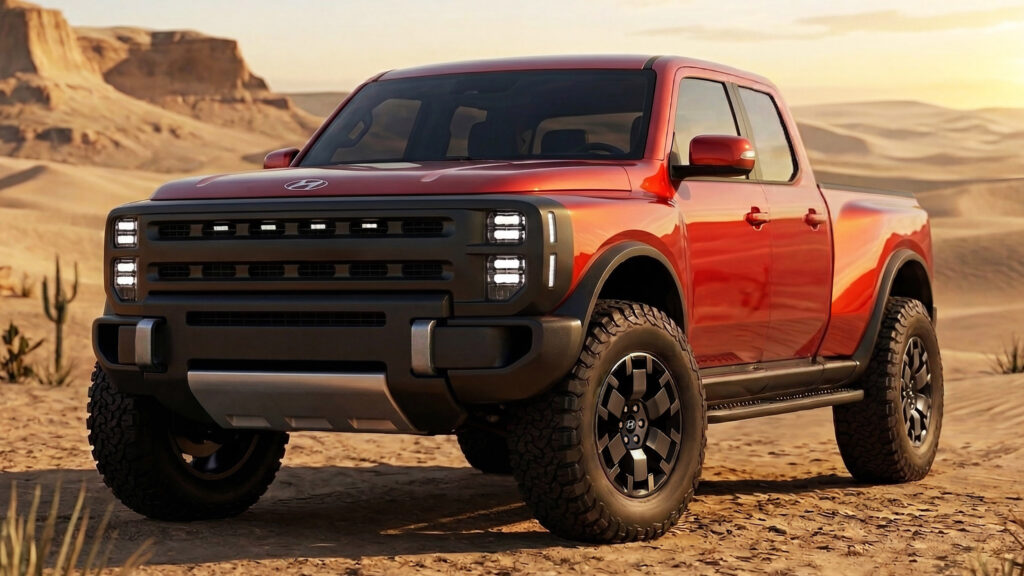
Experts, based on the concept, are already forming an idea of the production model pickup. It is expected to inherit split headlights, massive bumpers, and square fenders. The overall look may evoke associations with smaller models like the Chevrolet Silverado. Both the pickup and the SUV will be built on a completely new body-on-frame architecture. This will give the vehicles the segment-required durability, towing power, and payload capacity to compete with giants like the Ford Ranger, Toyota Tacoma, and Jeep Gladiator.
This architecture is expected to support hybrid and so-called “range-extender” powertrains, aligning with Hyundai’s overall electrification plans.
Strategy for the American Market
Hyundai President and CEO Jose Muñoz once again confirmed that the pickup is being developed specifically for North America with a target launch date by 2030. Production will be localized using “American steel.” Randy Parker, CEO of Hyundai Motor North America, candidly explained the change in course, acknowledging that the market gave a signal, and the lifestyle-oriented Santa Cruz model received only moderate recognition.
“Given this signal from the market and the lessons learned from Santa Cruz, we are ready to expand our portfolio with a new mid-size body-on-frame pickup… Body-on-frame pickups matter in America. They are the backbone of small businesses, weekend adventures, and family daily life.”
Personalization Philosophy
Brad Arnold, Chief Designer at Hyundai North America, elaborated on the idea that the new models will not be one-size-fits-all. Instead, they are positioned as a blank slate for owners who want to adapt the vehicle to their needs.
“The Boulder platform, ready for accessories, is an open canvas that you can equip for your hobbies and your style,” said Arnold. “This built-in flexibility ensures that no two Boulders will look the same… Whether you’re heading out hiking, camping, surfing, or perhaps on more frequent adventures—conquering curbs in the Home Depot parking lot—Boulder paves the way with 37-inch tires, impressive ground clearance, and serious suspension travel.”
Taken together, the pickup and SUV are part of a large-scale product offensive. Hyundai states that these are just two of 36 new or updated models set to appear in the next five years, while Genesis plans to introduce 22 new models over the same period. This step can be seen as a logical expansion of the brand’s presence in a market where body-on-frame SUVs and pickups traditionally hold enormous commercial and cultural weight. Success in this segment often defines a manufacturer’s overall image in the region, so Hyundai is betting not just on a new vehicle, but on creating an entire lineup capable of shaping new market trends and attracting the loyalty of consumers who may not have previously considered a Korean brand for such tasks.