


Lawsuits Against Toyota
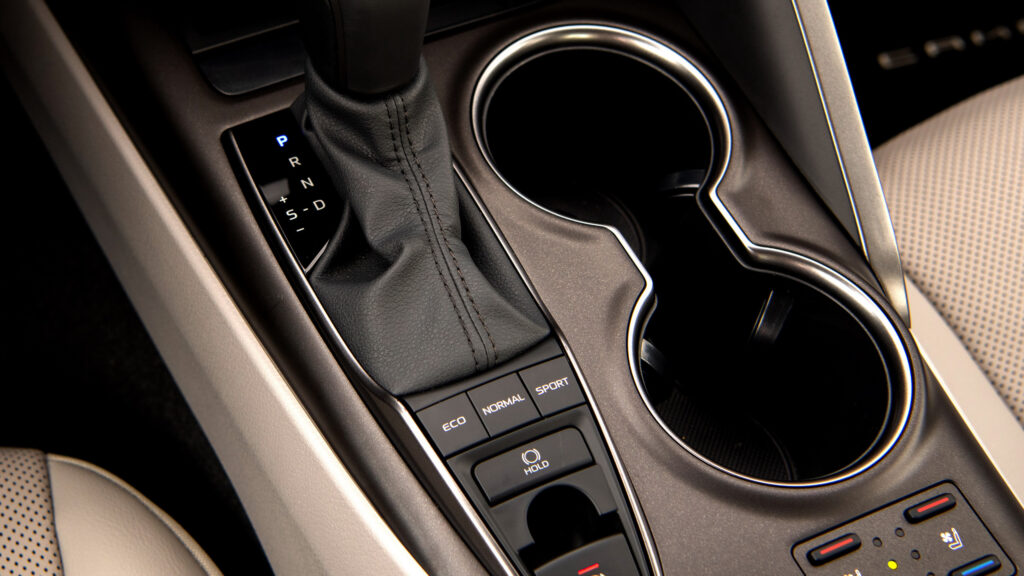
Toyota is once again at the center of legal proceedings over one of its most common transmissions. Two new class action lawsuits allege that the eight-speed UA80 automatic transmission is prone to premature failure, raising concerns about vehicle longevity and resale value.
The latest lawsuit focuses on claims that the transmission can shorten a vehicle’s lifespan and reduce its market appeal, as the problems, according to the plaintiffs, appear significantly before the end of a typical ownership cycle.
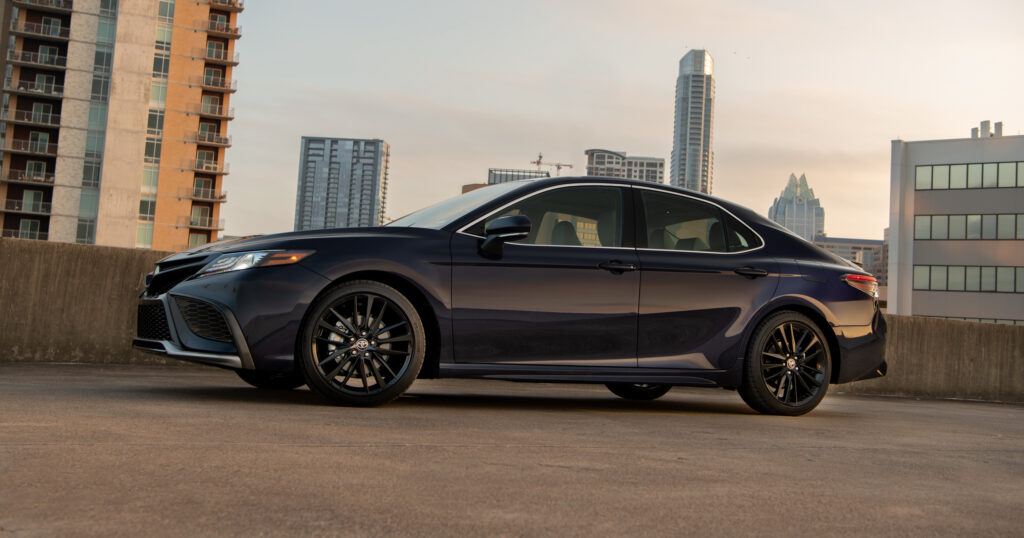
The lawsuit was filed by James LaBoutiller, owner of a 2020 Toyota Camry XSE, who claims he heard abnormal noises coming from the transmission. After visiting a Toyota dealership, he was informed that the transmission needed to be replaced.
Toyota agreed to provide a new transmission but refused to cover the installation cost. This forced LaBoutiller to cover the labor expenses himself, costing him several thousand dollars out of pocket.


Mechanical and Software Defects
According to the lawsuit, the transmission has two main defects. The first is mechanical: excess heat reportedly builds up inside the transmission, accelerating wear and degrading the transmission fluid condition.
The second issue relates to software. The lawsuit alleges that faulty programming forces the transmission to shift to a higher gear too early and engages the torque converter lock-up clutch prematurely, which in turn creates unnecessary strain on key internal components.
Longstanding Knowledge of Problems
According to the class action, Toyota knew about problems with the eight-speed transmission since durability testing, before it began installing this transmission in customer vehicles.
It is further alleged that the company ignored years of warning signs, including internal data, customer complaints, dealer service records, and submissions to government safety agencies documenting premature transmission failures.


As stated in the lawsuit, Toyota not only failed to take action on the reported issues but also implemented software updates that increased transmission wear. The goal of these updates, according to the documents, was to improve fuel economy.
The plaintiff adds that Toyota continued to assure customers that their vehicles were operating properly. Meanwhile, warranty coverage was regularly denied once vehicles exceeded certain mileage thresholds, even if problems were first reported at lower mileage.
LaBoutiller seeks to represent a national class of current and former owners and lessees of several affected Toyota and Lexus models. He demands a jury trial, as well as damages, restitution, and injunctive relief.
Second Class Action Lawsuit
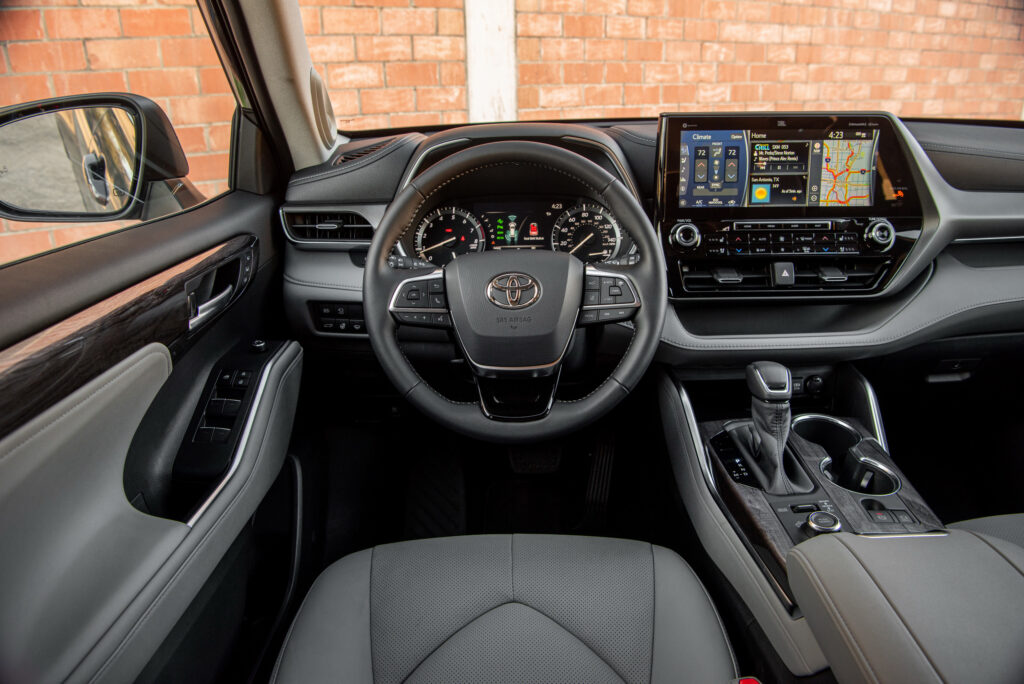
This is not the only lawsuit concerning the UA80 transmission. Earlier this month, a separate class action was filed in California by plaintiff Neil Pallaya, who purchased a new 2020 Toyota Highlander in December 2020. The vehicle was equipped with a 3.5-liter V6 engine paired with the UA80E transmission.
Pallaya’s lawsuit details a persistent high-pitched whining noise that began at approximately 67,000 miles, which a Toyota dealer diagnosed as a complete transmission failure. Since the vehicle was out of warranty, he was quoted over $7,400 for a replacement, which he believes is as faulty as the original.
He alleges that the defect stems from fundamental design flaws and that Toyota has not provided a meaningful legal remedy, leaving owners with expensive repairs and ongoing questions about long-term reliability.

List of Potentially Affected Models
The California lawsuit expands the list of potentially affected vehicles, covering the following models:
- Toyota Highlander from 2017 to present
- Toyota Grand Highlander from 2024 to present
- Toyota Camry from 2018 to 2024
- Toyota Sienna from 2017 to 2020
- Toyota Avalon from 2019 to 2022
- Toyota RAV4 from 2019 to present
- Lexus RX 350 from 2023 to present
- Lexus ES 250 from 2021 to present
- Lexus ES 350 from 2019 to present
- Lexus NX 250 and NX 350 from 2022 to present
- Lexus TX 350 from 2024 to present

These lawsuits highlight serious issues that could affect hundreds of thousands of owners worldwide. Transmission problems, especially systemic ones like these, strike at the very core of Toyota’s reputation as a manufacturer of reliable and durable machinery. If the allegations are proven, it could lead not only to significant financial costs for the company in the form of compensation and replacements but also to a lasting blow to consumer trust. For owners of the listed models, it is important to monitor developments, as the outcomes of these cases could determine opportunities for compensation even beyond official warranty periods.