


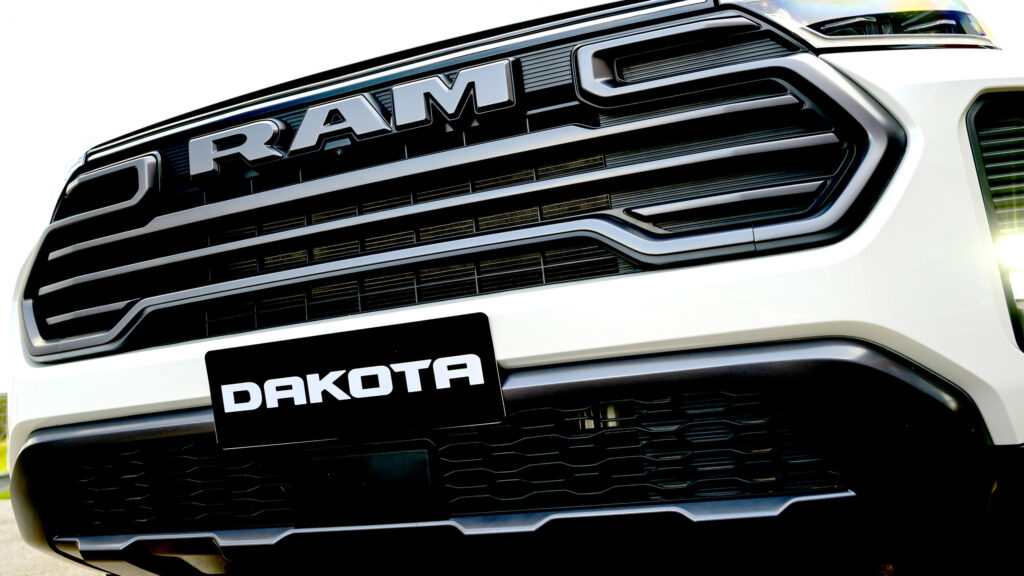
Ram is preparing to launch a new mid-size pickup truck for the North American market, which is set to become an important product for the brand. This is especially relevant after the discontinuation of the budget 1500 Classic model. To achieve success and win over the mass buyer, the new model must have a competitive price, starting from approximately the mid-thirty thousand dollars.
As noted by CEO Tim Kuniskis, it must also offer the true capability that buyers expect from a real pickup truck.
This new model for the American market has long been anticipated, considering that Ram already sells mid-size trucks in South America and Europe. The company confirmed work on a smaller pickup more than a year ago and plans to start its production in 2028.
Filling a Niche and Competition
In a conversation with The Drive, Kuniskis noted that the new model must fill the void left by the larger 1500 Classic and enter a market that is rapidly growing under the leadership of the popular Toyota Tacoma. To compete, it will have to be a serious player.
A “Real” Pickup
“It needs to be a convincing pickup truck, so that, if necessary, moving from it to a light-duty truck is not a gap,” he said. “So it has to be a real pickup, with real capabilities, just a bit smaller and a bit more affordable.”
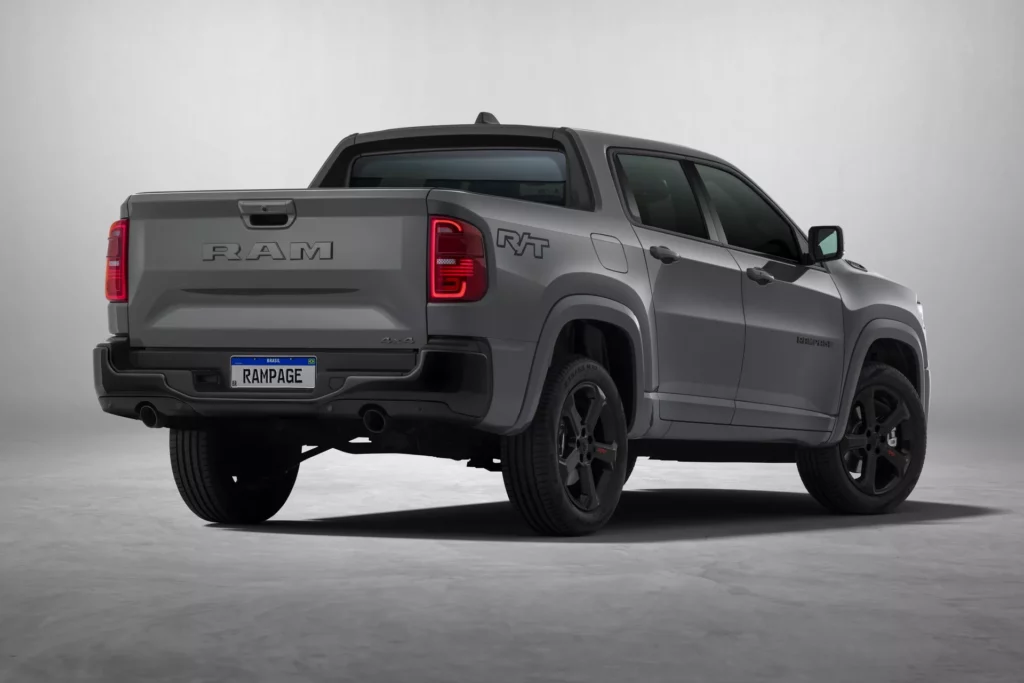

The technical specifications of the model are not yet known. It is only known that it will use a body-on-frame construction, similar to the Jeep Gladiator. This will help give it the solid characteristics of a true pickup truck, unlike crossover-based trucks like the Hyundai Santa Cruz.
“It has to be a proper pickup truck,” Kuniskis added. “It must have towing capabilities, it must have payload capacity. It must have everything a pickup buyer is looking for. It can’t be, you know, a car with a bed put on it.”
Hybrid Powertrain
Ram is not yet ready to confirm exactly what powertrain the new pickup will receive, but Kuniskis pointed to the possibility of a hybrid setup.
“As for the powertrain, we haven’t said anything yet about what we’re going to do. Obviously, hybrid is becoming, essentially, a very important growth point in the industry. That’s why I followed Cherokee, the largest segment in the world with a dedicated [hybrid] powertrain. You know, we made that choice consciously. So, do we need it in a mid-size pickup? I don’t know yet, that’s a future question, we’ll see.”
However, it definitely will not get a V8 engine.
“I don’t think it needs a V8,” Kuniskis told The Drive. “And, look, go back 15 years. Today’s mid-size pickup is the size of what used to be a full-size pickup, right? Not that far off. So, will the mid-size segment behave differently in a few years than the light-duty truck segment? I don’t think so.”
Ram’s return to the mid-size pickup segment is happening at a crucial time when buyers are increasingly seeking balanced offerings between size, price, and efficiency. The emphasis on “real” hauling capabilities and body-on-frame construction clearly separates the future Dakota from crossover-based competitors, positioning it for those who value the traditional advantages of a pickup. The powertrain question remains the most interesting: the rejection of a V8 but openness to hybrid technology reflects the overall automotive trend. The model’s success will depend not only on technical specifications but also on whether Ram can effectively fill the vacated price niche by offering a product that truly feels like a full-fledged, albeit more compact, replacement for its full-size models.