


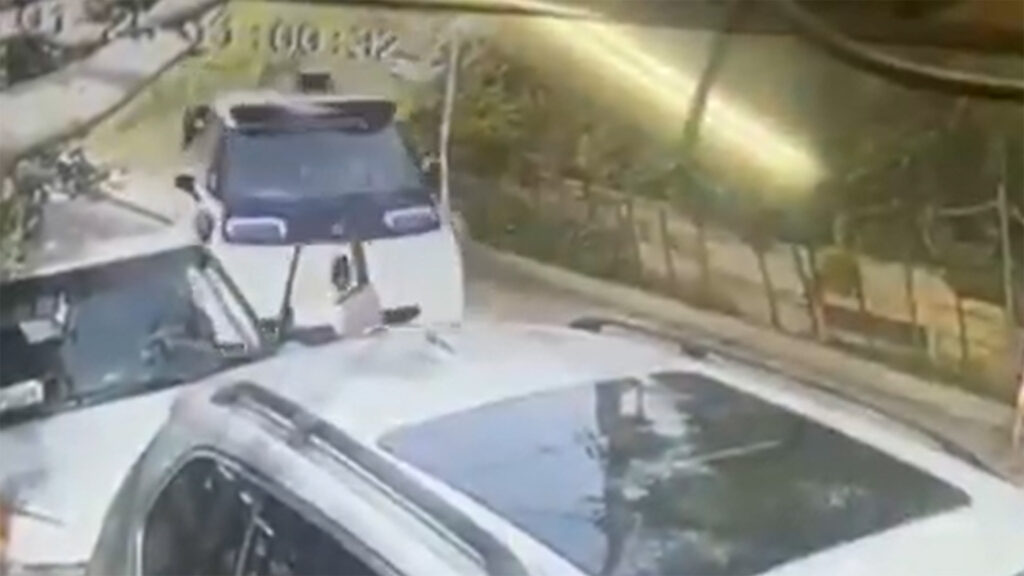
Accident with Waymo Ojai Prototype in Los Angeles
The greatest fear associated with autonomous vehicles is that they may lose control, make a wrong decision, and cause harm to people or property. The story with the Waymo Ojai prototype in California initially seemed to be exactly such an example. However, as it turned out, a human was behind the wheel.
Key Event Details
Shocking surveillance video from Los Angeles shows the new Waymo vehicle moving downhill, veering off the road, and hitting several parked cars near the curb, nearly striking pedestrians. Waymo promptly provided an explanation, noting a key detail: the vehicle was not operating in autonomous mode.
Confirmation of Manual Mode and Accident Circumstances
Company representatives reported that the vehicle was under the full control of an operator; there were no passengers inside. The incident occurred around 11 a.m. on January 25 in the Echo Park area.
Homeowner Jorge Don Antonio recounted: “As seen in the video — the Waymo lost control while moving down the street and hit my mother’s car. My brother managed to push my mother out of the way before the car approached. Fortunately, they are both okay.”
History of Accidents at the Incident Location
As it turned out, this accident is not the first on this section of the road. Jorge Don Antonio noted that the one-way street is located near Dodger Stadium, and similar incidents often occur here during games. Waymo did not comment on the cause of the driver’s loss of control but confirmed that the employee exited the vehicle independently and was not injured.
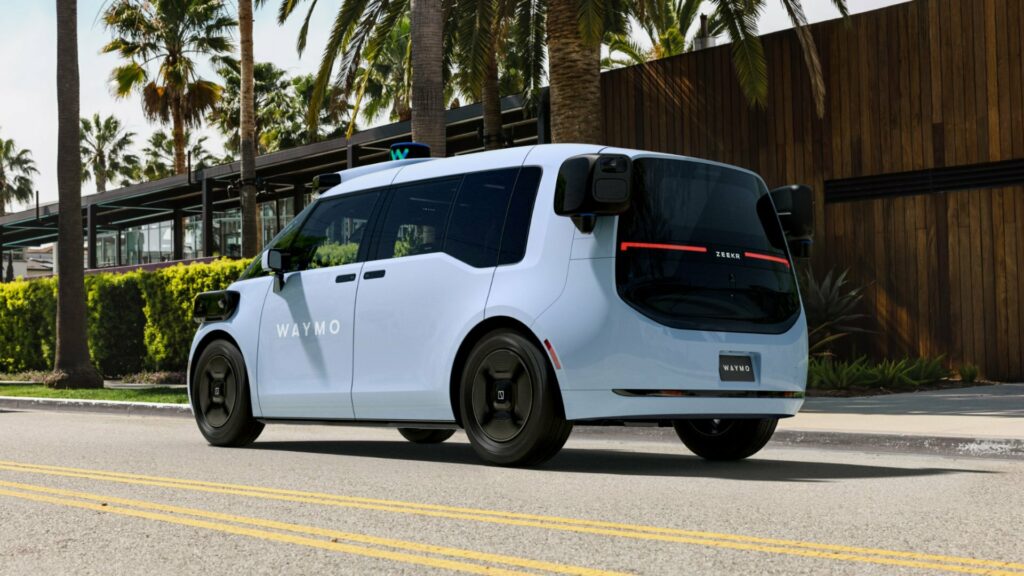

Medics checked the condition of local residents as a precaution; no serious injuries were recorded. This case serves as a reminder that a human, not artificial intelligence, was behind the wheel, yet it will undoubtedly compel Waymo to work even more diligently on safety measures in the future.
This incident clearly illustrates that even with the development of autonomous technologies, the human factor remains a critically important link in the safety system. At the same time, it points to potential infrastructure problems on certain road sections where accidents have occurred before. Such situations can influence public perception of autonomous transport, even if the self-driving systems are not directly at fault. For companies developing these technologies, it is important not only to improve algorithms but also to thoroughly analyze the conditions under which their vehicles (in any mode) operate in the real world, especially in complex environments such as narrow residential streets with active pedestrian traffic.