


Legislative Initiative in Washington
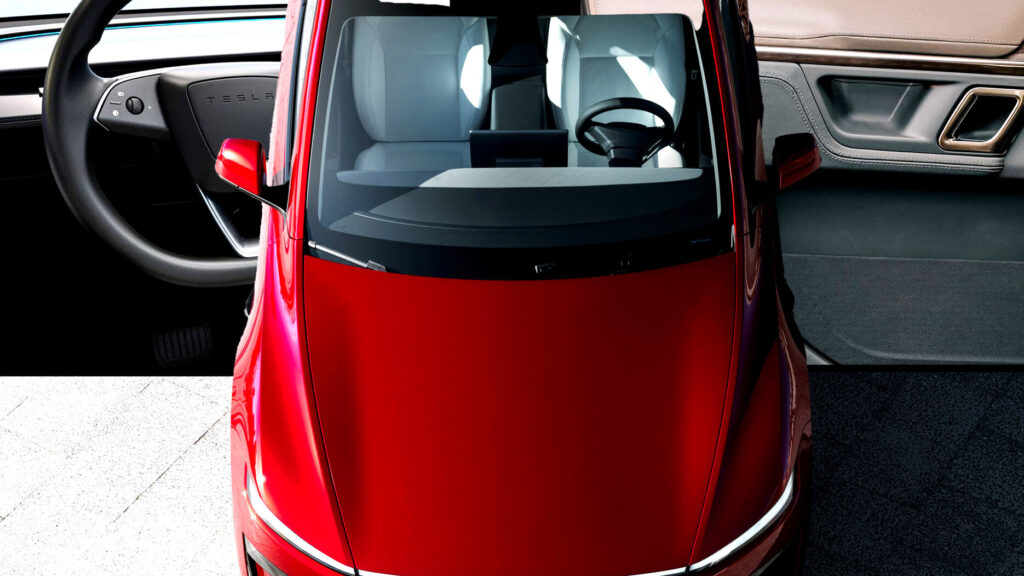
Electric door locks have become the subject of lively discussions worldwide. What started as a stylish or, perhaps, more efficient solution has turned into a storm around safety issues. This conversation has reached Washington, where a congressman from Illinois is intervening with a legislative initiative that could force automakers to reconsider how such systems work.
The bill, introduced by Congresswoman Robin Kelly, aims for the National Highway Traffic Safety Administration to establish new performance and labeling standards for vehicles equipped with electronic door locks.
Simply put, it will require easily accessible, power-independent mechanical releases for every door, along with clear labeling and a guaranteed method for rescuers to access the cabin in case of power loss.
The Problem Lies Not in the Idea, But in Its Implementation
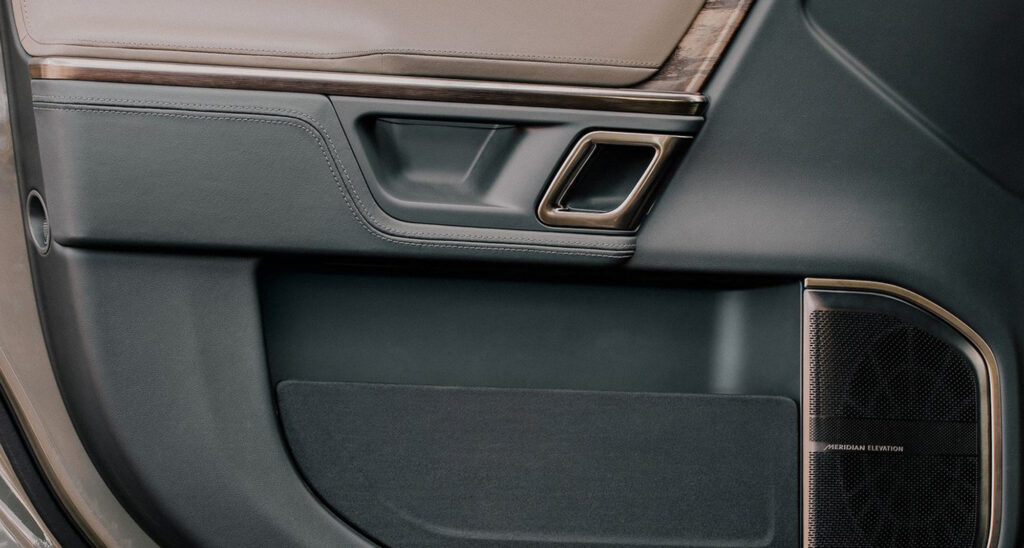

This is a much stricter approach compared to current safety standards. Modern car doors with electric locks almost always have a mechanical release. However, they do not always have an intuitive way to access this release and clear information about its location.
For example, to exit the rear of a Rivian R1S, one needs to remove a panel in the door, which, according to many reports, breaks upon removal. This is the same effort required just to access the release.
And that’s not to mention attempts to leave such a car after a severe impact, in a potentially smoky cabin, when panic sets in. To further emphasize this point, it’s worth considering that many people have struggled to get out of the front seat of a Tesla or even a Corvette when power was lost, despite the physical mechanical releases being entirely reachable for passengers. This is where the story takes a disappointing turn.
Targeting a Single Brand
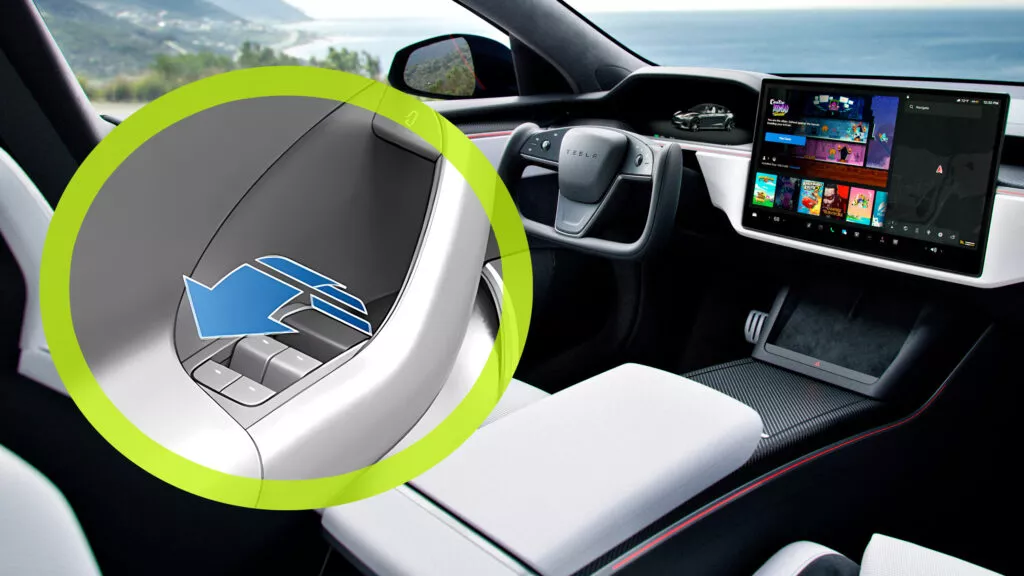

In her open letter regarding the bill, Kelly mentions Tesla exclusively several times. She points to reports that about 15 people have died in Teslas when passengers or rescuers allegedly could not open the doors during a power failure.
Without a doubt, this is a serious safety issue. Even Consumer Reports has an active petition on this matter. At the same time, Tesla is far from the only automaker using electronic door locks.
As we mentioned, Rivian and GM also use the same type of locks, and both have come under scrutiny in the past. Other automakers, including Stellantis, Ford, Range Rover, Kia, Hyundai, BMW, and others, also use electric locks. Some hide mechanical releases under trim panels. Others place them in unusual locations. Some barely label them. If the concern truly is passenger safety, which it absolutely should be, then the target should be the technology, not the logo on the steering wheel.
Two Years to Correct
Fortunately, the Safe Exit Act itself is broadly worded. It defines an “electronic door lock” as any system that relies on electrical energy to lock or unlock doors and requires the presence of mechanical backup systems that operate without power.
If the law is passed, manufacturers will be given two years to bring their products into compliance after NHTSA updates the rules under Federal Motor Vehicle Safety Standard 206. This is a reasonable timeframe and requirement. It also aligns with what some Chinese officials are considering for their country.
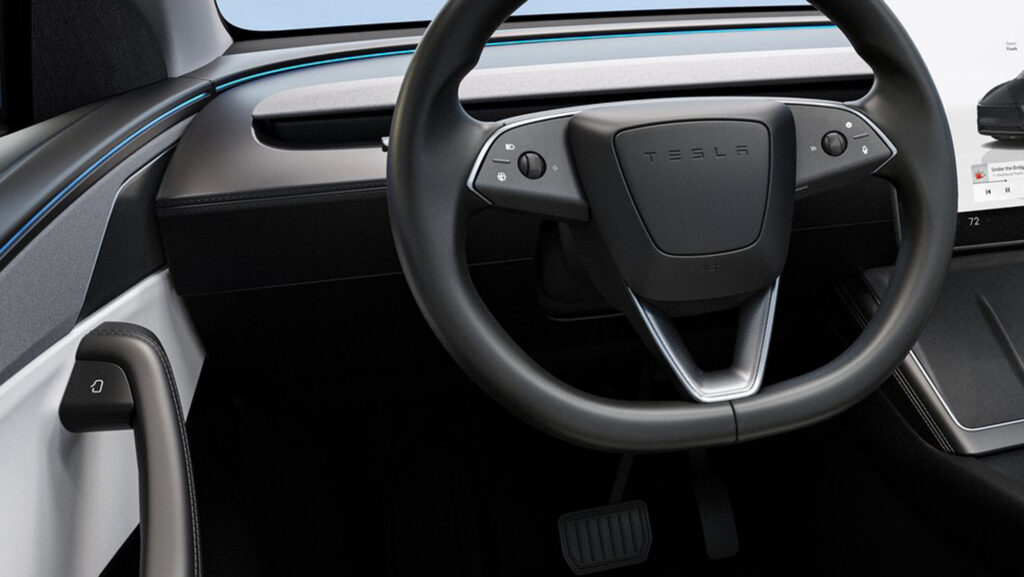

But let’s not pretend this is just a Tesla problem. The industry followed Tesla’s lead on flush door handles because they look clean, modern, and aerodynamic. Automakers copied the aesthetic long before legislators noticed the shortcomings. Now, regulation may simply make these and future cars safer for everyone.
The increased legislative attention to this issue indicates that automotive innovation sometimes outpaces safety norms developed for traditional designs. The shift to electric systems, often motivated by design and efficiency, requires the parallel development of reliable, intuitive backup solutions. Experience shows that in a critical situation, a passenger or rescuer will not have time to search for instructions or try to understand a complex mechanism. Therefore, future standards will likely focus not only on the fact of having a backup mechanism but also on guaranteeing its instant and error-free identification and use under stressful conditions, regardless of the car’s brand.