


The Australian government is trying to reassure citizens, although it does not rule out the possibility of introducing fuel rationing. Officials claim that fuel supplies continue, and the main problem may be panic among drivers.
Source of Concern
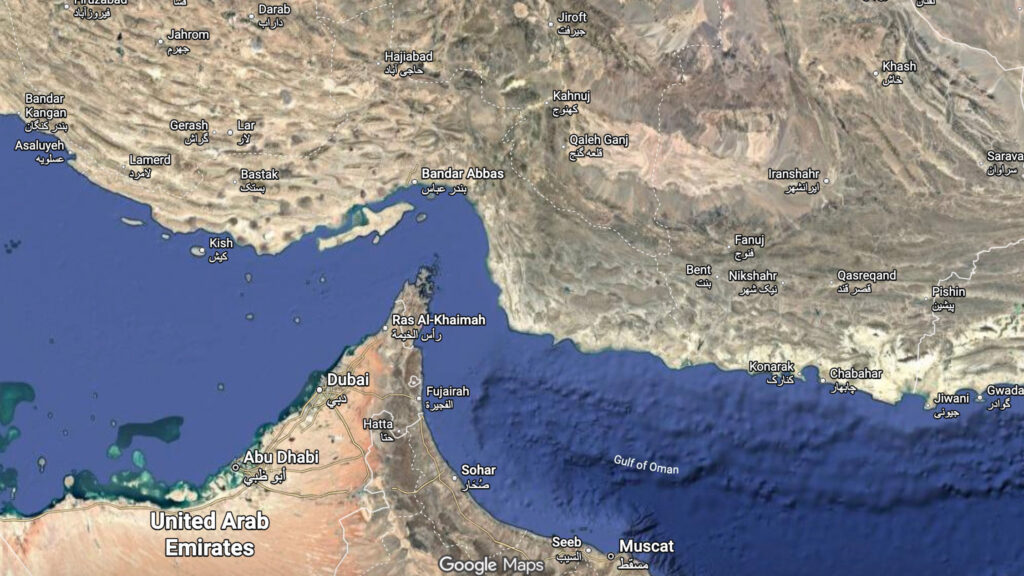
Concern is caused by the ongoing conflict involving Iran, which has disrupted one of the world’s most important oil routes. Due to the effective closure of the Strait of Hormuz, as tankers are not risking going to sea under fire, global supplies have been severely hit. This has caused price increases and fears of a shortage, as well as the possibility of the first fuel rationing in Australia since 1979.
Obviously, [the prospect of rationing] depends on how long this conflict lasts, and that’s not something I can answer in terms of what will happen. We are taking the measures we are taking right now, and the point is for people to just go about their business normally and calmly.
Gas Stations Running Out of Fuel
Some regional areas have already faced gas stations running out of fuel. Officials claim this is more likely due not to a lack of fuel, but to a sharp increase in demand. The government states that suppliers had enough fuel for normal consumption, but not for the recent surge in purchases. In other words, the shortage may be self-inflicted.

To support the system, the government has already used part of its reserves, releasing about 20 percent of backup fuel and temporarily relaxing quality standards so that more fuel can enter the system. For a limited time, fuel with higher sulfur content is now permitted – all to keep gas stations operating.
Prices Under Close Watch
Regulators are closely monitoring prices, which have also risen in other countries, including the US. The Australian Competition and Consumer Commission has summoned major fuel retailers to explain the sharp price increases. Treasurer Jim Chalmers warned that any violations would be severely punished. According to reports, fines that the regulator can impose for misconduct have already been doubled since the start of the conflict.


Photo: Mobil/Brad Anderson/Carscoops
The fuel situation in Australia clearly demonstrates how a geopolitical crisis can affect everyday life in a country far from the immediate conflict. The government’s response, combining the use of strategic reserves, regulatory pressure, and calls for calm, is a classic set of measures in such crises. Interestingly, this episode could provide an additional impetus for the development of the electric vehicle market in the region, as consumers begin to think more about energy independence and transportation cost stability. The long-term consequences may prove to be significantly deeper than the temporary difficulties at gas stations.