



Toyota’s Plans for a New Plant in Japan
Toyota has announced its intention to increase production in Japan, but to do so, it will have to rely on a growing number of foreign workers. Without such a step, production volumes could shrink by up to 25%, indicating significant changes in the country’s automotive industry, which has historically employed very few foreigners.
Key points of Toyota’s future plans:
Details of the New Production Facility
The world’s largest automaker plans to create a new plant in Aichi Prefecture in the 2030s. Although a specific date is not given, this will be the company’s first new plant in Japan since 2012. The facility will be located just 3 miles from a large residential complex housing 6,200 people, 60% of whom are foreigners.
Current State and Future Needs of the Industry
Currently, Japan’s automotive industry employs about 1 million workers, with approximately 9% of them being foreigners. This share has more than doubled compared to 2008, when it was about 4%, but this growth rate is insufficient. Without acceleration, the industry may fail to meet production targets, resulting in one in every four cars not being produced.
To maintain domestic production at a level of approximately 8 million cars by 2040, the share of foreign workers must increase to 27%, meaning more than one in every four workers.
The Role of the Younger Generation
The key to Toyota’s future is Generation Alpha—those born after 2010. According to Professor Atsushi Kogami of Sanno University in Tokyo, this generation is more inclined to collaborate with foreigners in the workplace than others. They will become the next generation of Toyota workers and help realize its ambitions.
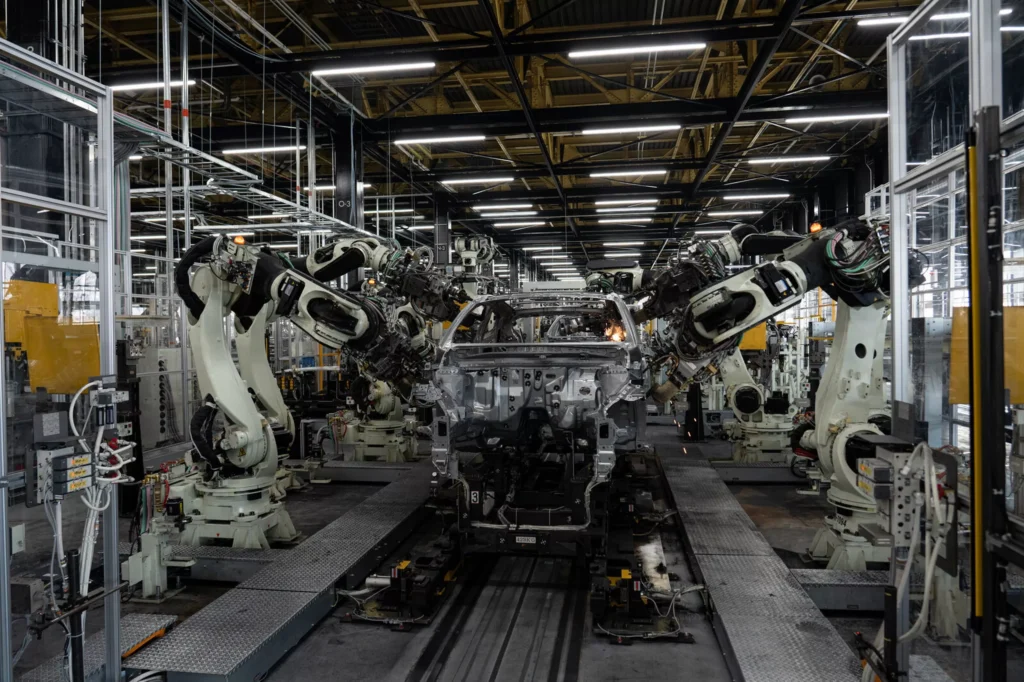

We will keep domestic production, whatever the cost.
Reportedly, Toyota cannot afford to slow down, even if it means hiring more foreigners. Every 10% drop in domestic car production leads to a nearly 1% decrease in Japan’s GDP.
Toyota’s Recent Personnel Decisions
In early April, Toyota added 2,317 new employees to its workforce in Japan, organizing a special ceremony for them involving key company executives, the Toyota GR GT3 race car, and the elegant Century Coupe concept car.
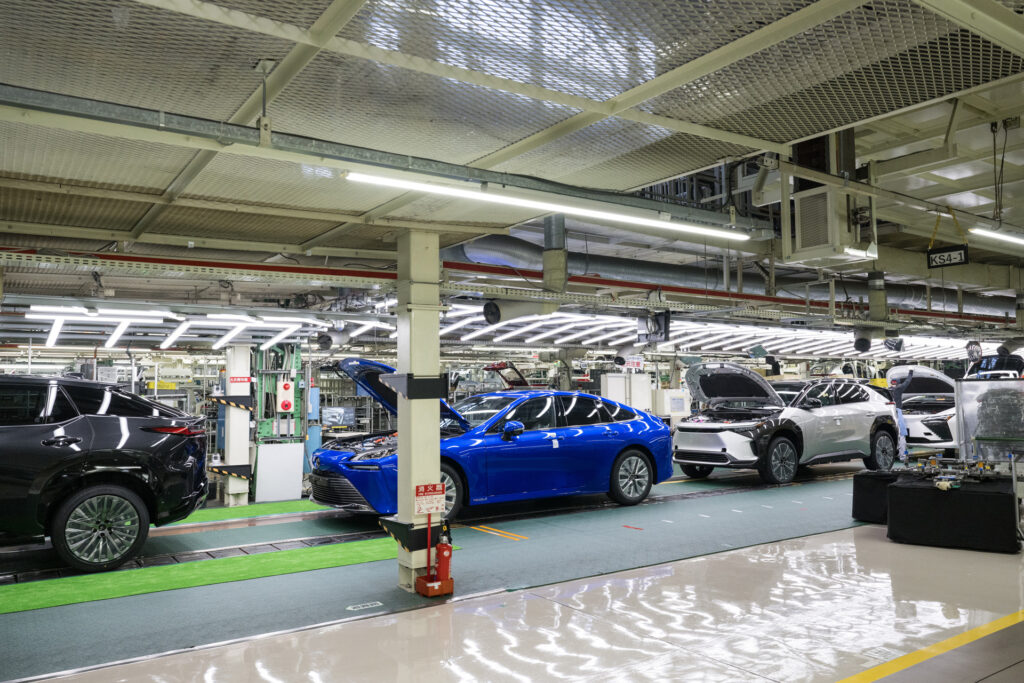

These plans and figures clearly demonstrate how globalization and demographic changes are affecting even such traditional and insular markets as Japan’s. Reliance on foreign labor is becoming not just an option but a necessity to maintain economic stability and industry leadership. Toyota’s success in the coming decades may largely depend on its ability to integrate international talent and adapt its corporate culture to new realities while preserving its legendary quality and innovation.