


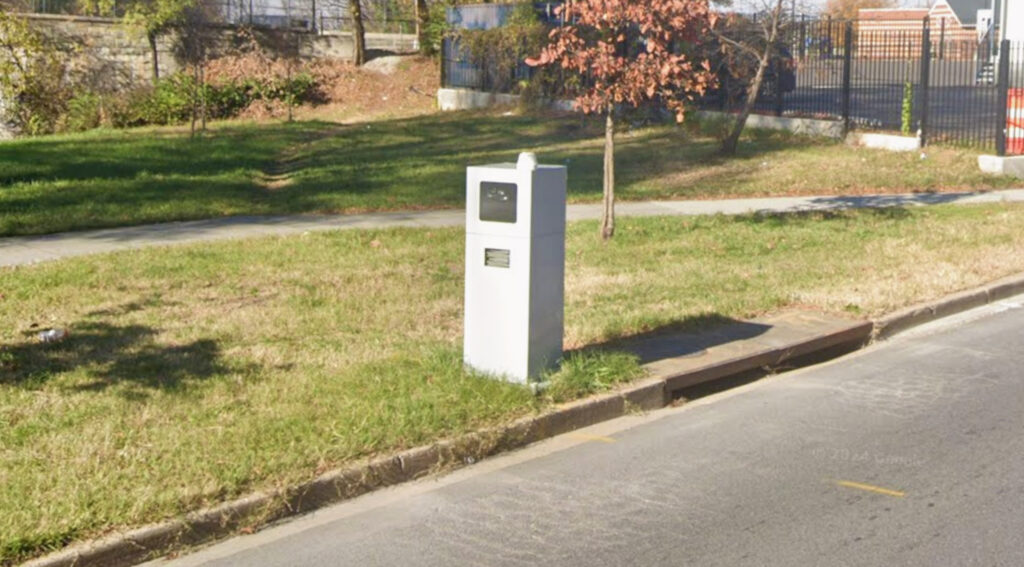
Plan to Eliminate Surveillance Cameras in Washington Sparks Controversy
Earlier this month, it became known that the Department of Transportation plans to eliminate traffic enforcement cameras across Washington. This includes cameras that monitor speed, red-light running, and stop sign violations. Many local drivers would likely support such a change.
However, Mayor Muriel Bowser does not support this initiative. And it’s easy to understand why, given the enormous revenues these cameras bring to the city’s treasury.
Currently, the U.S. capital has 547 automated cameras throughout the city. In 2023 alone, these cameras brought in a staggering $267.3 million in revenue. For comparison, just 10 such devices, representing less than two percent of the total, provided approximately $65 million, or nearly 25 percent of the entire amount.
How Much Can One Camera Earn?
A more detailed analysis shows how concentrated these revenues can be. One camera installed on the highway near the Potomac River in 2023 issued fines totaling $9,179,249 in one year. Another device on the eastern part of DC295 SW brought in $8.5 million, and a camera on the 600 block of Kenilworth Avenue NE South wasn’t far behind, earning $7.7 million.
Drivers receive automatic fines only when they exceed the speed limit by at least 10 miles per hour.
While collecting these fines hasn’t always been easy, a 2024 update from the Attorney General clarified one thing: the city can now file civil lawsuits against drivers who have accumulated a significant number of unpaid fines, regardless of where they reside.
Safety Statistics or Financial Gaps?
While the effectiveness of automated cameras in improving safety is often debated, Mayor Muriel Bowser notes that the city’s traffic fatalities decreased by 52 percent last year. But their financial impact is also critically important. If the District of Columbia completely bans the system, officials estimate it could create a $1 billion budget gap over the next four years.
Congressman Scott Perry argues that the cameras are less about safety and more about profit. In his view, they serve to “generate revenue, not enhance safety” and are part of a system that “fleeces people without representation or fair justice.”
This debate highlights a classic dilemma between public safety and the city’s fiscal needs. On one hand, there is statistics indicating a reduction in accidents; on the other, there are doubts about the true motives behind using the technology. The future of cameras in Washington remains uncertain, but any decision will have serious consequences for both the city’s budget and the daily lives of its residents. Financial dependence on fines creates a vulnerability for the city budget, while also raising legitimate questions about the transparency and fairness of law enforcement.