


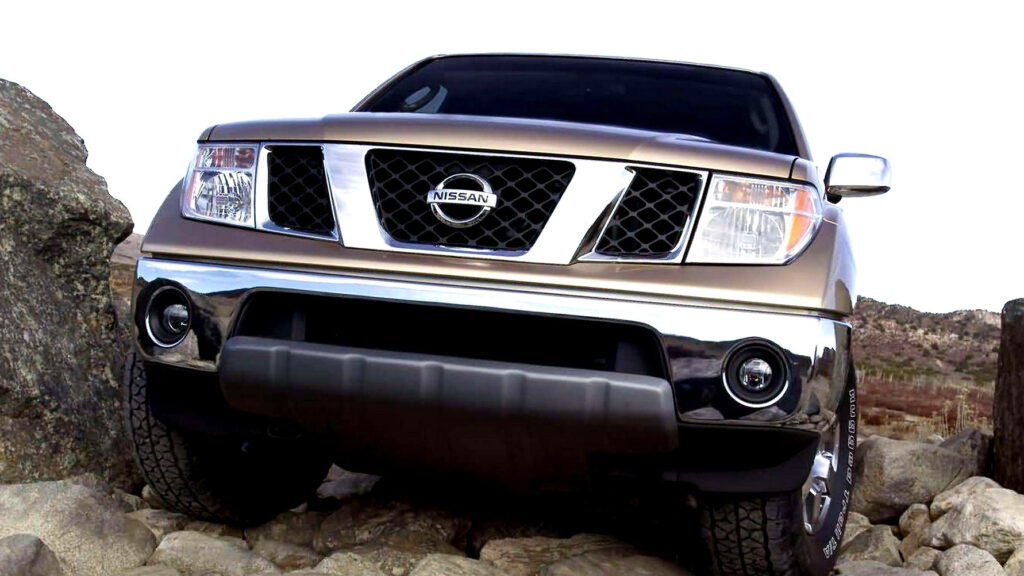
Investigation Into Old Nissan Frontier Pickups
The U.S. National Highway Traffic Safety Administration has initiated an official review due to potential defects in 75,300 Nissan Frontier pickups from the 2006 model year. The reason for the federal investigation was just one official complaint from an owner.
According to the complainant, the vehicles may emit a strong smell of raw gasoline and suddenly lose power when starting the engine or while driving. This combination of symptoms raises serious concerns. The smell of fuel, reminiscent of an open canister, may indicate a leak or other breach in the integrity of the fuel system.
The owner believes the pickups pose an “immediate fire hazard” due to the “powerful and persistent smell of raw gasoline” that “emanates from the vehicle.”
Potential Consequences and Problem History
Add to this the possibility of the engine suddenly stalling in traffic, and it becomes clear why the regulator is paying close attention to this situation. It is important to note that, so far, the agency has not recorded any accidents, fires, injuries, deaths, official reports from the manufacturer, or field reports. Only one owner’s complaint proved sufficient to launch a federal investigation.
The complainant also claims that these symptoms are not new. In their opinion, the problems repeat those that Nissan has already attempted to address through recalls 10V-517, 07V-435, and 10V-075. From their perspective, those campaigns either did not fix the problem or did not address it at all.
Previous Recall Campaigns
Each of these previous recalls dealt with various issues related to the fuel system and engine stalling in old Nissan pickups and SUVs. One campaign focused on faulty fuel level sensors that could rust and cause the engine to stall. Another concerned cracked fuel pump control modules, where moisture could enter and potentially shut down the engine. There were also problems with components of the fuel system and the evaporative emission control system, which could contribute to the smell of gasoline.
Overall, it is worth noting that this investigation may not proceed further. On the other hand, if regulators find several examples of 2006 Nissan Frontiers that regularly smell of gasoline and stall, Nissan may face the need to address a problem it considered resolved many years ago. This situation is unfolding against the backdrop of the company trying to launch new models and regain lost market share, making any potential recalls of old vehicles an additional challenge. The safety issue of twenty-year-old vehicles remains relevant, as many are still in operation, and the incident with a single complaint demonstrates how attentively regulatory bodies treat even isolated reports of potential defects, especially when they concern critical systems such as the fuel system.