


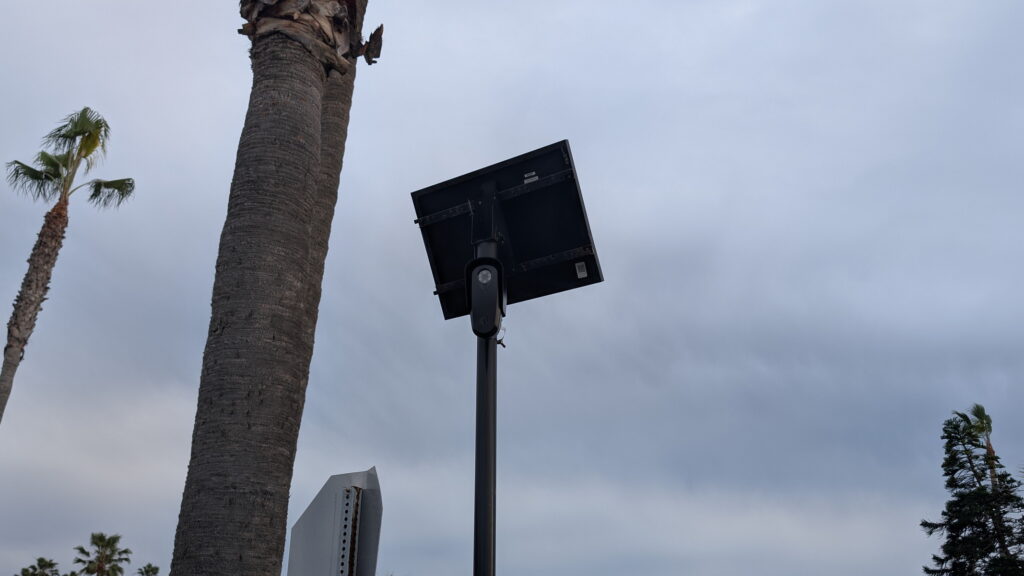
The Los Angeles Police Department (LAPD) has decided not to renew a three-year contract with Flock Safety, a leader in automatic license plate recognition (ALPR) technology. This decision was made due to unresolved issues regarding privacy, civil liberties, data sharing, and security. The technology has also faced criticism for misuse, false alerts, and operational difficulties.
Why the LAPD declined the contract
Flock Safety’s camera network captures images of vehicles and their license plates, allowing authorized users to search for vehicles linked to active criminal investigations. According to LAPD representatives, the system is not used for immigration control, and officers must have an active case and appropriate training to access the database.
However, officials stated that concerns over civil liberties ultimately outweighed the benefits of simply extending the existing agreement. LAPD Chief Information Officer Dean Galamas noted:
This contract is not being renewed due to serious concerns about civil liberties and rights issues, particularly regarding privacy and the data collected by these cameras.
This decision does not mean that Flock cameras will disappear from Los Angeles immediately. Many of them are owned by residents’ associations, businesses, and other organizations, not the city itself. The LAPD continues negotiations with Flock, hoping to reach a revised agreement with stricter language on privacy, security, data storage, and information sharing.
Technology issues and criticism
These concerns are not purely theoretical. Flock’s technology has repeatedly been at the center of debates over privacy and surveillance. Across the country, authorized users have been accused of improperly accessing license plate databases. Security researchers and civil rights advocates have raised concerns about how agencies manage access to large repositories of vehicle location data. The company has also faced criticism after false alerts led to innocent drivers being pulled over by police.
Even agencies that continue to use the technology have found that more data does not always mean more utility. Last year, the Oakland Police acknowledged that they turned off automatic stolen vehicle alerts because the volume of notifications became so overwhelming that officers simply could not respond to them, reducing the practical value of the alerts.
Flock Safety’s response
For its part, Flock Safety stated that it remains committed to working with the LAPD. The company issued a statement:
Flock’s position has been simple: if this technology is to be used, it must be used with robust privacy protections, strict auditing, and clear oversight. While this latest development came as a surprise, we remain committed to continuing our active and ongoing negotiations with the LAPD to find a path forward.
For now, it appears that both sides will eventually reach an agreement, and the cameras will operate again. Of course, local residents organizing against the cameras may also play a powerful role in these debates.
The situation surrounding Flock Safety in Los Angeles is illustrative of a broader discussion about the balance between security and privacy in the modern world. While ALPR technology can be an effective tool for investigating crimes, it also creates risks of mass surveillance and potential abuse. The LAPD’s refusal to renew the contract, even temporarily, demonstrates growing attention to these issues from law enforcement. Further negotiations between the city and the company will likely set new standards for the use of similar technologies, which could influence practices in other cities across the country.