


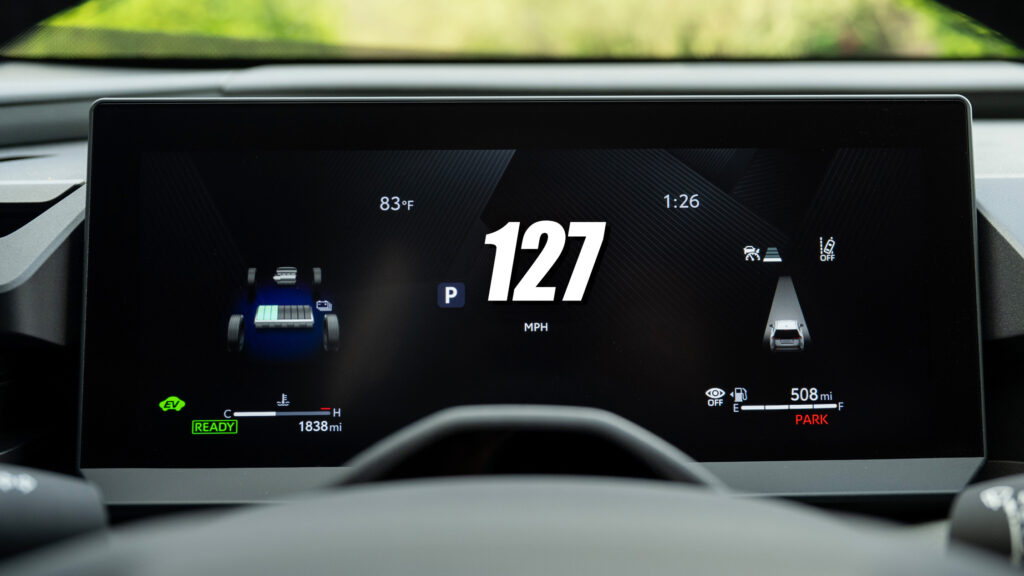
Modern cars often collect data about their owners’ driving style, and this information can reach insurance companies, affecting the cost of policies.
The Car as a Data Collector
Today’s cars are essentially computers on wheels. According to industry estimates, about 90% of new cars collect detailed data on driver behavior, including speed, acceleration, braking, and cornering. Automakers claim this information helps improve safety, diagnose technical issues, and enhance vehicle performance.
The Secrets of the Fine Print
One driver who spoke to CNN learned this the hard way after shopping for new insurance. He braked sharply the day before receiving a quote, and when the insurer mentioned that specific event, the driver was shocked. The source, he was told, was his own car’s telemetry system.
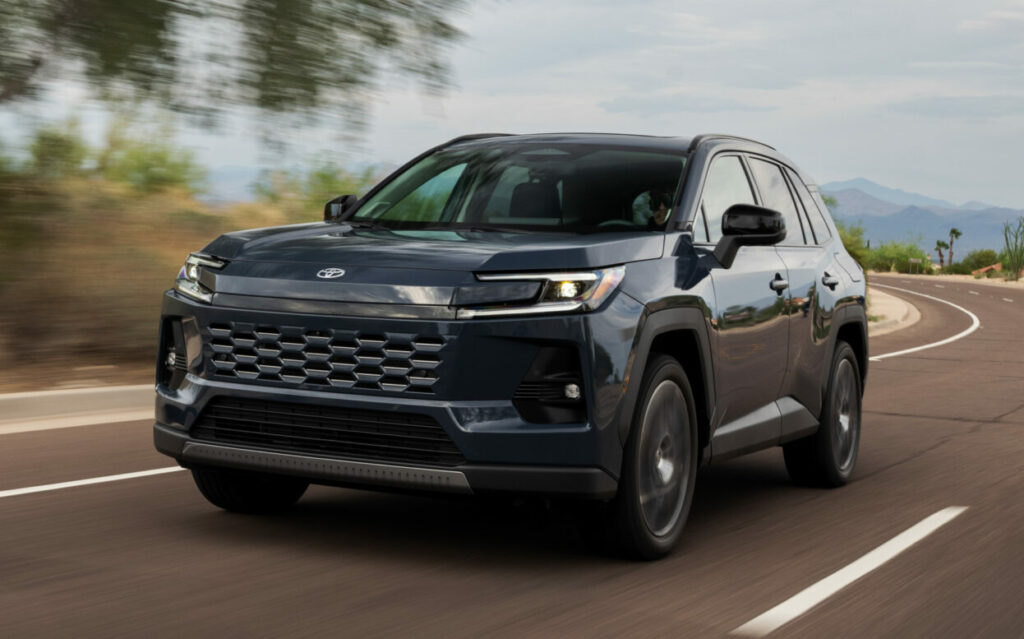

That driver was Philip Sifke. He said the insurance company was Progressive.
“I was asking: how the hell did they get my information? I was furious”
, he recalled. When he called to ask how the company knew about his braking, a representative told him the data came from the built-in telemetry in his Toyota. When Philip insisted he hadn’t signed up for anything, the representative replied that most customers actually agree to it through the documents they sign.
Some manufacturers share or sell driving information to third parties, including insurers. Buyers technically agree to this in the documents at purchase. The problem is that consent is often buried in dense contracts that few read carefully while discussing loan terms and warranties.
“Technically they had permission. It’s something people should know about but don’t”
, said Sam Abuelsamid, an automotive analyst at Telemetry.
Regulators’ Warning
Regulators have already taken notice. In 2024, the Federal Trade Commission (FTC) warned consumers that cars can collect sensitive personal data, and its use and disclosure can threaten privacy and financial well-being.

Then a specific example occurred. Just last month, the FTC settled a case against General Motors and its connected services subsidiary OnStar. The agency prohibited GM from selling driving data to third parties for five years without properly notifying consumers and obtaining their explicit consent. There was no financial penalty, but the decision was a clear signal that regulators are watching.
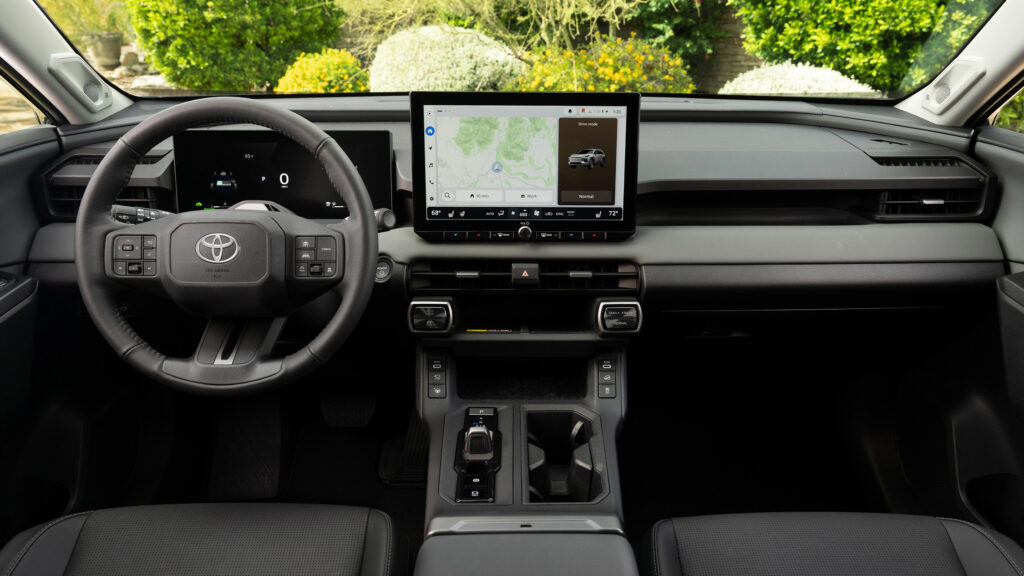

GM stated it had stopped the practice a year earlier due to customer feedback, and that the initial goal was to promote safe road behavior. Nevertheless, the FTC decision highlighted how opaque the consent process can be.
Financial Consequences for Drivers
Meanwhile, real consequences are already showing up in insurance bills. The Toyota driver who discovered the transmission of his data saw a sharp increase in his insurance cost at renewal, despite a long accident-free history. Initially, he got a policy for less than $300 per month. Six months later, at renewal, the rate rose to over $400 per month.
His lawsuit against the automaker, the insurance company, and the data provider is now headed to arbitration — another clause he unknowingly agreed to at purchase.

Toyota stated it shares driving data with third parties only when a customer provides consent and instructs Toyota Motors North America to do so. Progressive did not respond to CNN’s requests for comment.
Industry associations insist that connected cars are not spying. But when you press the engine start button, you might also be starting a live feed to the insurance world, so it’s better to behave decently, or risk a higher insurance bill.
This situation points to a deeper problem of the digital age: the gap between technological capabilities and consumer awareness. While data can promote safety, its commercial use without transparency creates new challenges for privacy and financial fairness. Future regulation will likely focus on ensuring that consent is truly informed and voluntary, not hidden in dozens of pages of legal text. It also raises questions about ownership of the data generated by the car and who should benefit from it.