 by
by Hyundai set a sales volume record in the US in January, however the situation with electric models within the brand looks very ambiguous. While one model saw barely noticeable sales decline, another experienced a sharp drop.
Stability of One Model and Decline of Another
Let’s start with the relatively good news. The Hyundai Ioniq 5 demonstrated only a slight sales drop of 6% compared to last year. In January, 2,126 units of this crossover were sold, which in current market conditions can be considered a stable result.
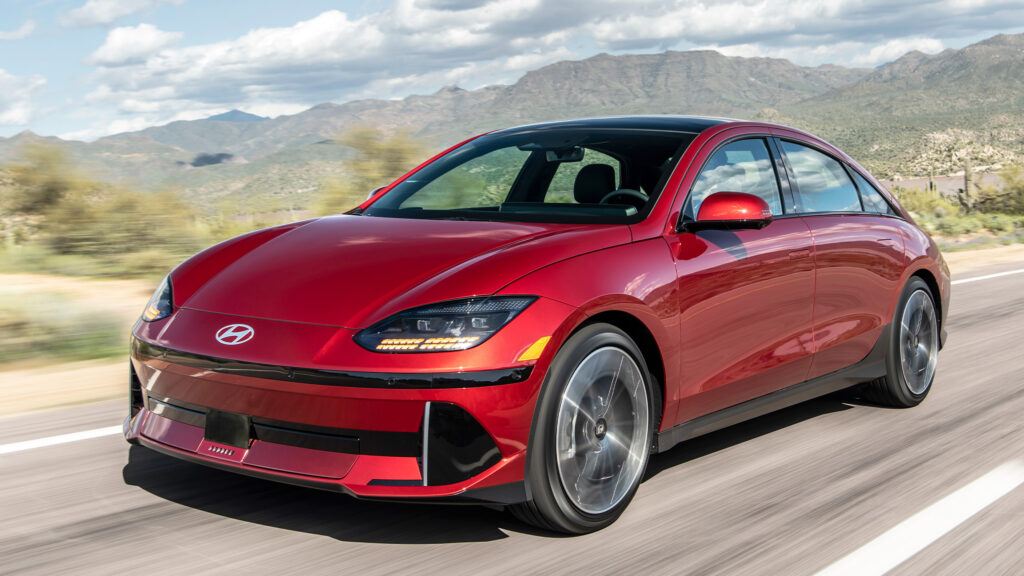
Now for the painful part. The Ioniq 6 didn’t just fall, it plummeted off a statistical cliff, losing 61% of sales to just 344 units. These are the kind of numbers after which accountants silently close their spreadsheets and go for a walk.
The stylish and aerodynamic sedan is clearly having a much harder time finding its buyers.
Success of SUVs and Hybrids
If Hyundai needs a reminder of what American buyers want, it’s enough to look at the SUV side. The updated Palisade with an internal combustion engine increased sales by 29%, and the Santa Fe rose by 9%. Even the compact Kona showed a 22% increase. Large, practical, and family cars continue to beat low and sleek ones in the real world.
The real heroes here are the hybrids. Hyundai reports that sales of gasoline-electric models soared by 60%, showing that buyers still love the idea of electrification, but perhaps not the one without a “Plan B.” Models like the Santa Fe Hybrid clearly hit the sweet spot between fuel economy and lack of charging anxiety.
Models with Falling Sales
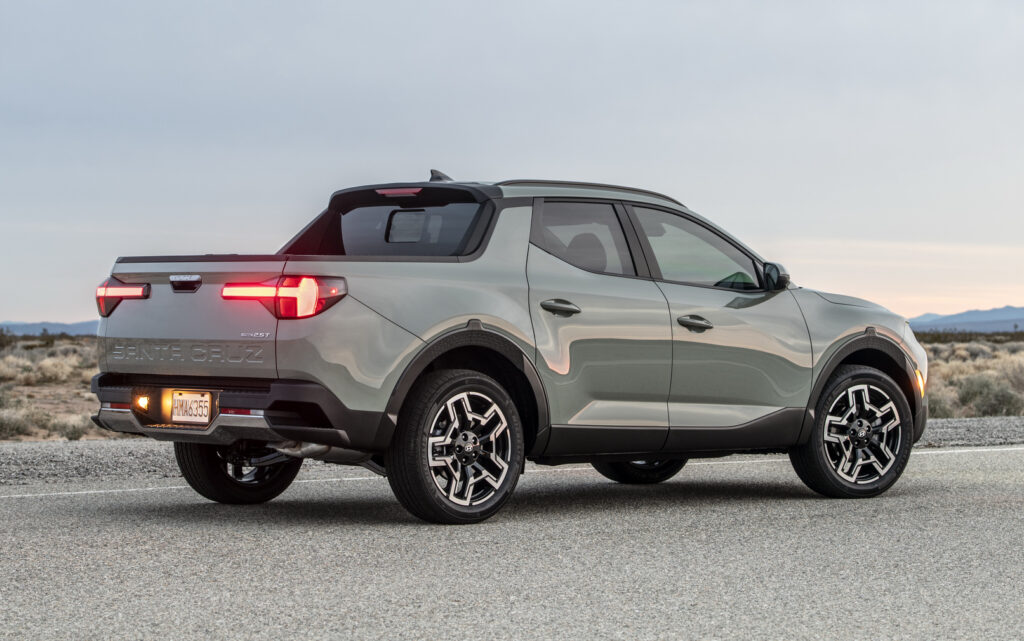
However, not everything was so good. Sonata sales fell by 34%, Santa Cruz by 32%, and Tucson decreased by 4%. Despite this, Hyundai’s overall sales grew by 2%, with SUVs making up the bulk, giving the brand a solid safety cushion.
Observations will continue to see if Hyundai can maintain positive momentum throughout 2026 and what actions it will take to correct the catastrophic performance of the Ioniq 6.
Hyundai US Sales for January
The table below illustrates sales dynamics by model:
Model: Elantra | Jan ’26: 9,091 | Jan ’25: 8,866 | Difference: +3%
Model: Ioniq 5 | Jan ’26: 2,126 | Jan ’25: 2,250 | Difference: -6%
Model: Ioniq 6 | Jan ’26: 344 | Jan ’25: 871 | Difference: -61%
Model: Ioniq 9 | Jan ’26: 580 | Jan ’25: 0 | Difference: –
Model: Kona | Jan ’26: 5,321 | Jan ’25: 4,365 | Difference: +22%
Model: Palisade | Jan ’26: 8,604 | Jan ’25: 6,687 | Difference: +29%
Model: Santa Cruz | Jan ’26: 1,212 | Jan ’25: 1,786 | Difference: -32%
Model: Santa Fe | Jan ’26: 9,011 | Jan ’25: 8,296 | Difference: +9%
Model: Sonata | Jan ’26: 3,140 | Jan ’25: 4,757 | Difference: -34%
Model: Tucson | Jan ’26: 14,428 | Jan ’25: 15,025 | Difference: -4%
Model: Venue | Jan ’26: 1,767 | Jan ’25: 1,600 | Difference: +10%
Model: TOTAL | Jan ’26: 55,624 | Jan ’25: 54,503 | Difference: +2%
This data clearly shows that market trends in the US continue to shift in favor of tall and versatile body styles. The success of hybrids, which combine electrification with familiar refueling, indicates that many buyers still consider the transition to fully electric cars, especially sedans, too radical a step. The future of the Ioniq 6 will likely depend on marketing strategies, possible updates, or even adapting its technologies to a more popular body format to meet the demand shaped by the market.