 by
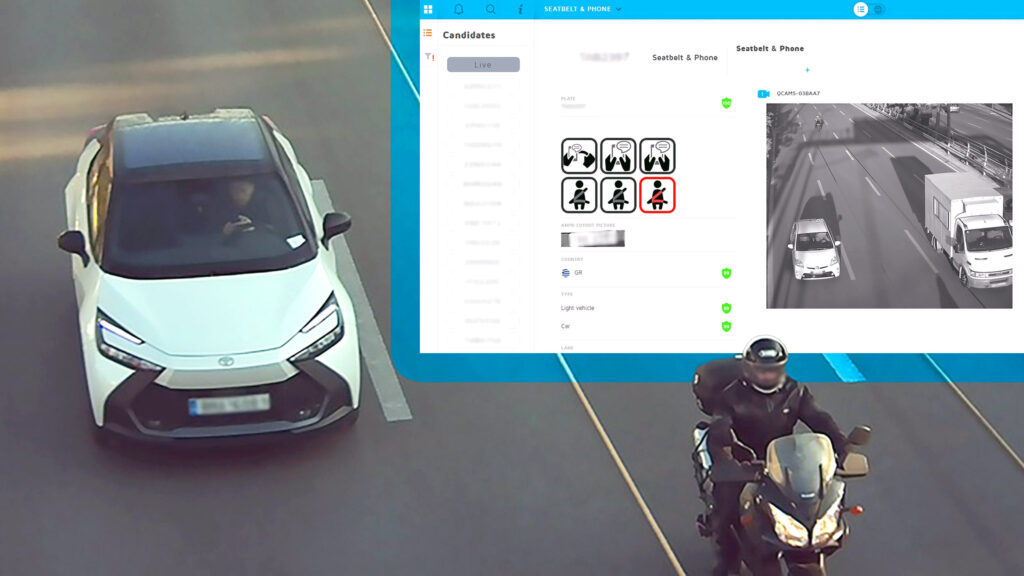
by Artificial intelligence is penetrating all spheres of life, and now it is even taking on traffic regulation functions. The Greek authorities have introduced a new, convenient, and cost-effective method of detecting violations using AI-based cameras.
First Results of the Pilot Project
During the test launch at eight locations in Athens, nearly 2500 serious violations were recorded in just four days. These figures clearly demonstrate that many drivers do not follow the rules. On the other hand, if every minor mistake is recorded, even the most conscientious drivers, including police officers, can appear as violators.
What Are Smart Cameras Capable Of?
In addition to recording speeding and running red lights, AI cameras are programmed to detect a whole range of other offenses. These include not wearing a seatbelt, using a phone while driving, and improper use of emergency vehicle lanes.
When the system detects a violation, the camera records a timestamped video and a freeze-frame, which are encrypted to ensure the integrity of the evidence.
Fines are not handed out by police officers on the spot. Instead, violators receive digital notifications via SMS, email, or a government portal where they can pay the fine directly. There is an appeal procedure, but video evidence usually leaves little room for dispute.
One Camera — One Thousand Violations

According to the authorities, just one AI camera on Syngrou Avenue, the main highway connecting Athens to the port of Piraeus, recorded over 1000 violations in four days. This location alone accounted for almost half of all offenses detected during the pilot period.
Other points also showed significant results. At the busy intersection of Mesogeion and Chalandriou Avenues in Agia Paraskevi, 480 drivers ran a red light. Another 285 were caught doing the same at the intersection of Vouliagmenis Avenue and Tinou Street in Kallithea. The problem is clearly not isolated.
Those not wearing a seatbelt or using a mobile phone while driving face a fine of 350 euros, while speeding can cost Greek drivers from 150 to 750 euros depending on the circumstances.
With such a fine scale, it is estimated that just one AI camera could generate up to 750,000 euros in fines in just three days. Whether this is a sign of deterrence or dysfunction is a matter of interpretation, but the potential for budget replenishment is real.
From Pilot Project to National System

Currently, only eight locations with AI cameras are active, all managed by the Ministry of Digital Governance. But this will change soon. Plans are to expand the network to 2000 stationary cameras across the country, plus add 500 mobile units. The latter will be installed on public buses and used to monitor unauthorized use of dedicated bus lanes.
Officials hope the expanded system will reduce the number of road accidents and fatalities, ease the burden on police resources, and provide a steady flow of funds to the state treasury. Whether it changes driver behavior or not, the state seems ready to bet on automation.
Digital Governance Minister Dimitris Papastergiou stated that the government’s intent is not punishment but protection. “This is a political decision with a clear social goal: to reduce the number of road accidents and save human lives. We are not taking a punitive approach. We want citizens to know that the rules apply to everyone and are enforced in a fair and modern way.”
Greece is Not Alone in This Experiment
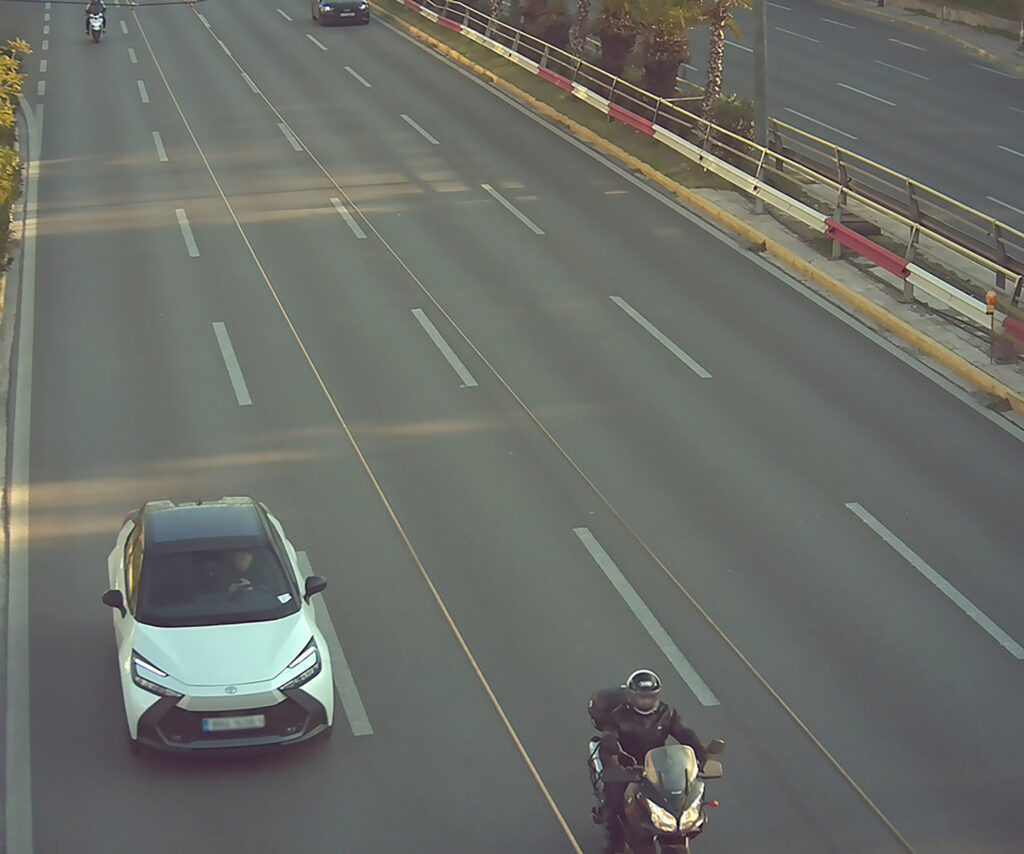
Greece is not alone in turning to technology for traffic control. Artificial intelligence cameras are already in use in countries such as the United Kingdom, Germany, France, Spain, Australia, India, China, Japan, Middle Eastern countries, and the USA. Many drivers in the future will have to move under close surveillance.
The implementation of such technologies inevitably sparks public debate about the balance between safety and privacy, as well as the true purpose of such systems—whether it is saving lives or replenishing the budget. The Greek experiment shows that the technical capability to record violations far outpaces driver habits and discipline. The success of such initiatives will depend not only on their technical perfection but also on public trust and transparency in the use of the collected data and funds. It is telling that systems similar to the Greek one are already operating in many countries around the world, indicating a global trend towards automating law enforcement in the field of traffic.