


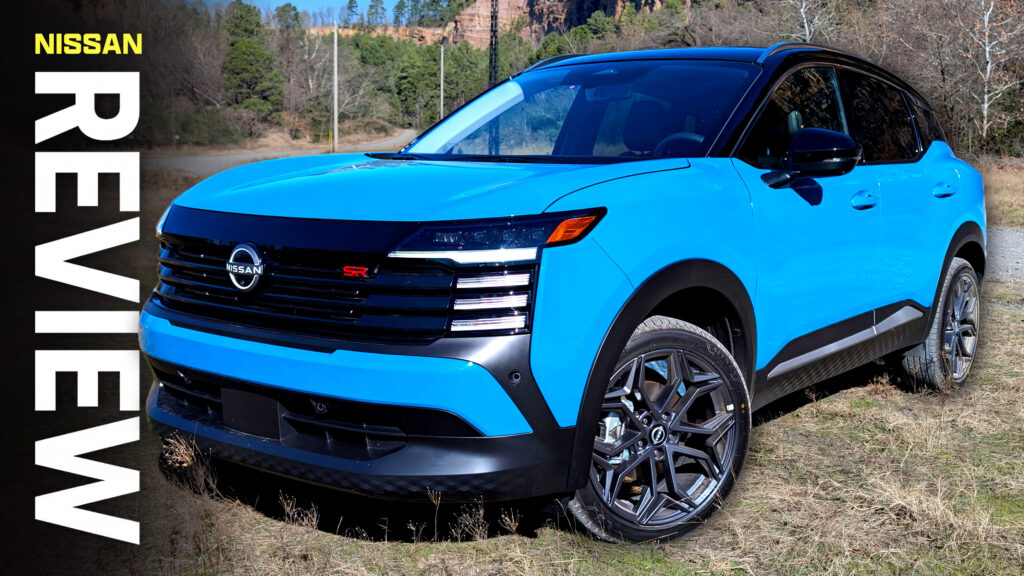
Advantages: Comfort, cabin organization, fuel economy.
Disadvantages: Engine power, high price in top trims, rear seat space.
Place in the Nissan Lineup
The Nissan Kicks may not grab all the headlines, but it plays a critically important role in the brand’s model lineup. In 2025, it ranked third in sales among Nissan vehicles, trailing only the Rogue crossover and the Sentra sedan. With a result of 103,575 units sold, it surpassed the Pathfinder, Ariya, Leaf, Versa, and Frontier. It is also one of the primary ways young buyers enter the Nissan family, which makes perfect sense.
After testing the subcompact crossover last year, we felt it somewhat perfectly suits novice drivers. It is comfortable, well-equipped, affordable, and filled with modern features and fresh design.
However, those conclusions were based on limited time behind the wheel. This time, we had a whole week to live with it, using it like any regular daily car.
Quick Facts About the Model
Sometimes, such a difference in time can reveal problems. It can give an idea of minor flaws or, perhaps, disappointing fuel economy. In other cases, it can elevate the experience above initial impressions. Read on to find out which path the Nissan Kicks took.
Design
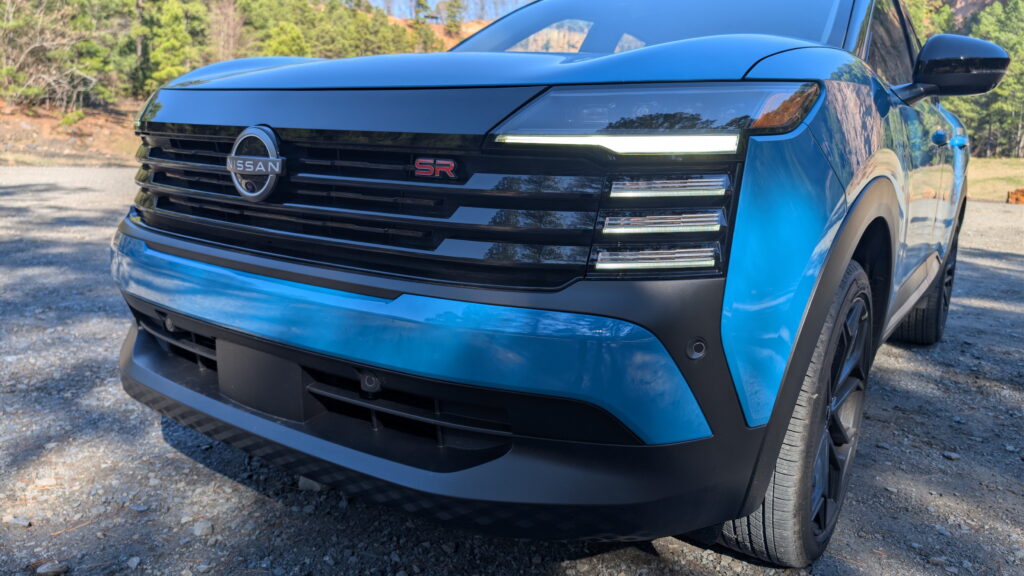
The big noticeable change in the Kicks compared to the old generation was not the engine, not the transmission, and not some crazy new self-driving technology. The brand focused on the styling of this crossover. It has grown significantly and received some design features meant to remind one of items like high-end footwear and football helmets.
More cubic proportions, a more upright stance, and sharper details give the Kicks a presence it simply didn’t have before. It fits comfortably alongside competitors like the Chevrolet Trax, Kia Seltos, and Buick Envista, without looking outdated or weaker. In fact, it looks quite muscular.
It’s not the most expressive car in the class, nor the most aggressive, but it avoids looking super-generic. This is potentially the right choice for a car aimed at first-time buyers, young families, and long-time Nissan fans who want something modern and interesting without being polarizing.
Adult Interior
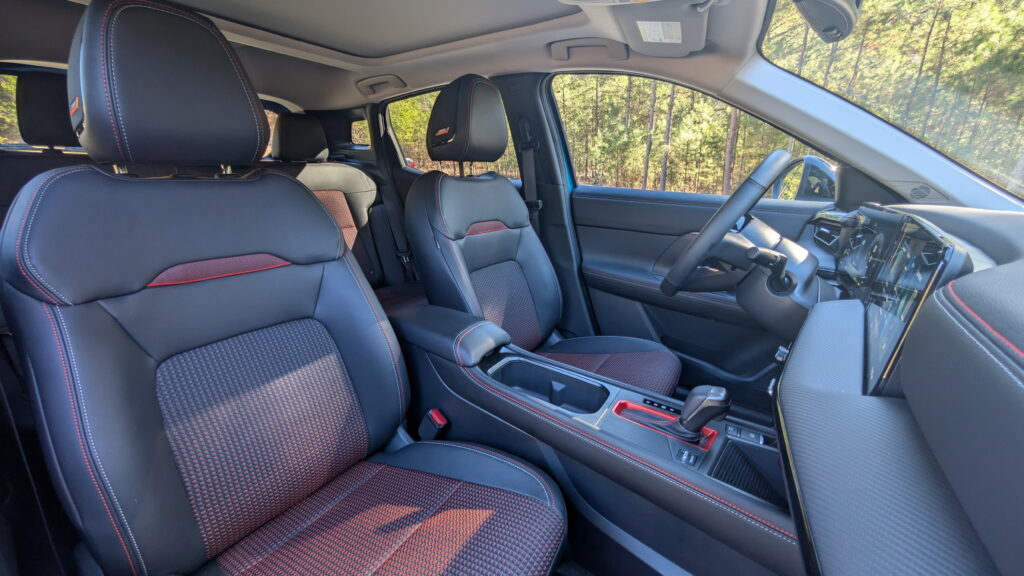

If there’s one area where the Kicks consistently exceeds expectations, it’s the cabin. At this price point, interiors can sometimes feel secondary, but Nissan clearly put real effort here. The materials aren’t luxurious, but they are durable, solid, and pleasant to the touch. This is true even for the base model, but especially good in this top SR trim.
It’s not Hyundai’s level, but it’s absolutely Kia’s level, meaning: it’s modern, thoughtfully designed, and good enough not to feel overpriced.
The seats are comfortable on long trips, the driving position suits a wide range of body types, and the cabin layout is intuitive enough that the learning curve is practically non-existent.
The multimedia system remains one of the best in the segment. The screens are large, bright, and responsive, with standard Apple CarPlay and Android Auto. Physical buttons for key functions like volume, track switching, and camera access are welcome, even if the touch climate controls remain annoying. They work, but still require more attention than they should.
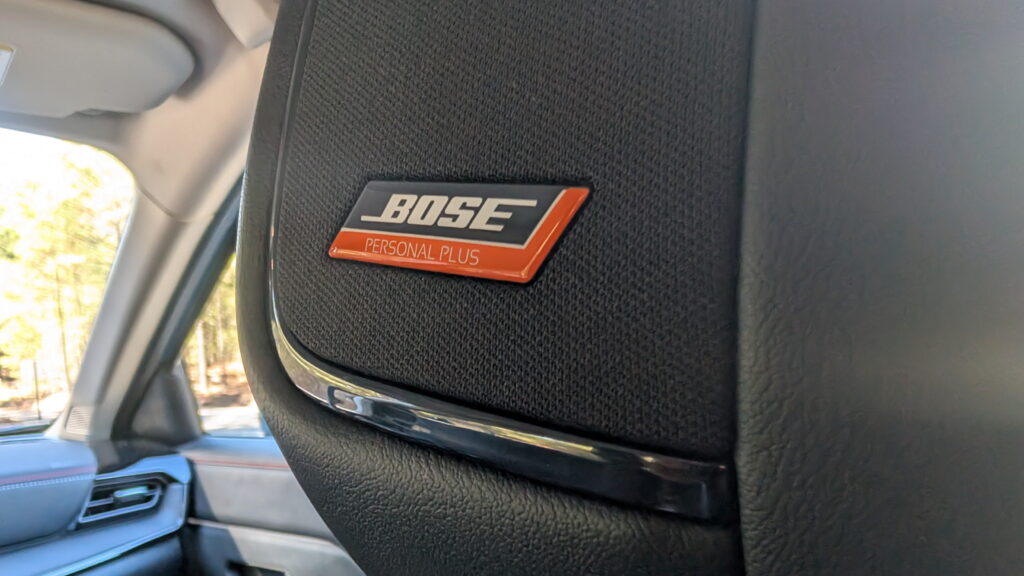
One of the standout features remains the available Bose audio system with speakers integrated into the front seat headrests. Over a week of commuting, errands, and highway trips, it continued to outperform almost every competing system we’ve tested recently. It’s not just loud; it’s clear, balanced, and truly pleasant to listen to.
Space is another advantage, at least up front. Taller drivers won’t struggle for comfort, and the cabin never feels cramped. Rear seat space is adequate, not generous, and taller adults will still feel constrained, but for children, teenagers, or shorter passengers, it’s perfectly suitable. The 30 cubic feet of cargo space remains a strong point, especially compared to rivals like the Mazda CX-30. That figure doubles when the rear seats are folded.
Driving Impressions
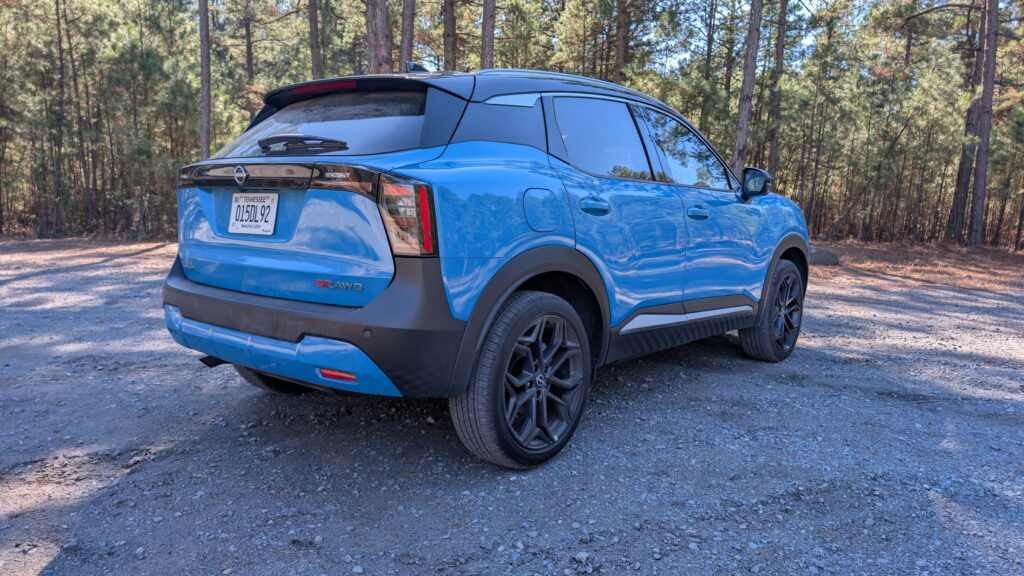
The Kicks doesn’t exist to be sporty, tackle mountains, or take corners as if on rails. The fact that it doesn’t pretend these are its goals makes it better than if it did. Over a week of driving, it proved to be calm, predictable, and pleasant. The steering is light but accurate, the brakes inspire confidence, and the CVT does a commendable job of staying in the background during normal driving.
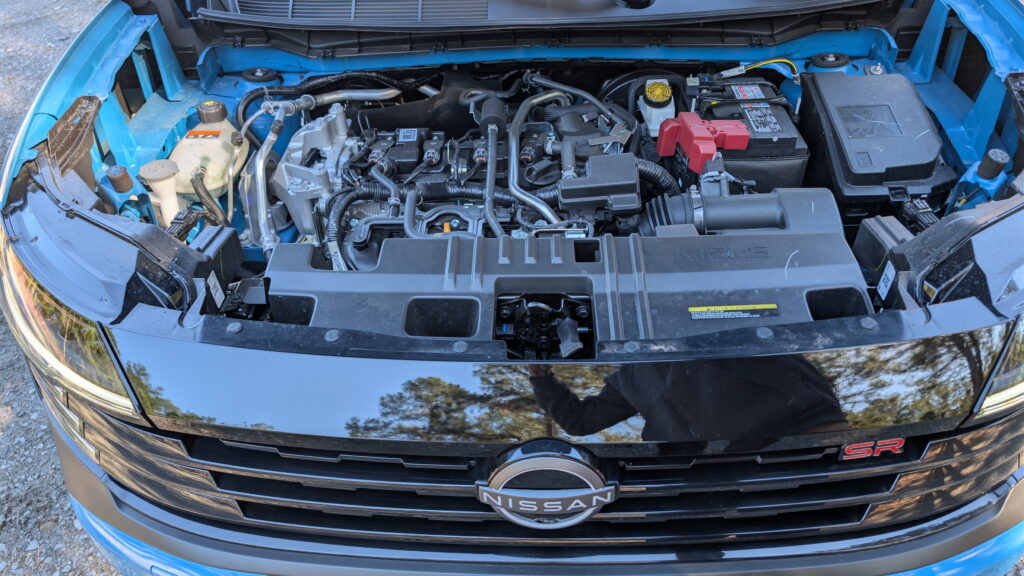
The 2.0-liter four-cylinder engine produces enough power for everyday use, but no more. Acceleration is adequate, not quick, and overtaking requires a bit of planning.
Ride quality is another strength. The Kicks absorbs potholes, rough pavement, and expansion joints better than one might expect, especially for a subcompact crossover. Over a week of mixed driving, it never felt unsettled or harsh, even on imperfect roads. Notably, only the all-wheel-drive version comes with the rear suspension we tested, so it’s quite possible the front-wheel-drive version is not as adept.
All-wheel drive, when equipped, adds an extra layer of confidence without compromising everyday usability. The “Snow Mode,” which maintains torque to the rear wheels at all speeds, isn’t just marketing fluff. It genuinely helps reduce understeer and improves stability on slippery roads or in fast corners. Don’t confuse it with a “Rally Mode,” but it’s nice to see Nissan include it when they could have skipped it, and almost no one would have complained.
Fuel Economy
Where Nissan couldn’t skimp was on attention to fuel efficiency. While we still eagerly await the brand actually challenging those offering hybrids across the lineup, the Kicks does well even without electrification. According to the EPA, this crossover should achieve 28 MPG city, 35 MPG highway, and 31 MPG combined.
That’s essentially what we saw, with an overall average of 30.4 MPG, despite many city miles and sometimes aggressive driving. Let’s be real. Crossover buyers care much less about handling dynamics than about practicality. In that light, the Kicks delivers figures that are truly competitive.
Competition
As good as the Kicks is in terms of comfort and fuel economy, it’s the competition that truly torments it. Overall, it’s an excellent small car. The problem it faces is that it resides in one of the most competitive segments ever in the automotive industry. Let’s take a quick look at the heavy hitters the Kicks is trying to fend off.
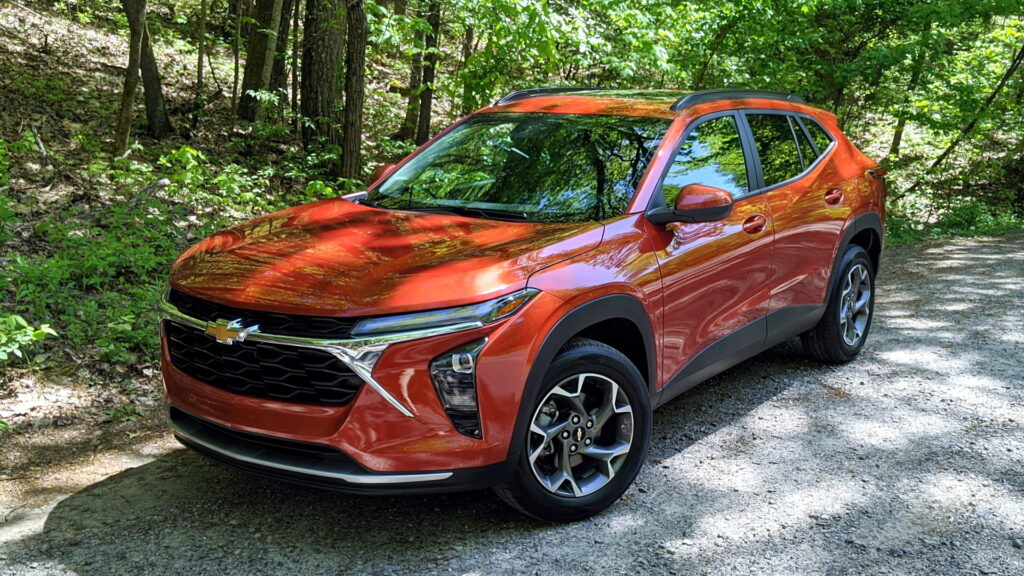
The Chevrolet Trax costs less and delivers an experience that is generally no worse. It lacks the availability of all-wheel drive, and it doesn’t have as much cargo or passenger space, but it’s still a great value and has a similarly quality interior.
The Buick Envista is a luxurious version of the Trax, so everything we mentioned about Chevrolet remains true, except the price. The interior is nicer, and the maximum price is lower than the Kicks. Again, it’s not available with all-wheel drive, and like the Trax, it’s not as powerful as the Nissan.
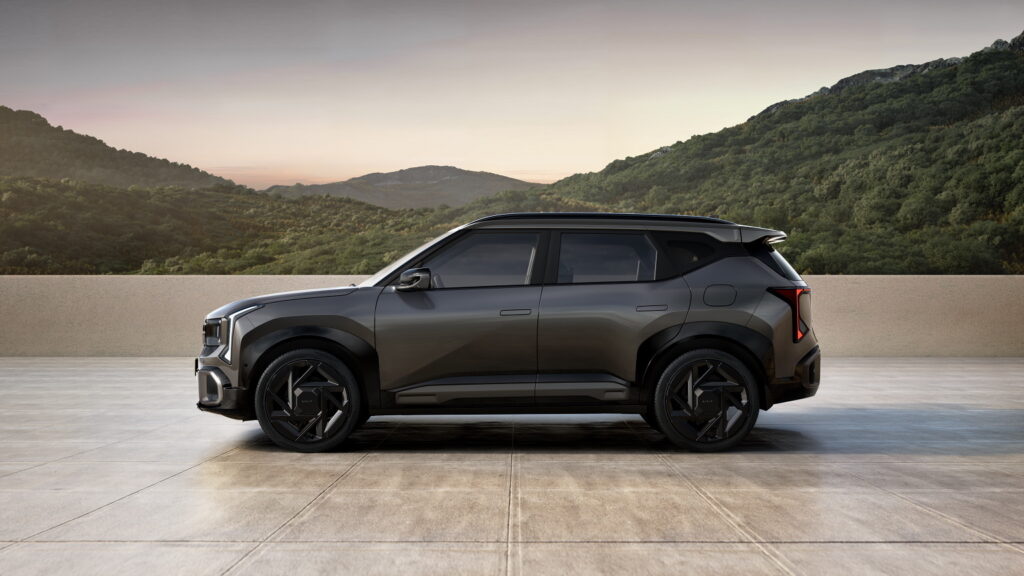
The Kia Seltos is also a worthy competitor. While it offers