 by
by Pros: Thrilling dynamics, stylish appearance, unexpectedly comfortable ride.
Cons: Lack of Jeep identity, weak brakes, cheap interior materials.
A New Electric Path for Jeep
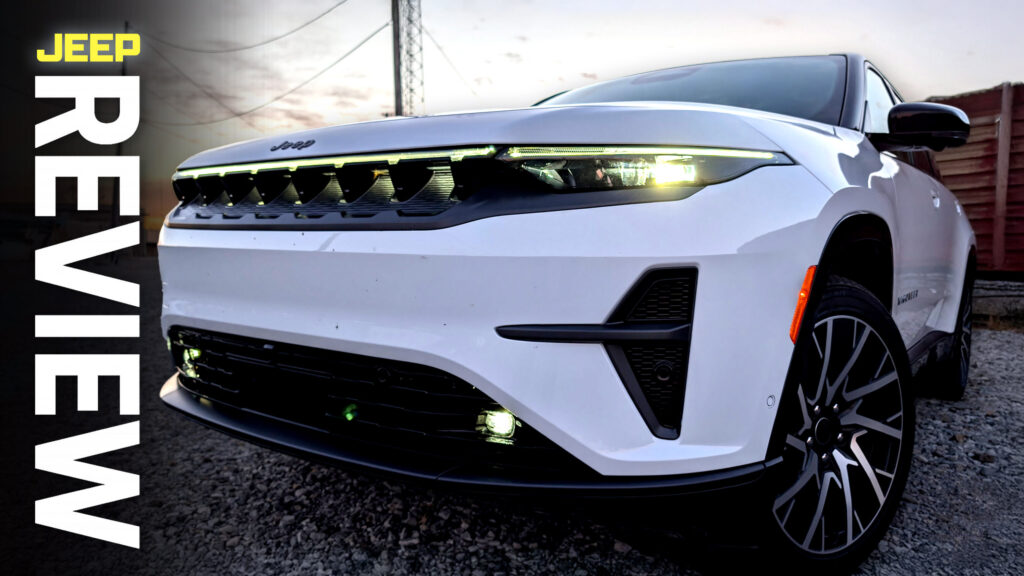
The Jeep Wagoneer S Limited symbolizes a pivotal moment for the brand. It is the first fully electric Jeep SUV for the US market, a completely new development designed to lead one of America’s most recognizable brands into a battery-powered future. On paper, it looks convincing: 500 horsepower, all-wheel drive, a claimed range of 294 miles, and a test price of $67,195.
Reviewers have recently questioned the build quality of this SUV, calling it cheap, poorly assembled, and overall a failure.
To test these claims, the Wagoneer S Limited was tested for a full week: on long trips, in urban environments, and at various public charging stations.
Quick Facts About the Model
An SUV or Not Really?
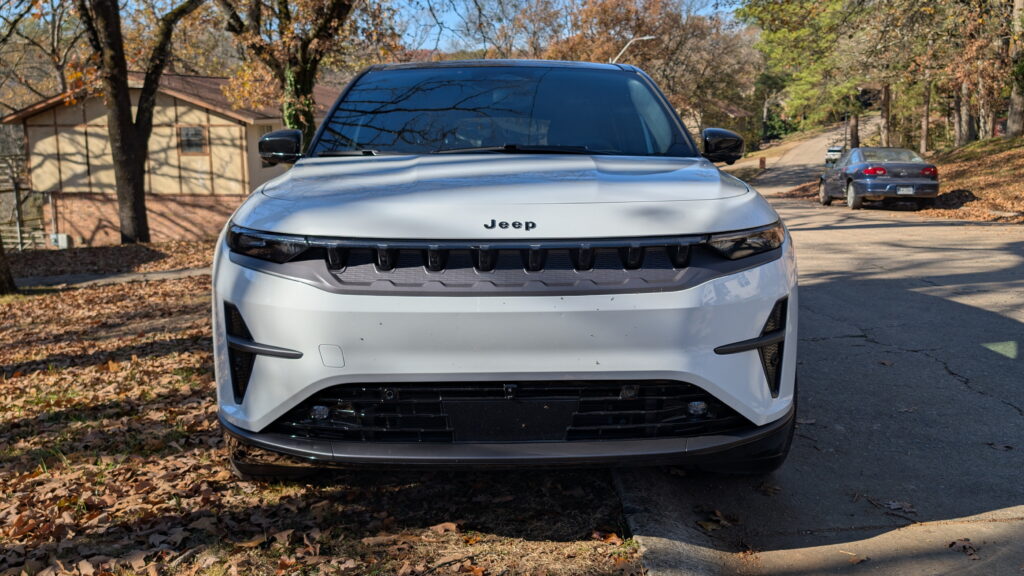
After a week behind the wheel, the main question arises: why is this a Jeep? Nothing about the Wagoneer S—neither its road manners, interior, nor style—is connected to the core DNA of the Jeep brand. There’s none of the ruggedness, sense of connection to nature, or even a desire to see a dirt road. Instead, it feels refined, quiet, fast, and somewhat detached. In other words, it feels like a Chrysler. And that’s not an insult, but perhaps the biggest missed opportunity for the Wagoneer S.
Technical Features and Exterior

The Wagoneer S is built on the Stellantis STLA Large platform and is a mid-size two-row SUV. Two electric motors provide all-wheel drive. In the Limited trim, power is 500 hp. There is a software update that unlocks additional performance, bringing it closer to the Launch Edition figures, but the test vehicle did not have it. Jeep claims a 0–60 mph time of 3.4 seconds for the more powerful versions, although in reality, performance heavily depends on the battery charge level.
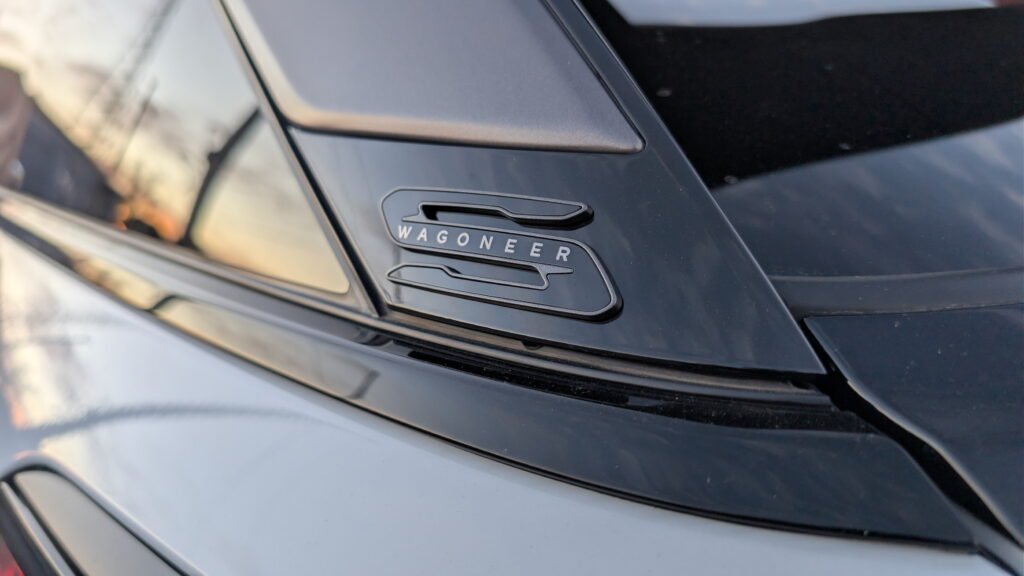
Externally, the Wagoneer S does not look rugged or tough. It simply doesn’t resemble a Jeep. Despite the Jeep-style grille, from most angles, it evokes associations with Chrysler: sleek, modern, and restrained. Even the large rear spoiler is a detail uncharacteristic of typical Jeeps.
Interior Quality

The front and rear seats are very comfortable, even if they look too plain for a nearly $70,000 vehicle. There is enough space, although a driver who is 198 cm tall might feel a bit cramped in the front. However, for such a price, the seats should offer more: ventilation should be standard, and additional adjustments or even massage would be appropriate.
The large panel of black plastic on the passenger side of the dashboard looks cheap, attracts dust, and shows fingerprints.
The climate control evokes mixed feelings. The seat and steering wheel heater buttons on the screen often respond with a delay or don’t react at all. Physical buttons would solve this problem. The digital instrument cluster, on the contrary, is excellent: bright, intuitive, and easy to read.
Regarding build quality, no serious issues were found: panel gaps are even, there are no rattles, and the cabin is well insulated from noise. However, material quality leaves much to be desired. Some elements, like the ventilation controls, feel pleasant, but overall, there is a lack of luxury or distinctiveness. Compared to competitors for the same money, such as from Hyundai, Jeep might lose out.
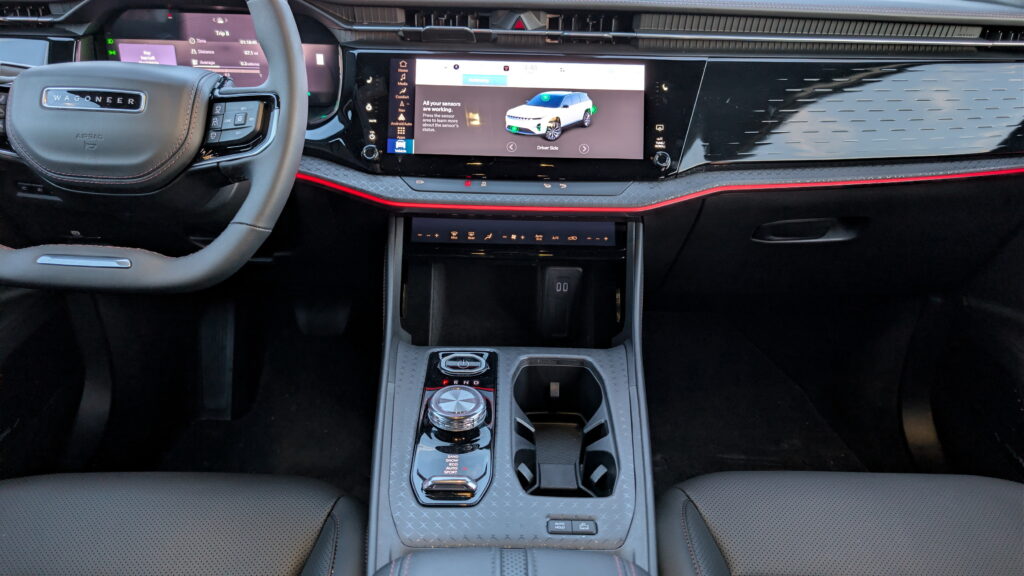
The interior is not bad, but not ambitious enough for the first electric Jeep in the US. It should have been a statement, but it looks like a cautious first sketch. There is sufficient storage space, including a useful front trunk.
Driving Impressions
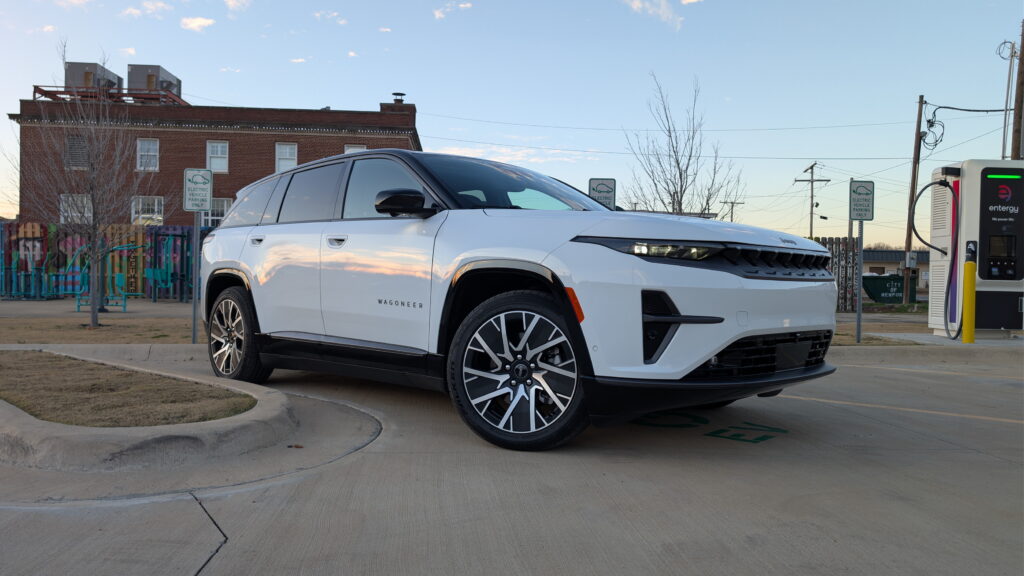
It’s behind the wheel that the Wagoneer S shines brightest, and simultaneously, its identity crisis becomes obvious. It doesn’t drive like a Jeep at all. Rather, it can be compared to a Grand Cherokee Trackhawk in terms of speed and composure on asphalt.
Even without the additional unlocked power, the Wagoneer S is truly fast. Acceleration is instantaneous, although performance drops as the battery charge decreases. At 19% charge, the 0–60 mph time was 4.85 seconds, slower than claimed but still quick. The handling is excellent: responsive, precise, and inspires confidence. The SUV changes direction with enthusiasm.
The brakes cause concern. This is a heavy vehicle, and the brakes simply don’t feel confident enough compared to competitors.
The suspension is even more puzzling. On smooth roads, the Wagoneer S is comfortable and stable. But on potholes or broken pavement, the ride becomes sharp and harsh, with jolts felt in the cabin. This harshness seems excessive for a vehicle not intended for off-roading.
Market Competitors
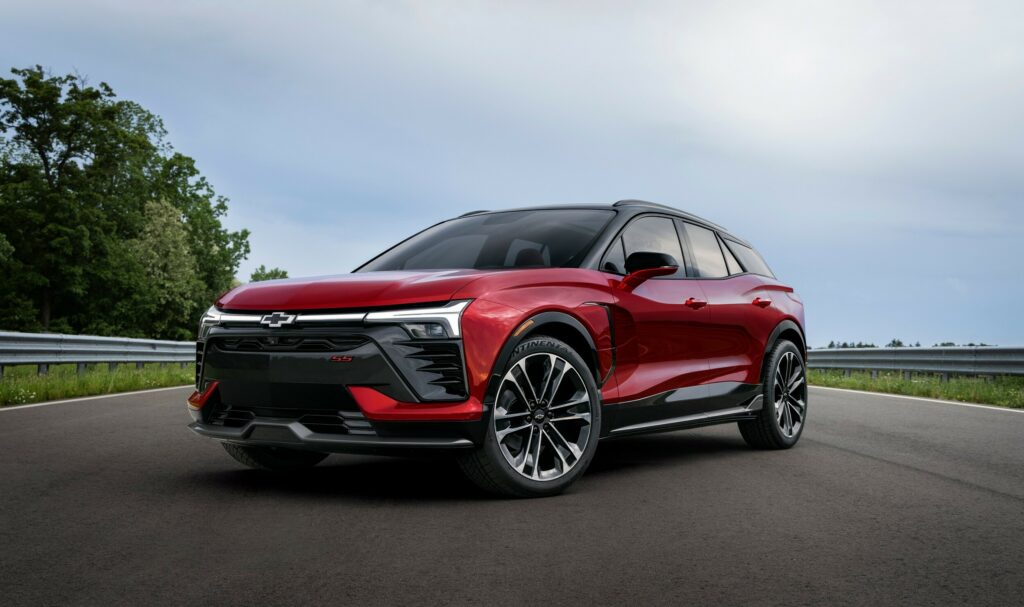
The Wagoneer S faces stiff competition. Starting at $65,200, it competes with the Tesla Model Y Performance, Chevrolet Blazer EV SS, and Ford Mustang Mach-E GT. All offer similar or better performance, interior, and range for the same money or less.
Furthermore, there are many other options: the fast Hyundai Ioniq 5 N, the comfortable Cadillac Lyriq, or even the Porsche Macan EV for around $80,000. This is where the Wagoneer S could have won by emphasizing what Jeep does best—off-road capability—but it doesn’t.
Summary and Impressions
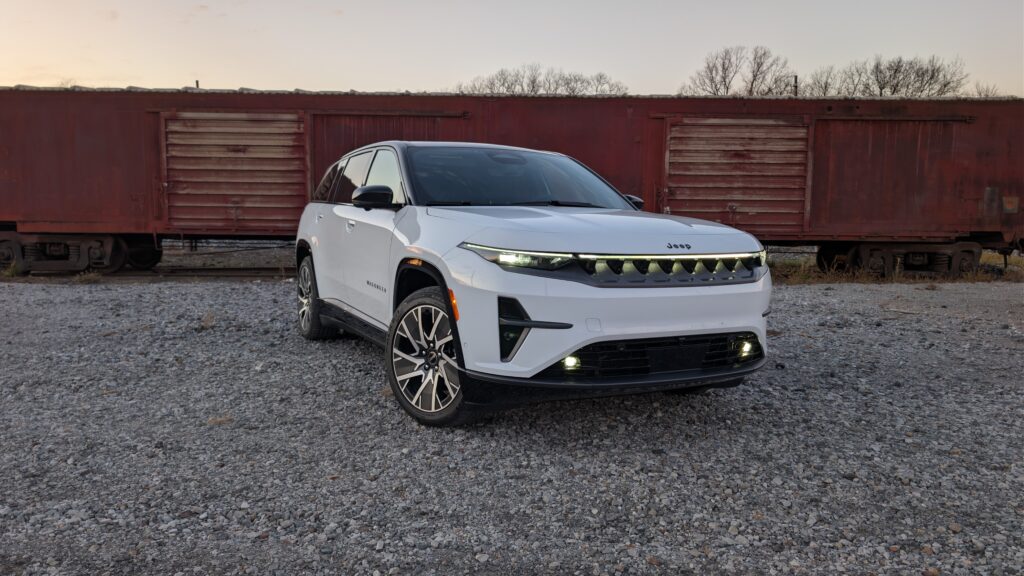
The Jeep Wagoneer S Limited is an attractive, fast, generally comfortable, and truly engaging SUV to drive. But it doesn’t feel like a Jeep, and that’s its main problem. It could have been a modern flagship for Chrysler—a stylish, fast, and refined car aimed at a specific audience.
Instead, the Wagoneer S risks getting lost in Jeep’s broad lineup and ethos. It’s good, it’s the only Jeep for those who love driving on asphalt, but it still feels like it has the wrong badge.
Jeep’s entry into the electric SUV market with the Wagoneer S is a bold step, but it is accompanied by a difficult choice between the brand’s heritage and the demands of the modern market. The model demonstrates that the company can create competitive, dynamic electric vehicles, but at the same time, it finds itself in a complex situation where the product does not meet the expectations associated with its name. Success in the crowded electric crossover market will require either clearer positioning or bolder technical solutions that remind us of the brand’s legendary off-road capabilities. The future will show whether Jeep can find this balance in subsequent iterations.